Air Compressor Tank Lifespan: How Long Do They Last
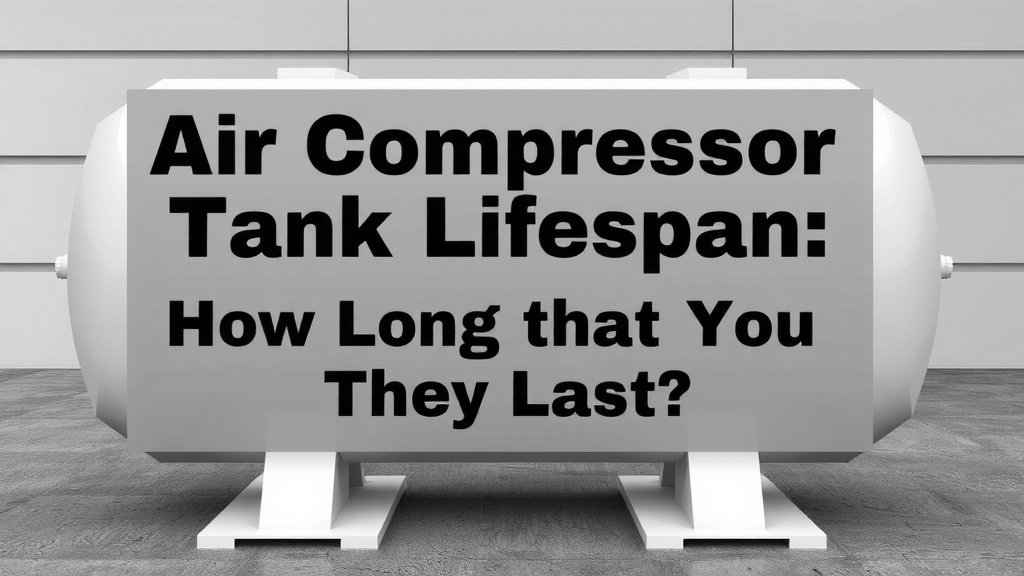
An air compressor tank can last anywhere from 5 to 15 years or even longer. Its lifespan depends heavily on factors like its material, maintenance, and how often you use it. Proper care is the key to getting the most out of your trusty tank.
Think of your air compressor tank as the lungs of your operation. You want them to be healthy and strong! While some tanks are built tough, things like rust and constant pressure can take their toll over time. We’ve found that understanding its care needs can really extend its service life.
- Lifespan: 5-15+ years is typical.
- Key Factors: Material, maintenance, and usage matter most.
- Maintenance is Key: Regular draining prevents rust.
- Signs of Wear: Look for rust and leaks.
Ready to learn what makes your air compressor tank tick and how to keep it going strong for years to come? Let’s dive into the details.
Understanding Your Air Compressor Tank’s Lifespan
So, you’re wondering how long your air compressor tank is built to last? It’s a fair question! Many folks find their tanks serve them well for a solid 5 to 15 years. Some can even go longer with great care. But like anything mechanical, a few key things can really influence its service life.
The Role of Material in Tank Longevity
The stuff your tank is made of plays a huge role. Most modern tanks are made from durable steel. This material is strong and can handle high pressure. However, steel can be prone to rust, especially in humid environments or if not properly drained.
Some older or specialized compressors might use aluminum tanks. Aluminum is lighter and naturally resists rust. This can lead to a longer lifespan, but aluminum tanks might not be as common for heavy-duty applications. We found that the type of material directly impacts how well your tank fights off wear and tear.
How Usage Affects Your Air Compressor Tank
Think about how often you use your air compressor. Is it for a quick, occasional fix around the house, or is it running all day, every day in a busy workshop? Your frequency of use is a major factor.
Compressors used constantly will naturally put more stress on the tank. That means more cycles of filling, pressurizing, and draining. If your tank is always being pushed to its limits, you might see signs of wear sooner. On the flip side, a tank used only a few times a year will likely last much longer.
The Impact of Maintenance on Tank Life
This is where you, the owner, can really make a difference! Regular maintenance is the absolute best way to extend your air compressor tank’s life. The number one enemy of most tanks is water.
When air is compressed, it heats up. As it cools inside the tank, moisture condenses. If this water isn’t drained out regularly, it sits at the bottom of the tank. This is a direct invitation for rust to form.
Draining Your Tank: The Most Critical Step
We can’t stress this enough: drain your tank regularly. Most compressors have a drain valve at the very bottom. After each use, or at least once a week if you use it often, open this valve to let out any accumulated water and air.
Doing this prevents that nasty rust from taking hold. Rust weakens the tank walls over time. It can lead to leaks and, in the worst cases, tank failure. Many experts say this simple step is the single most important thing you can do for your tank (U.S. Department of Labor).
Checking for Leaks and Wear
Part of good maintenance is keeping an eye out for trouble. Listen for any hissing sounds, which could indicate a slow leak. Visually inspect the tank for any signs of rust, dents, or damage, especially around welds and seams. Early detection of leaks can save you from bigger problems down the road.
Common Issues That Shorten Tank Life
Even with good care, some problems can creep up. One of the most common is internal corrosion. As we discussed, water left in the tank is the culprit. Over years, this can eat away at the steel, creating weak spots.
Another issue can be external damage. If your compressor gets bumped or dropped, it could cause a dent. A significant dent, especially on a pressurized tank, can compromise its structural integrity. Always try to place your compressor in a safe spot where it’s less likely to get knocked around.
When to Consider Replacing Your Air Compressor Tank
Knowing when it’s time to say goodbye to your tank is important for safety. If you notice significant rust, especially bubbling paint or visible pitting on the inside or outside, it’s a red flag. Leaks that you can’t repair are also a clear sign it’s time for a replacement.
Sometimes, even if there are no visible issues, a tank might be approaching the end of its expected lifespan. If your compressor is 10-15 years old or more, and you’re unsure about its internal condition, it might be wise to consider a replacement, especially if you rely on it heavily for work.
Quick Checklist for Tank Health
Here’s a quick rundown to keep your tank in top shape:
- Drain regularly: Open the drain valve after every use.
- Inspect visually: Look for rust, dents, or leaks.
- Listen carefully: Notice any unusual hissing sounds.
- Check air quality: Ensure air coming out is dry and clean.
- Store properly: Keep in a dry, stable environment.
- Follow manufacturer guidelines: Consult your manual for specifics.
Conclusion
You’ve learned that your air compressor tank’s lifespan is largely in your hands. By understanding the impact of its material, how frequently you use it, and most importantly, how well you maintain it, you can significantly extend its service life. Regularly draining that condensation is the simplest yet most effective habit you can adopt. Keep an eye out for rust and leaks, and don’t hesitate to consider replacement if your tank shows serious signs of wear or is well past its expected age.
Your next step is simple: make draining your tank a habit after every use. This small action protects your investment and keeps your compressor running reliably.
Frequently Asked Questions
How often should I drain my air compressor tank?
You should aim to drain your air compressor tank after every use. If daily use isn’t possible, try to drain it at least once a week if you use it frequently. This habit is the most effective way to prevent internal rust.
Can I repair a rusty air compressor tank?
Minor surface rust might be addressed with careful cleaning and sealing, but significant rust or pitting usually means the tank’s structural integrity is compromised. For your safety, it’s generally best to replace a heavily rusted tank rather than attempting repairs.
Does storing the compressor in a humid place affect the tank?
Yes, high humidity can accelerate rust formation, even if you drain the tank regularly. It’s best to store your air compressor in a dry, climate-controlled environment whenever possible to further protect the tank.
What if I hear a hissing sound from my tank?
A hissing sound typically indicates a leak. You should immediately stop using the compressor and inspect the tank, valve, and fittings for the source of the leak. Small leaks might be fixable, but larger ones often necessitate tank replacement.
Are aluminum air compressor tanks better than steel ones for longevity?
Aluminum tanks naturally resist rust, which can lead to a longer lifespan in certain conditions. However, steel tanks are very common and durable for heavy-duty use, provided they are properly maintained and drained to prevent corrosion.