How Portable Air Compressors Work Explained
A portable air compressor works by using a motor to drive a pump, which draws in ambient air and compresses it into a storage tank. This pressurized air is then ready to power tools or inflate items. They are incredibly handy for DIY projects and on-the-go inflation needs, making them a popular choice for many.
Think of it like your lungs, but much more powerful and contained. The motor’s energy spins a mechanism that squeezes air, increasing its pressure. This stored energy in the tank is what gives you the power you need when you connect a tool, offering a convenient source of compressed air anywhere.
- Portable air compressors use a motor to compress air.
- This air is stored in a tank under pressure.
- The stored air then powers tools or inflates items.
- They are great for various tasks and convenience.
Let’s walk through exactly how this handy device makes air pressure happen, step by step.
Understanding Your Portable Air Compressor’s Inner Workings
So, you’ve got this handy portable air compressor, and you’re curious about what’s going on inside when you plug it in. It’s a pretty neat process! At its core, your compressor is designed to take regular air and pack it into a small space, dramatically increasing its pressure. This stored, high-pressure air is the magic that powers your tools.
Think of it like this: a bicycle pump has a cylinder and a piston. When you push down, you squeeze the air inside. A portable air compressor does something very similar, but it uses a motor to do all the hard work for you. This motor is the powerhouse that drives the whole operation, making air compression easy and efficient.
The Engine That Drives Compression: The Motor
Every portable air compressor starts with a motor. This motor is the heart of the machine. It’s typically an electric motor, either plugged into a wall outlet or powered by a generator or your car’s electrical system. Some larger, more rugged models might use a small gasoline engine. Regardless of the power source, its job is to generate the rotational force needed to compress air.
When you flip the switch, this motor spins. It’s this spinning action that sets the entire compression process in motion. Many portable compressors use universal motors, which are common in power tools. These are good because they can run on either AC or DC power, giving you flexibility.
The Air Squeezer: The Pump Mechanism
Connected to the motor is the pump. This is where the actual air compression happens. There are a few common types of pumps used in portable compressors, and they all work on the principle of reducing the volume of air to increase its pressure.
Piston Pumps: The Most Common Type
The most prevalent type of pump you’ll find in portable air compressors is the piston pump. This is very much like the piston in your car’s engine or a bicycle pump. It consists of one or more cylinders, and inside each cylinder is a piston. As the motor spins a crankshaft, it moves the piston up and down within the cylinder.
On the downstroke, the piston creates a vacuum. This draws outside air into the cylinder through an intake valve. Then, on the upstroke, the piston pushes the air upwards. This action closes the intake valve and forces the air out through an outlet valve. This process is repeated rapidly, compressing the air more and more with each cycle.
Single-Stage vs. Two-Stage Compression
Within piston pumps, you might encounter single-stage or two-stage designs. A single-stage pump compresses the air once. It draws air in, compresses it, and sends it to the tank. These are common in smaller, more basic compressors.
A two-stage pump is more powerful. It compresses the air once, cools it down a bit, and then compresses it a second time. This results in much higher pressures, making them suitable for more demanding tools like nail guns or impact wrenches that require more airflow and pressure. You’ll often find these in larger “pancake” or “hot dog” style portable units.
Rotary Screw Pumps: Less Common for Portables
While less common in the typical portable units you’d carry to a job site, some larger, professional-grade portable compressors might use rotary screw pumps. These use two intermeshing helical screws that rotate to trap and compress air. They offer continuous airflow and are known for their efficiency and quiet operation, but they are generally more complex and expensive.
Storing the Power: The Air Tank
Once the air is compressed by the pump, it needs somewhere to go. This is where the storage tank comes in. The tank is essentially a sealed, reinforced cylinder designed to hold a significant volume of air at high pressure. Think of it as a reservoir of compressed air ready for use.
The compressed air flows from the pump into the tank. As more air is pumped in, the pressure inside the tank increases. Most portable compressors have a pressure gauge so you can monitor this. The tank is crucial because it allows the compressor motor to cycle on and off. It doesn’t need to run constantly; it just needs to run long enough to build up enough pressure in the tank for your needs.
Safety First: The Relief Valve
Attached to the tank is a safety relief valve. This is a critical component. If, for any reason, the pressure inside the tank gets too high (e.g., if the pressure switch fails), this valve will automatically open. It releases excess air, preventing the tank from bursting. It’s a vital safety feature that many people don’t think about until they need it.
Controlling the Flow: Pressure Switches and Regulators
Your air compressor isn’t just a pump running all the time. It has systems in place to manage the pressure efficiently and safely.
The Pressure Switch: The Automatic Shut-Off
Every portable air compressor has a pressure switch. This device monitors the air pressure inside the tank. When the pressure reaches a pre-set maximum level (often around 100-150 PSI for many models), the pressure switch automatically shuts off the motor. This prevents over-pressurization and saves energy.
Conversely, when you use the compressed air, the pressure in the tank drops. Once the pressure falls below another pre-set minimum level, the pressure switch turns the motor back on. This cycle of on and off keeps the air pressure within a usable range without constant running.
The Regulator: Tailoring the Pressure for Your Tools
Not all air tools require the same air pressure. That’s where the regulator comes in. Located on the outside of the compressor, usually near the tank outlet and the air coupler, the regulator allows you to adjust the output pressure. You can dial it down to a lower, more specific pressure that’s ideal for your particular tool or task. For example, delicate painting might require lower pressure than running an impact wrench.
Delivering the Air: Couplers and Hoses
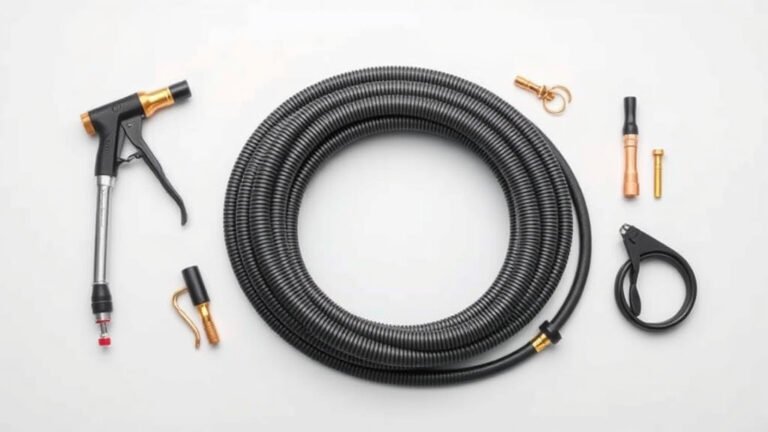
Finally, the compressed air needs a way to get from the tank to your tool. This is where air hoses and couplers come into play. You connect your air hose to the compressor’s outlet coupler. This coupler is designed to create a secure, airtight connection.
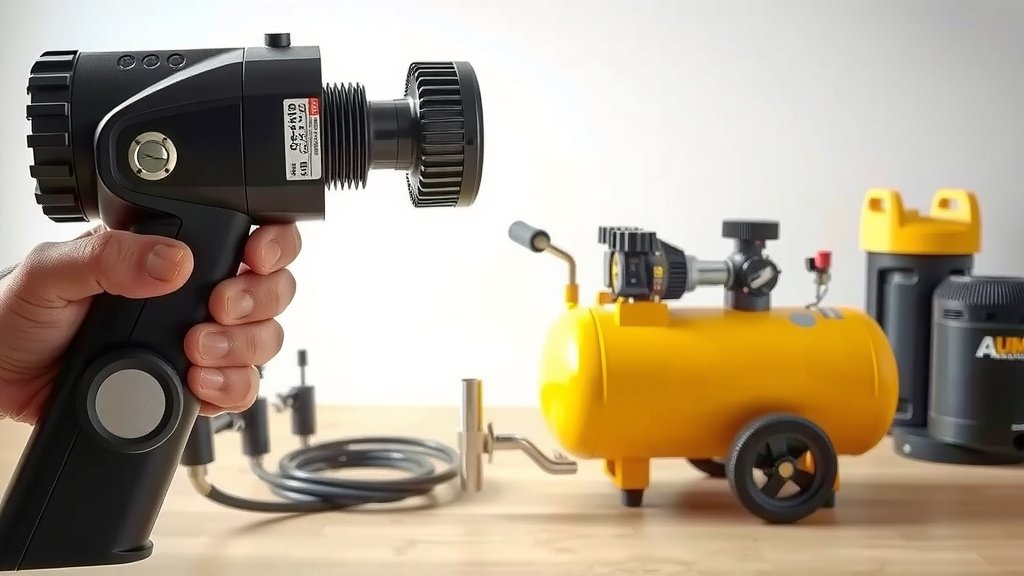
The air then travels through the hose to the coupler on your tool. When you connect your tool, it’s often as simple as pushing a lever or twisting a fitting. Once connected, opening the trigger on your tool allows the stored, pressurized air to flow from the tank, through the hose, and into the tool, giving it the power it needs to operate.
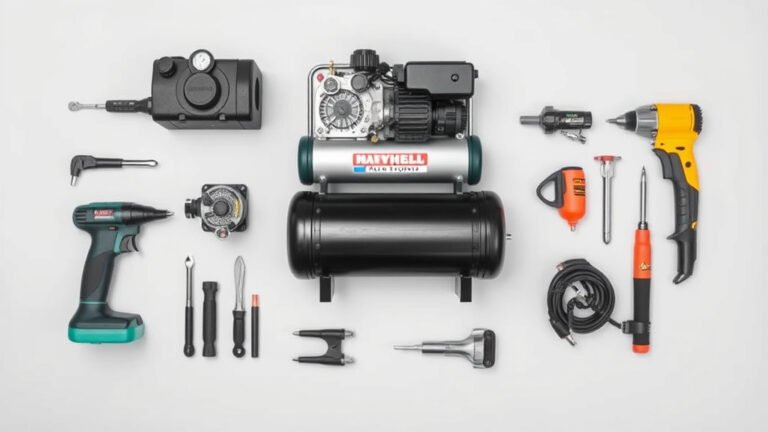
Here’s a quick checklist of the main components and their roles:- Motor: Provides the power to drive the pump.
- Pump: Compresses ambient air.
- Tank: Stores the compressed air.
- Pressure Switch: Controls when the motor turns on and off.
- Regulator: Allows you to adjust the output pressure.
- Relief Valve: Acts as a safety feature against over-pressurization.
Conclusion
You now understand how your portable air compressor transforms simple air into powerful work potential. It all starts with the motor driving the pump, which squeezes air into the tank. The pressure switch manages the motor’s on/off cycle, while the regulator fine-tunes the output. Don’t forget the safety of the relief valve!
This process ensures you have a reliable source of compressed air for your DIY projects and everyday needs. Ready to put this knowledge to use? Next time you need to inflate a tire or power a tool, you’ll appreciate the engineering working for you. Check your compressor’s manual for specific maintenance tips to keep it running smoothly.
Frequently Asked Questions
How does a portable air compressor know when to stop compressing air?
Your portable air compressor uses a pressure switch to monitor the air pressure inside the tank. When the pressure reaches a set maximum, the switch automatically turns off the motor. This prevents over-pressurization and saves energy.
What’s the difference between single-stage and two-stage compression in portable compressors?
Single-stage compression squeezes air just once before sending it to the tank, suitable for basic needs. Two-stage compression compresses the air twice, cooling it in between, which creates higher pressure for more demanding tools.
Why do I need a regulator on my air compressor?
A regulator allows you to adjust the air pressure coming out of the tank. Different tools require different pressure levels, and the regulator lets you set the exact pressure needed for your specific task, ensuring proper tool function and preventing damage.
Can a portable air compressor run on car power?
Some smaller portable compressors are designed to plug into your car’s 12-volt accessory outlet. These are usually lower power and best for light tasks like inflating tires. Always check the compressor’s specifications to ensure compatibility with your vehicle’s electrical system.
What is the purpose of the relief valve on an air compressor tank?
The relief valve is a vital safety feature. If the pressure inside the tank becomes dangerously high, this valve automatically opens to release the excess air. This prevents the tank from bursting and protects you from potential injury.