When to Replace Your Car’s Air Compressor
You might be wondering how long your car’s air compressor should last. Generally, a car air compressor has a lifespan of 5 to 10 years. However, this can vary based on several factors, including the type of compressor and how often you use it.
The health of your air compressor isn’t always a ticking clock. Things like regular maintenance and the quality of the unit play a big role. Many drivers find their compressors last much longer than expected with good care. Others experience issues sooner than they’d like, often due to heavy use or specific driving conditions.
- Car air compressors typically last 5 to 10 years.
- Usage frequency greatly impacts lifespan.
- Regular maintenance can extend life.
- Quality of the compressor matters.
- Watch for signs of wear and tear.
Let’s break down what affects your car’s air compressor and what to look out for, so you’re prepared when it’s time for a replacement.
Understanding Your Car’s Air Compressor Lifespan
So, how long can you expect your car’s air compressor to keep chugging along? For most vehicles, a good lifespan is typically in the 5 to 10-year range. This isn’t a hard and fast rule, though. Think of it more like a general guideline. Many factors can push that number up or down. We’ve found that understanding these influences helps drivers feel more prepared.
Factors Affecting Compressor Longevity
Several things can influence how long your air compressor will serve you well. It’s not just about age; it’s about how it’s treated and what it’s up against. Let’s look at the main players that affect its overall health and lifespan.
Usage Frequency: More Miles, More Work
How often you use your air conditioning system is a big one. If you live somewhere with scorching summers and use your AC daily, your compressor works much harder. On the flip side, if you live in a cooler climate and only use AC sparingly, your compressor won’t see as much action. We’ve found that consistent, heavy use naturally wears components down faster. Think of it like running shoes; the more you run, the sooner you’ll need a new pair.
Type of Compressor: Different Designs, Different Durability
There are a few main types of compressors found in cars today. Each has its own characteristics. The most common is the **variable displacement compressor**. These are designed to adjust their output based on cooling demand. This often leads to better fuel efficiency and a potentially longer life because they aren’t always running at full blast. The older **fixed displacement compressors** are simpler but less efficient and can sometimes wear out quicker due to their on-or-off operation. Research suggests that newer designs, while more complex, often offer better longevity if maintained properly.
Environmental Conditions: Heat and Humidity Take Their Toll
Where you drive matters. Extremely hot and humid climates put extra stress on your AC system, including the compressor. High temperatures can cause parts to expand and contract repeatedly, leading to wear. Humidity can also contribute to corrosion over time. We found that vehicles driven in severe weather conditions often require more frequent AC service. This is just one of those things that can shorten the lifespan of components.
Maintenance: The Key to a Longer Life
This is perhaps the most controllable factor. Regular maintenance is crucial for any car component, and the air compressor is no exception. This includes keeping the AC system clean and ensuring the refrigerant levels are correct. Dirty or clogged condenser fins can restrict airflow, making the compressor work harder. Low refrigerant can cause overheating. Many mechanics say that a well-maintained system can keep a compressor running for years beyond its average lifespan. Think of it like a regular tune-up for your car’s engine; it prevents small issues from becoming big, costly problems.
What Does AC Maintenance Involve?
When we talk about AC maintenance, it usually means a few key things. First, it’s about ensuring the system is clean. This involves cleaning the condenser coils, which are usually located in front of your car’s radiator. We also check for any leaks in the system and ensure the refrigerant is at the proper level. Sometimes, the cabin air filter needs replacing, which helps the overall airflow. Following the manufacturer’s recommended service schedule is a good habit to get into.
Driving Habits: Smooth Sailing vs. Stop-and-Go
Believe it or not, your driving style can even play a small role. Frequent stop-and-go traffic means your engine is constantly working harder, and so is your AC system. This is especially true in hot weather when you need the AC on. Long highway drives where the AC can maintain a steady state often put less stress on the compressor compared to city driving. So, while you can’t change your commute, it’s good to be aware of how different driving conditions affect your car.
Signs Your Air Compressor Might Need Replacing
Knowing when your air compressor is on its last leg is super helpful. It allows you to plan for repairs and avoid being caught without cool air on a sweltering day. Here are some common signs that indicate it might be time to start thinking about a replacement.
Performance Issues: When Cool Air Just Isn’t Cool Enough
The most obvious sign is that your air conditioning isn’t blowing cold air, or it’s not blowing as cold as it used to. If you notice the air is only slightly cool, or it blows warm air, your compressor might be struggling. This often happens when the compressor isn’t engaging properly or isn’t producing enough pressure. We’ve heard from many drivers that a significant drop in cooling performance is a clear indicator.
Unusual Noises: Listen for the Warning Signs
Your car’s AC system should run relatively quietly. If you start hearing strange noises when you turn on the AC, it’s a red flag. These noises can include grinding, squealing, rattling, or clicking sounds. A grinding noise, for example, might mean the compressor’s internal parts are failing. Squealing could indicate a problem with the clutch or belt. Research indicates that listening for changes in normal operating sounds is a primary way to catch issues early.
Leaking Refrigerant: A Sign of Trouble
If you notice oily residue around the AC components, especially the compressor itself, it could mean there’s a refrigerant leak. Refrigerant is essential for the cooling process, and if it’s leaking out, your compressor is working overtime trying to compensate. Leaks often indicate seal or hose problems that can lead to compressor failure. Some sources suggest that even a small leak should be addressed promptly.
Visible Damage or Corrosion: What to Look For
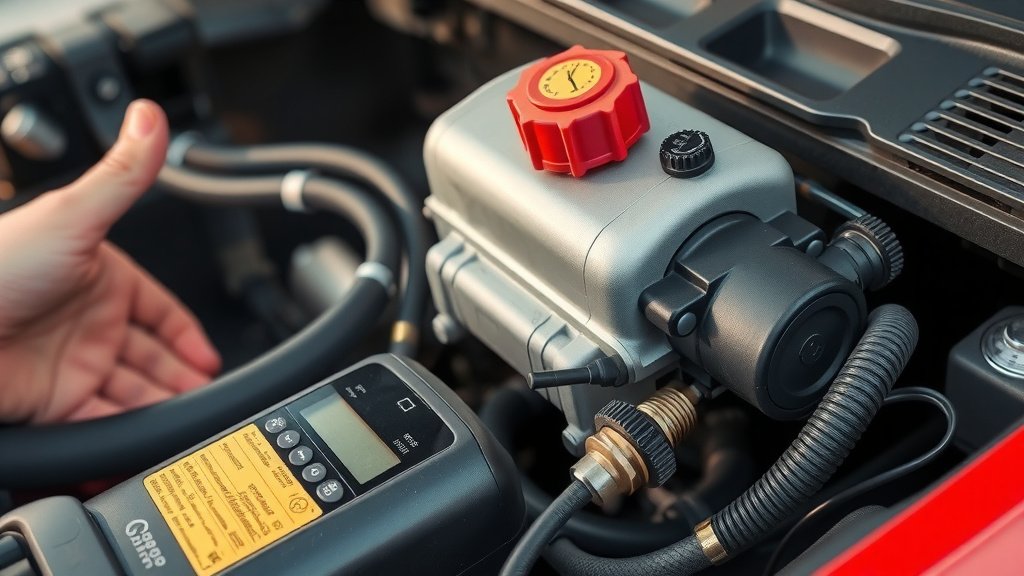
While not always visible without getting under the car, sometimes you can spot external signs of wear. Look for any obvious damage to the compressor body or pulley. Excessive rust or corrosion can also weaken the unit over time. If you’re comfortable looking under the hood (with the engine off and cool, of course!), a quick visual inspection can sometimes reveal potential issues. We found that most drivers aren’t looking for this, but it can be a helpful clue.
Making the Decision to Replace
Deciding when to replace your air compressor involves weighing a few factors. It’s not just about the age of the unit, but also the cost of repair versus replacement, and your budget. Sometimes, a minor repair might be possible, like replacing a faulty clutch. However, if the compressor itself is failing internally, replacement is usually the only viable option. We found that many drivers prefer replacement for peace of mind, especially if the vehicle is older.
Here’s a quick checklist to help you assess your situation:
- Is your AC blowing warm air?
- Are there new, unusual noises when the AC is on?
- Have you noticed any oily residue around AC parts?
- Is the cooling performance significantly worse than before?
- How old is your current compressor?
- When was the AC system last serviced?
Conclusion
So, you’ve learned that your car’s air compressor typically lasts between 5 and 10 years, but this number is quite flexible. Factors like how often you use your AC, the type of compressor you have, and even where you live all play a part. Regular maintenance is your best bet for extending its life and avoiding costly repairs down the road. If you’re noticing your AC isn’t as cool or you’re hearing strange noises, it might be time to get it checked. Plan ahead for potential replacements to keep your cool on those hot drives.
Frequently Asked Questions
Can I drive my car if the air compressor is failing?
Yes, you can generally still drive your car if the air compressor is failing or has failed. The AC compressor is a component of your vehicle’s air conditioning system, not its primary engine functions. You might notice a lack of cold air, but your car should still run and drive normally otherwise.
Is it expensive to replace a car air compressor?
Replacing a car air compressor can be moderately expensive. The cost includes the price of the compressor itself, which can vary by make and model, as well as labor for installation. We’ve found that it’s often a few hundred to over a thousand dollars, depending on your vehicle and location.
What’s the difference between a fixed and variable displacement compressor?
A fixed displacement compressor always pumps the same amount of refrigerant when it’s running. A variable displacement compressor adjusts how much refrigerant it pumps based on your cooling needs, making it more energy-efficient. Research suggests variable types often last longer due to less constant high-load operation.
How often should I have my car’s AC system serviced?
Most mechanics recommend having your car’s AC system serviced every 1 to 2 years, or as recommended by your vehicle’s manufacturer. This service typically includes checking refrigerant levels, inspecting for leaks, and cleaning components, all of which help maintain the compressor’s health.
Will my car’s AC work if the compressor is completely broken?
No, if your air compressor is completely broken, your car’s air conditioning system will not work at all. The compressor is the heart of the AC system; without it, the refrigerant cannot circulate, and no cooling will occur. You will likely only get warm air blowing from your vents.