Impact Wrench Air Compressor: How Many Gallons Do You Need
For most impact wrenches, you’ll want an air compressor that delivers at least 5 CFM (Cubic Feet per Minute) at 90 PSI. Anything less might leave your wrench feeling a little sluggish. A bigger tank size is also your friend for continuous work. You’re looking for a compressor that can keep up with your tool’s demands.
Choosing the right air compressor ensures your impact wrench performs at its peak power. This isn’t just about making noise; it’s about getting the job done efficiently. Many DIYers and pros find that undersized compressors lead to frustration and slower work. It’s a common pitfall, but an easily avoided one.
- 5 CFM at 90 PSI is a good starting point for most impact wrenches.
- Larger tank sizes mean longer run times without the compressor constantly cycling.
- Match your compressor’s output to your wrench’s air consumption needs.
- Avoid compressors that are too small, as they won’t keep up.
Let’s dive into the specifics and figure out the best gallon air compressor size for your impact wrench.
Choosing the Right Gallon Size for Your Impact Wrench Compressor
When you’re looking to power an impact wrench, the gallon size of your air compressor is a major factor. It’s not just about having a tank; it’s about having enough air stored to keep your tool running strong. Think of the tank like a battery for air. The bigger it is, the longer you can use your impact wrench without the motor kicking on.
Understanding Air Compressor Specifications: CFM and PSI
Before we talk gallons, let’s quickly cover the two most important numbers for any air compressor: CFM and PSI. You’ll see these on every compressor. They tell you how much air the compressor can deliver and at what pressure.
What is CFM?
CFM stands for Cubic Feet per Minute. This is the volume of air your compressor can put out. For impact wrenches, this is often more critical than tank size alone. You need enough air volume to make the wrench spin with power. We found that most impact wrenches require at least 5 CFM at 90 PSI to work effectively.
What is PSI?
PSI stands for Pounds per Square Inch. This measures the pressure of the air. Your impact wrench needs a certain PSI to deliver its full torque. Most common impact wrenches operate at 90 PSI. Your compressor needs to be able to supply this pressure consistently.
How Gallon Size Affects Impact Wrench Performance
So, where do the gallons come in? The gallon size of the tank determines how much compressed air you have on hand. A larger tank means you can run your impact wrench for longer periods before the compressor has to “recharge” the tank. This is super important for tasks that take time.
Smaller Tanks: The Slowdown Factor
If you have a smaller compressor, say a 6-gallon model, and you’re using it for a demanding task like removing multiple lug nuts on a car, you’ll likely experience a slowdown. The compressor will have to cycle on and off frequently. This means less continuous power for your wrench. You might find yourself waiting for air more than working.
Larger Tanks: The Steady Powerhouse
On the flip side, a bigger tank, like a 20-gallon or 30-gallon unit, acts as an air reservoir. It can supply your impact wrench with a steady stream of air for a good amount of time. This allows for more consistent torque and faster work. You’ll feel the difference in productivity.
Matching Gallons to Your Impact Wrench Needs
The “ideal” gallon size depends heavily on how you plan to use your impact wrench and the specific wrench itself. Let’s break it down.
For Light-Duty Home Use
If you’re mostly doing light DIY tasks, like changing a flat tire or small assembly projects, a 10 to 20-gallon compressor might be perfectly adequate. You won’t be running the wrench for extended periods. The compressor will have enough time to catch up between short bursts of use.
For Moderate Garage Use
For the average home mechanic who tackles more involved work, such as suspension jobs or working on brakes, a 20 to 30-gallon compressor is a solid choice. This size offers a good balance. It provides enough air reserve for most common automotive tasks without being overly massive.
For Heavy-Duty and Professional Use
If you’re a professional mechanic or a serious enthusiast who uses an impact wrench frequently for demanding jobs, like engine work or heavy equipment repair, you’ll want to aim for the larger end. Think 30 gallons or more. Some professionals even opt for stationary 60-80 gallon units for maximum air supply. This ensures consistent performance even under heavy, continuous use.
The Importance of CFM Over Gallons (Sometimes!)
While gallons matter for sustained use, you can’t forget CFM. A huge 100-gallon tank is useless if it only produces 2 CFM. Your impact wrench will still feel weak. Always ensure the compressor meets or exceeds your wrench’s CFM requirement at the necessary PSI.
We found research indicating that for most common 1/2-inch drive impact wrenches, a compressor should provide at least 5 CFM at 90 PSI. Some heavy-duty models might ask for even more. Always check the specs of your specific impact wrench!
What About Portable Compressors?
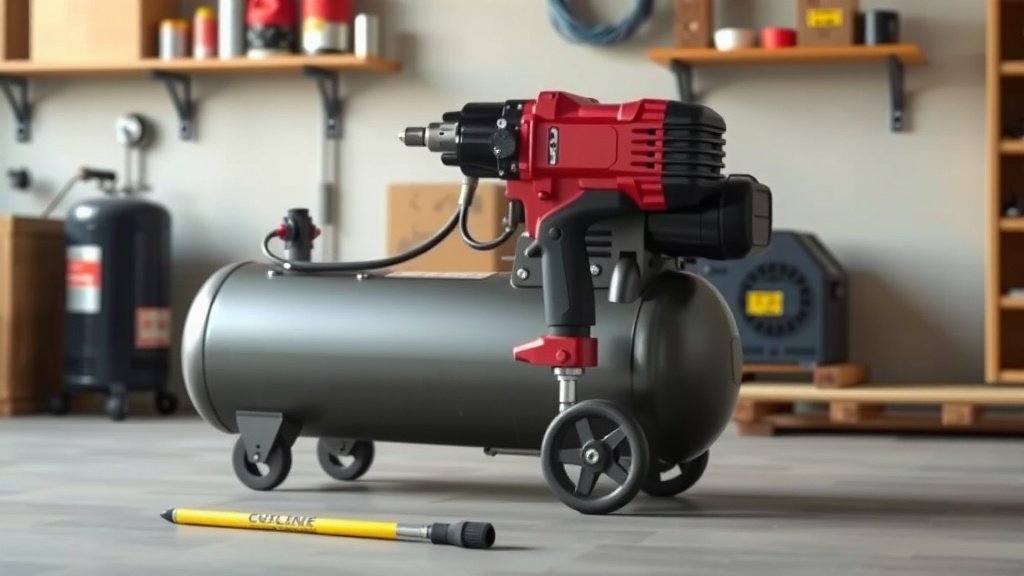
Portable compressors, often in the 1 to 6-gallon range, are designed for convenience and smaller tasks like inflating tires or powering brad nailers. While some might technically run an impact wrench for a brief moment, they are generally not recommended for anything more than very occasional, light-duty use. The CFM output is usually too low, and the small tanks drain too quickly.
Making the Right Choice: A Quick Checklist
To help you decide, here’s a quick rundown:
- Check your impact wrench’s air requirements. Look for CFM and PSI specs.
- Consider your typical usage. Will it be quick jobs or long projects?
- Aim for at least 5 CFM at 90 PSI. This is a common sweet spot.
- Bigger tanks mean longer run times. Don’t underestimate this benefit.
- For sustained power, lean towards 20 gallons or more.
- Portable units are usually too small for serious impact wrench work.
Compressor Types and Tank Configurations
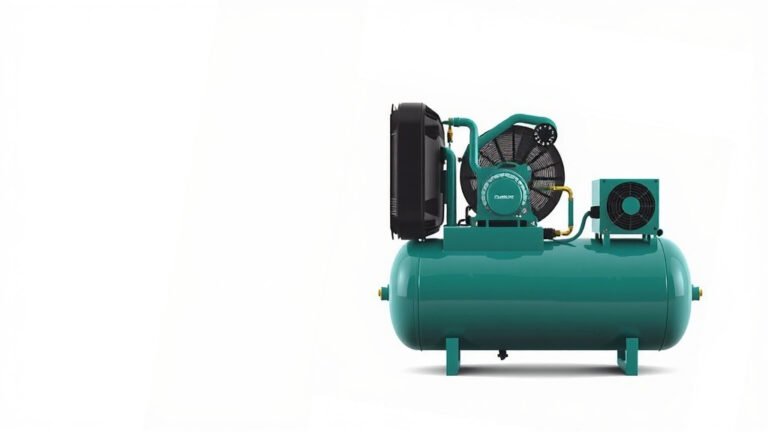
You’ll generally see two main types of compressors for this kind of work: portable and stationary. Portable units are on wheels and can be moved around your garage or worksite. Stationary units are larger and typically fixed in one place, often offering higher CFM and larger tank capacities.
Single vs. Dual-Stage Compressors
You might also encounter single-stage and dual-stage compressors. Single-stage compressors compress air in one step. Dual-stage compressors do it in two steps, which is more efficient and can deliver higher pressures and CFM. For powering an impact wrench consistently, especially in a professional setting, a For powering an impact wrench consistently, a dual-stage compressor is often a better investment.dual-stage compressor is often a better investment.
A Helpful Comparison Table
Here’s a table to give you a general idea:
| Typical Gallon Size | Best For | Likely CFM @ 90 PSI | Notes |
|---|---|---|---|
| 1-6 Gallons | Inflating, brad nailers | 1-3 CFM | Generally too small for impact wrenches. |
| 10-20 Gallons | Light DIY, occasional auto tasks | 3-5 CFM | Can work for short bursts. |
| 20-30 Gallons | Moderate garage use, most auto repair | 5-7 CFM | Good balance of power and portability. |
| 30+ Gallons | Heavy-duty DIY, professional use | 6+ CFM | Provides sustained air for demanding tasks. |
Conclusion
Choosing the right air compressor for your impact wrench boils down to balancing CFM, PSI, and tank size. We found that a minimum of 5 CFM at 90 PSI is your essential target for effective wrench performance. While smaller tanks suffice for quick jobs, larger tanks, like those 20 gallons or more, provide the sustained power you need for longer tasks. Don’t let an undersized compressor slow you down. Consider your typical usage and the specific needs of your impact wrench. Your next step is to check your wrench’s specs and find a compressor that reliably meets those demands to ensure efficient and frustration-free work.
Frequently Asked Questions
What’s the absolute minimum gallon size I should consider for an impact wrench?
While there’s no single “minimum” gallon size, we’ve researched that even small tasks benefit from a bit of an air reserve. Portable 6-gallon compressors are generally too small for consistent impact wrench use due to low CFM. Aiming for at least 10-20 gallons will offer a better experience for light-duty applications.
Can a small 6-gallon compressor really not power an impact wrench at all?
It’s not that it can’t power it at all, but it will likely be very limited. A 6-gallon compressor typically struggles to provide the necessary CFM for long. You’ll likely experience a rapid drain and frequent cycling, which means your impact wrench will lack consistent power and may not be effective for anything beyond very brief bursts.
How important is the PSI rating of the compressor for my impact wrench?
PSI is quite important, as it dictates the air pressure your wrench operates at. Most common impact wrenches require around 90 PSI to deliver their full torque. Your compressor must be able to consistently supply this pressure. If it can’t maintain 90 PSI under load, your wrench won’t perform as intended.
Will a 20-gallon compressor be enough for most home garage tasks?
Yes, for most typical home garage tasks, a 20-gallon compressor with adequate CFM (around 5 CFM at 90 PSI) is a solid choice. It provides a good balance, offering enough air reserve to handle jobs like brake jobs or suspension work without constant interruptions. You’ll notice a significant difference in power delivery compared to smaller units.
Should I prioritize CFM or tank size when choosing a compressor for my impact wrench?
While both are important, CFM is often the primary driver for tool performance. You need sufficient airflow to make your impact wrench work effectively. We found that a compressor must meet your wrench’s CFM requirements at the correct PSI. The tank size then determines how long you can maintain that performance before the compressor needs to refill.