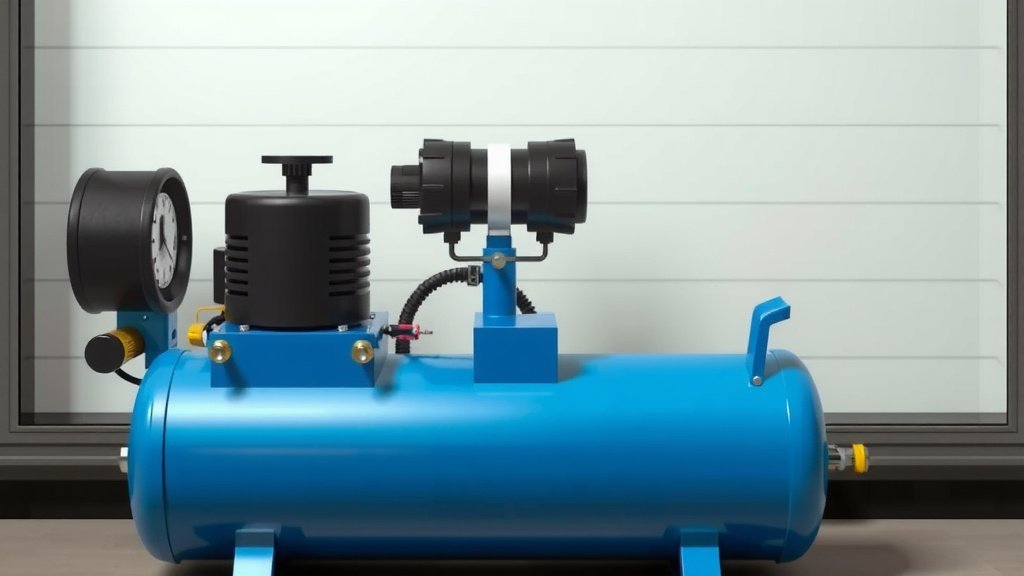
Boost Air Compressor Efficiency: Effective Cooling Tips
Your air compressor works hard, and it can get hot. To keep it running cool and prevent overheating, you need to focus on proper ventilation and regular maintenance. Ensuring airflow around the unit and keeping it clean are the most effective ways to manage its temperature.
An overheated compressor can lead to premature wear and reduced efficiency. Many common issues, like a dirty intake filter or blocked vents, contribute to this heat buildup. Addressing these simple factors helps your compressor last longer and perform better.
- Ensure good airflow around your compressor.
- Keep the air intake filter clean.
- Listen for unusual noises.
- Check for any visible damage.
- Perform routine maintenance checks.
Let’s walk through some simple steps you can take to keep your air compressor cool and happy.
“`htmlKeeping Your Air Compressor Running Cool
An air compressor works hard, much like your car’s engine on a hot day. If it gets too warm, its performance suffers. Overheating can lead to faster wear and tear. It might even cause expensive breakdowns. You want your compressor to last, right? Good news! Keeping it cool isn’t rocket science. Simple steps make a big difference.
The Importance of Airflow
Think of your compressor like a person in a stuffy room. It needs fresh air to function well. Good airflow is your compressor’s best friend. It helps dissipate the heat generated during operation.
Location, Location, Location
Where you place your compressor matters a lot. Avoid tight, enclosed spaces. Your garage might seem like a good spot, but is it cramped? Is it packed with other tools and supplies? If so, the air can’t move freely. This traps heat.
Try to give your compressor at least a foot of space on all sides. This includes the top. This allows air to circulate freely. We found that placing it near a window or door that can be opened helps immensely. Just be mindful of dust and debris entering if you do this.
Ventilation Systems and Fans
For more demanding setups, consider active ventilation. You might need an exhaust fan. This is especially true if your compressor is in a dedicated workshop or a small room. A simple, inexpensive fan can make a world of difference.
Position the fan to pull hot air away from the compressor. This creates a continuous flow of cooler air. Many users find a small oscillating fan works well. It keeps the air moving without being too noisy. We’ve seen some setups that use ducting. This directs cooler outside air towards the compressor and exhausts hot air elsewhere.
Maintenance: The Unsung Hero of Cooling
Regular maintenance is key to preventing overheating. Many issues that cause heat buildup are simple to fix. Neglecting them is like ignoring a small leak in your tire. It only gets worse.
The Air Intake Filter: A Breath of Fresh Air
Your compressor needs to breathe. The air intake filter cleans the air before it enters the pump. A clogged filter restricts airflow. This makes the compressor work harder. Working harder means generating more heat.
Check your air filter regularly. We recommend doing this at least once a month. If it looks dirty or dusty, it’s time for a change or a clean. Most filters are easy to access. Consult your owner’s manual for specific instructions. Some can be cleaned with compressed air. Others need to be replaced entirely.
Oil Levels and Quality
If your compressor uses oil, its level and quality are vital. Oil lubricates moving parts. It also helps to carry heat away from critical components. Low oil levels mean more friction. More friction means more heat.
Dirty or degraded oil loses its cooling properties. It can also cause increased wear. Check your oil level before each use. Top it off if needed with the correct type of oil. Many experts suggest changing the oil according to the manufacturer’s schedule. This typically happens annually or after a certain number of operating hours (Mayo Clinic).
Cooling Fins: Keeping Them Clean
Many compressors have cooling fins on the pump. These are like the fins on a car radiator. They increase the surface area. This helps heat escape into the air. Dust and grime can build up on these fins.
This buildup acts as an insulator. It prevents efficient heat transfer. Regularly clean these fins with a brush or compressed air. You’ll be surprised how much dirt can accumulate. A clean compressor runs cooler.
Understanding Compressor Sounds and Smells
Your compressor can tell you a lot about its condition. Paying attention to unusual sounds or smells is a simple diagnostic step.
Listen for Trouble
A healthy compressor has a steady hum. If you start hearing new or louder noises, take note. Grinding, knocking, or squealing sounds can indicate internal problems. These problems often generate excess heat.
For example, a worn bearing might squeal. A valve issue could cause a knocking sound. If you hear something off, it’s a good time to investigate. Addressing minor issues early can prevent major overheating.
Trust Your Nose
A faint smell of oil is normal for some compressors. However, a strong, acrid, or burning smell is a warning sign. This usually indicates overheating of motor windings or oil. If you detect such a smell, shut down the compressor immediately. Let it cool completely before trying to diagnose the problem.
Checking for Physical Issues
Sometimes, the cause of overheating is visible. Don’t overlook the obvious.
Inspect Belts and Connections
If your compressor has a belt-driven motor, check the belt tension. A loose belt can slip. This causes inefficiency and generates heat. A worn belt might also cause issues. Make sure all electrical connections are secure and free of corrosion. Loose wires can cause resistance and heat.
Look for Leaks
Air leaks can make your compressor run longer to maintain pressure. Running longer means generating more heat. Regularly check hoses, fittings, and valves for leaks. You can often hear them. Sometimes, a soapy water solution sprayed on connections will reveal small leaks through bubbles. Air leaks can make your compressor run longer to maintain pressure, so regularly check hoses, fittings, and valves for leaks.
A Simple Cooling Checklist
Here’s a quick checklist to help you keep your compressor cool:
- Ensure at least 1 foot of space around the unit.
- Clean or replace the air intake filter regularly.
- Check oil levels and quality frequently.
- Keep cooling fins free of dust and debris.
- Listen for unusual noises from the motor or pump.
- Inspect for any visible leaks or loose connections.
By following these straightforward steps, you can help prevent your air compressor from overheating. This will lead to a longer lifespan and more reliable performance for your tool. A cool compressor is a happy compressor!
Conclusion
Keeping your air compressor cool is all about smart placement and consistent care. You’ve learned that ensuring good airflow around your unit, by giving it space and perhaps adding a fan, is vital. Regular maintenance, like cleaning filters and checking oil, prevents heat buildup. Paying attention to your compressor’s sounds and appearance can alert you to problems early on. By incorporating these simple habits into your routine, you’ll protect your investment. This will ensure your compressor runs efficiently and reliably for years to come. Your next step? Take a moment today to check the airflow around your compressor and give its cooling fins a quick clean.
Frequently Asked Questions
How much space should I leave around my air compressor?
You should aim to leave at least one foot of clear space on all sides of your air compressor, including the top. This ample clearance allows for unrestricted airflow, which is essential for dissipating the heat generated during operation. Proper ventilation prevents heat from getting trapped around the unit.
Can a dirty air filter really make my compressor overheat?
Yes, a clogged air filter can significantly contribute to overheating. A dirty filter restricts the amount of air that can enter the compressor pump. This forces the compressor to work harder to draw in air, leading to increased friction and heat generation. Regularly cleaning or replacing your air filter is crucial.
What does a burning smell from my air compressor mean?
A strong, acrid, or burning smell is a serious warning sign. It typically indicates that internal components, such as the motor windings or the oil, are overheating significantly. If you detect this smell, shut down the compressor immediately and let it cool completely before investigating the cause.
Is it okay to put an air compressor in a small, enclosed shed?
Generally, it’s not ideal to place an air compressor in a small, enclosed space without proper ventilation. These areas tend to trap heat. If you must use a shed, consider installing an exhaust fan and ensuring there’s enough space around the compressor for air to circulate freely.
How often should I check the oil in my air compressor?
For oil-lubricated compressors, you should check the oil level before each use. Maintaining the correct oil level ensures proper lubrication and helps carry heat away from moving parts. Refer to your owner’s manual for the manufacturer’s recommended oil change schedule, which is typically annual or based on operating hours.