Ingersoll Rand Air Compressor Oil: How Much to Use
So, you’re wondering how much oil your Ingersoll Rand air compressor needs. You’re not alone! For most Ingersoll Rand reciprocating air compressors, the correct oil level is typically indicated by the sight glass, with the oil filling it to about 2/3 to 3/4 full. Always check your specific model’s manual, as this can vary slightly.
Getting the oil level just right is pretty important for your compressor’s health. Too little oil means increased friction and wear, potentially leading to costly repairs. Too much oil can cause foaming and reduce efficiency, or even lead to oil carryover into your air lines. Finding that sweet spot ensures your Ingersoll Rand runs smoothly and reliably for years to come.
- Your Ingersoll Rand compressor’s oil level should be about 2/3 to 3/4 full in the sight glass.
- Always consult your specific model’s manual for exact oil capacity.
- Low oil levels cause wear; high levels can cause foaming and efficiency issues.
- Proper oil level is key to preventing expensive damage.
Let’s dive into how to check and maintain the perfect oil level for your Ingersoll Rand air compressor.
Getting the Oil Level Right for Your Ingersoll Rand Air Compressor
Knowing the correct oil level is key. It keeps your Ingersoll Rand compressor running smoothly. We’ll help you understand where that sweet spot is.
Checking the Oil Level: Your Compressor’s Vital Signs
Think of the oil level as your compressor’s blood pressure. Too low, and things start to seize up. Too high, and it can get messy and inefficient. Fortunately, most Ingersoll Rand models make this easy to check.
The Magic of the Sight Glass
Your Ingersoll Rand compressor likely has a sight glass. This is usually a small, clear window on the side of the compressor’s crankcase. It’s your direct view into the oil reservoir. We found that many operators simply look at this glass to gauge the oil level.
What “Full” Really Means
For most Ingersoll Rand reciprocating compressors, the ideal oil level is between two-thirds (2/3) and three-quarters (3/4) full in the sight glass. It shouldn’t be completely overflowing, nor should it be barely visible. We’ve seen that hitting this range is the perfect balance for optimal performance.
Why Not Completely Full?
Overfilling can cause the rotating parts to churn the oil excessively. This creates foam, which reduces lubrication effectiveness. It can also lead to oil being pushed out of the compressor and into your air lines. That’s a problem nobody wants to deal with!
Why Not Too Low?
Conversely, if the oil level is too low, the pump might suck air, or the moving parts won’t get enough lubrication. This leads to increased friction and heat. Over time, this can cause significant wear and tear on critical components like bearings and pistons. We found that insufficient lubrication is a leading cause of premature compressor failure.
Consulting Your Compressor’s Manual: The Ultimate Guide
While the 2/3 to 3/4 rule is a great general guideline, your specific model’s manual is the ultimate authority. Ingersoll Rand offers a wide range of compressors, and there can be slight variations. We always recommend keeping your manual handy for precise information. It’s the definitive source for your machine.
How to Accurately Check Your Ingersoll Rand Compressor’s Oil Level
Checking the oil is a straightforward process, but doing it correctly ensures accuracy. You don’t want to guess when it comes to keeping your equipment in top shape.
Prepare Your Compressor
First, ensure your compressor is turned off and unplugged for safety. It’s also best to check the oil when the compressor is at room temperature. If it’s just been running, let it cool down for about 15-20 minutes. This prevents hot oil from splashing and gives the oil time to settle.
Locate and Observe the Sight Glass
Find the sight glass on the side of the crankcase. Make sure the area around it is clean. Wipe it down if necessary. You want a clear view without any dirt or debris obscuring your reading. Then, simply look at the oil level in the glass. You should see the oil creating a distinct line against the background.
What to Do if the Level is Off
If the oil level is too low, you’ll need to add more. If it’s too high, you may need to drain a small amount. We’ll cover how to add oil next.
Adding Oil to Your Ingersoll Rand Air Compressor
When you need to top off your compressor, using the right type and amount of oil is crucial.
Choosing the Right Ingersoll Rand Oil
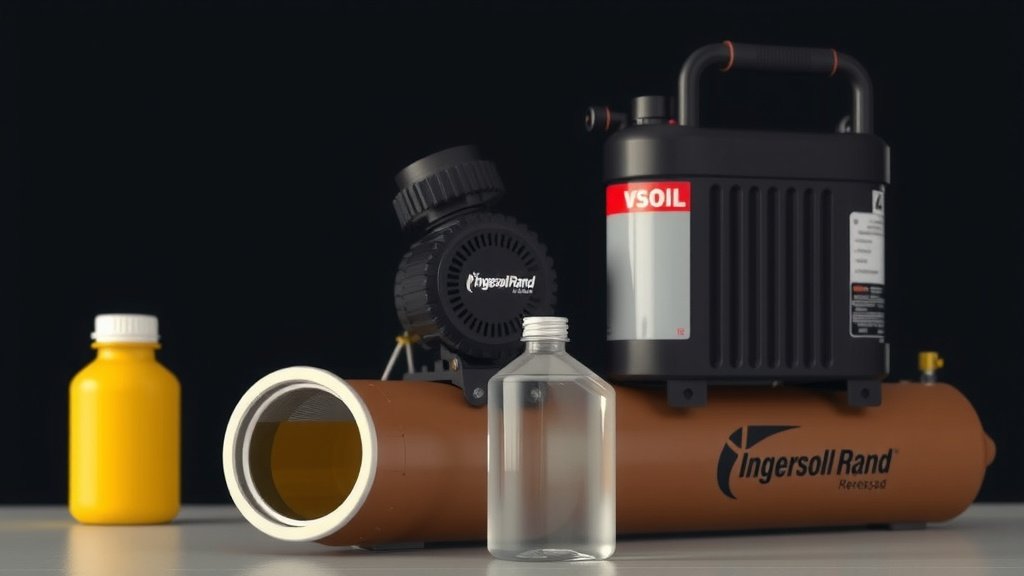
Always use an oil specifically recommended by Ingersoll Rand for your compressor model. They often recommend specific synthetic or mineral-based oils designed for the high pressures and temperatures involved. Using the wrong oil can void your warranty and damage the compressor. We found that using manufacturer-recommended lubricants is the safest bet.
The Filling Process
Your compressor will have a fill port, usually on the top or side of the crankcase. It might have a cap or a dipstick. Carefully add small amounts of oil at a time, checking the sight glass frequently. Stop when the oil reaches the 2/3 to 3/4 mark. It’s always easier to add more than to take it out!
| Common Compressor Type | Typical Oil Level (Sight Glass) | Notes |
|---|---|---|
| Reciprocating (Piston) | 2/3 to 3/4 Full | Most common type; check manual for specifics. |
| Rotary Screw | Varies greatly; often has a separate oil reservoir | Requires specific procedures; consult manual. |
| Centrifugal | Typically uses a sump; very specific levels | These are specialized units; manual is essential. |
This table provides a general overview. Your Ingersoll Rand reciprocating compressor will most likely fall into the first category.

When to Check and Change Your Compressor Oil
Regular checks and changes are vital for the longevity of your Ingersoll Rand compressor.
Routine Checks
We suggest checking the oil level at least once a month for compressors in regular use. If your compressor works hard daily, check it weekly. It only takes a minute and can prevent big problems down the road.
Oil Change Schedule
The frequency of oil changes depends on usage and operating conditions. Your manual will specify this. As a general rule, many experts recommend an oil change every 500 to 1,000 hours of operation, or at least once a year. We found that hot, humid, or dusty environments may require more frequent changes.
Signs Your Oil Needs Changing
Look for signs like discolored, sludgy, or gritty oil. If the oil appears milky, it could indicate water contamination. These are clear indicators that it’s time for a fresh fill.
Troubleshooting Common Oil Level Issues
Sometimes, you might encounter situations that require a little more attention.
Constant Low Oil Level?
If you’re constantly having to add oil, you might have a leak. Inspect seals, gaskets, and the crankcase for any signs of oil seepage. Addressing leaks promptly prevents potential damage and ensures you’re not running low.
Oil Foaming Issues
As mentioned, overfilling can cause foaming. Using the wrong type of oil or having excessive blow-by from worn piston rings can also contribute. If foaming persists even at the correct level, it’s worth investigating further.
Your Ingersoll Rand Compressor Oil Checklist
Here’s a quick rundown to help you keep track:
- Monthly Oil Level Check: Verify it’s between 2/3 and 3/4 in the sight glass.
- Inspect Oil Condition: Note any discoloration or debris.
- Consult Your Manual: Always refer to it for specific oil type and change intervals.
- Use Recommended Oil: Only use Ingersoll Rand approved lubricants.
- Address Leaks Promptly: Don’t let oil loss go unnoticed.
- Note Operating Hours: Track usage for timely oil changes.
Conclusion
Keeping your Ingersoll Rand air compressor properly oiled is one of the simplest yet most important maintenance tasks you can perform. You’ve learned that the sweet spot for most models is about 2/3 to 3/4 full in the sight glass. Remember, consistency is key – regular checks prevent costly damage from too little or too much oil. Always have your model’s manual handy for precise recommendations. Taking these steps ensures your compressor runs efficiently and reliably for years to come. Make checking your oil level a regular habit; your compressor will thank you for it!
Frequently Asked Questions
How often should I check the oil level on my Ingersoll Rand air compressor?
For compressors in regular use, we recommend checking the oil level at least once a month. If your compressor works hard daily, a weekly check is a good idea. This quick check takes only a minute and can prevent bigger issues later.
What kind of oil does my Ingersoll Rand air compressor need?
Always use an oil specifically recommended by Ingersoll Rand for your compressor model. They usually suggest particular synthetic or mineral-based oils designed for compressor use. Using the wrong oil might void your warranty and could damage the unit.
What happens if I overfill my Ingersoll Rand air compressor with oil?
Overfilling can cause the internal parts to churn the oil too much, leading to foam. This reduces the oil’s ability to lubricate effectively. It can also push oil out of the compressor and into your air lines, which is undesirable.
Can I use car oil in my Ingersoll Rand air compressor?
No, you should not use standard car oil. Compressor oils are formulated to handle the unique pressures, temperatures, and operating conditions inside an air compressor. Car oil might not provide adequate protection and could cause damage over time.
My sight glass is cloudy, how can I check the oil level?
If your sight glass is cloudy or dirty, clean it thoroughly before checking. If the oil inside appears milky, it could indicate water contamination, and you should consider changing the oil. If the cloudiness persists or you can’t see the level, consult your manual or a service technician.