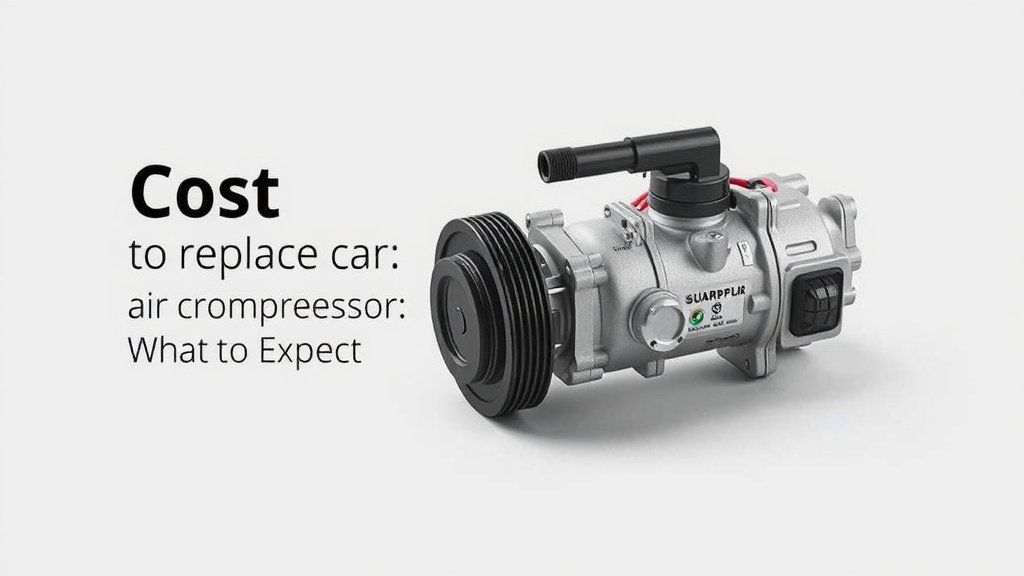
Cost to Replace Car Air Compressor: What to Expect
Replacing a car air compressor typically costs between $500 and $1,200. This price includes both the part and the labor to install it. The actual amount you pay depends on your car’s make and model, and whether you choose genuine or aftermarket parts. Many factors influence this final cost, making it important to get a few quotes.
A faulty air compressor can mean no more cold air on a hot day. It’s a major repair that affects your car’s comfort system. If you notice your AC isn’t blowing cold, or you hear strange noises, it might be time for this repair. We found that timing and the specific shop can impact the final bill.
- Average cost: $500-$1,200.
- Includes parts and labor.
- Car model affects price.
- Shop rates vary.
- Listen for AC trouble signs.
Let’s walk through what goes into replacing your car’s air compressor and how to estimate your repair bill.
Understanding Your Car’s Air Compressor Replacement Cost
Replacing your car’s air compressor is a significant repair. We found that the typical price range is between $500 and $1,200. This total includes the cost of the part itself and the labor needed for the mechanic to install it. Several factors can influence this final number.
What Exactly is a Car Air Compressor?
Think of your car’s air compressor as the heart of your AC system. It pumps refrigerant through the AC lines. This process allows your car to produce that wonderful cool air. If it fails, your AC won’t blow cold air anymore. It’s a vital component for summer comfort.
Factors That Affect the Price Tag
You’re probably wondering what makes one repair cost more than another. We’ve identified a few key drivers.
Vehicle Make and Model Matter
The make and model of your car play a huge role. Luxury cars or those with more complex AC systems often have pricier parts. A compressor for a standard sedan will likely cost less than one for a high-end SUV. We found that some manufacturers use proprietary parts that can also increase the price.
Genuine vs. Aftermarket Parts
You often have a choice between genuine OEM (Original Equipment Manufacturer) parts and aftermarket parts. OEM parts are made by your car’s manufacturer. They usually come with a higher price tag but offer guaranteed compatibility. Aftermarket parts are made by other companies. They can be a more budget-friendly option. However, quality can vary, so it’s wise to research brands.
Labor Costs and Shop Rates
Labor is a significant part of the total cost. Mechanic shop rates differ greatly depending on location and the shop itself. A dealership might charge more per hour than an independent mechanic. We found that it typically takes 2 to 5 hours to replace an AC compressor. This time includes draining the old refrigerant, removing the old compressor, installing the new one, and recharging the system. Always get an estimate before agreeing to the work.
Breakdown of Potential Costs
To give you a clearer picture, let’s look at how the costs might break down. These are just estimates, of course.
Here’s a general idea of what you might expect:
- Air Compressor Part Cost: $150 – $600
- Labor Costs: $300 – $600
- Refrigerant and Other Fluids: $50 – $100
As you can see, the compressor itself can be a large chunk of the bill. Labor can often match or even exceed the part cost, especially in high-cost-of-living areas. Remember, these are averages. Your specific repair could fall outside these ranges.
When Do You Need to Replace Your Car’s Air Compressor?
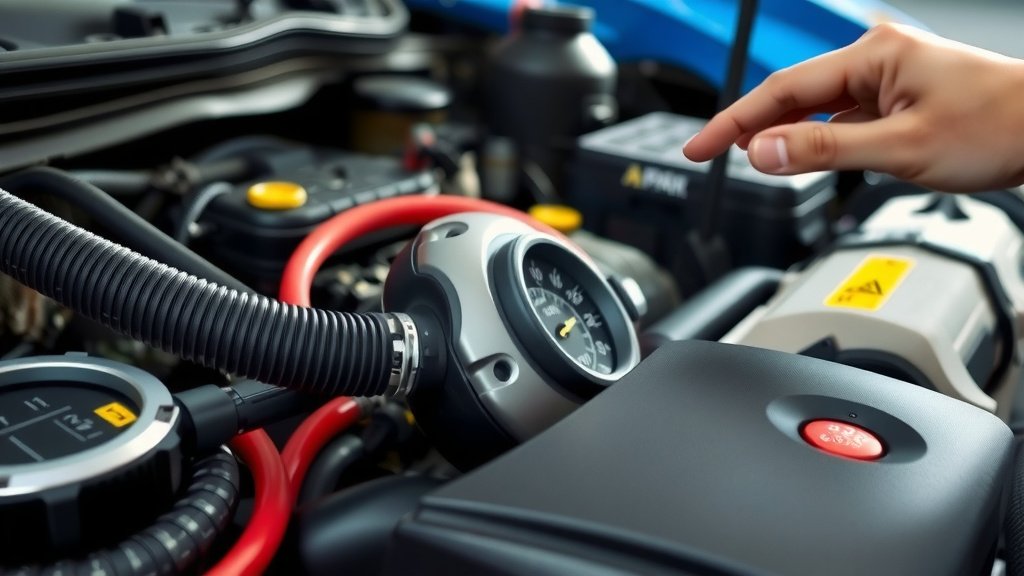
How do you know if your compressor is the culprit? Listen to your car. Your AC system will give you clues.
Common Signs of a Failing Compressor
Pay attention to these symptoms:
- Warm Air Blowing: This is the most obvious sign. If your AC used to blow cold and now only blows warm air, the compressor might have failed.
- Strange Noises: A failing compressor can make grinding, rattling, or squealing sounds. These noises often get louder when the AC is turned on.
- AC Not Turning On: Sometimes, a completely dead compressor means the AC system won’t engage at all.
- Visible Leaks: Oil residue around the compressor or AC lines could indicate a leak, often a sign the compressor is failing.
We found that many drivers ignore the early warning signs. This can sometimes lead to more extensive damage to the AC system. It’s better to have it checked out sooner rather than later.
Why Replacement is Often Necessary
Unlike some car parts, air compressors are difficult and expensive to repair. Most mechanics will recommend a full replacement if the compressor is faulty. Trying to repair a worn-out compressor is often not cost-effective. Many experts agree that a direct replacement is the most reliable solution for restoring your AC’s cooling power.
Getting the Best Deal on Your Compressor Replacement
Nobody wants to overpay for car repairs. Here are some tips to help you manage the cost.
Shopping Around for Quotes
This is perhaps the most important step. Don’t just go to the first mechanic you find. Call around and get at least three different repair quotes. Compare not just the total price but also what is included. Does the quote include a warranty on parts and labor?
Consider Your Mechanic Options
As mentioned, dealerships often have higher labor rates. An independent mechanic specializing in AC repair might offer a better price. However, ensure they have good reviews and experienced technicians. Some national chains also offer competitive pricing.
Ask About Warranties
A good repair shop will offer a warranty on both the part and the labor. This protects you if the new compressor fails prematurely. We found that warranties can range from 90 days to a year or more. Understanding the warranty terms is essential for your peace of mind.
DIY vs. Professional Installation
Unless you’re an experienced DIY mechanic with the right tools and knowledge of AC systems, this is not a job for beginners. Handling refrigerants requires special certification and equipment. Improper handling can be harmful to you and the environment. For this reason, we strongly advise leaving compressor replacement to the professionals.
Checklist for Compressor Replacement:
- Get multiple repair quotes.
- Ask about part options (OEM vs. aftermarket).
- Inquire about labor rates and estimated time.
- Confirm warranty details for parts and labor.
- Choose a reputable mechanic or shop.
- Understand the full scope of the repair.
Conclusion
Replacing your car’s air compressor is a necessary repair for summer comfort, with costs ranging from $500 to $1,200. Remember that your vehicle’s make and model, along with whether you choose genuine or aftermarket parts, heavily influence this price. Labor costs also play a big role, so getting multiple quotes is your best bet. Listen for those tell-tale signs like warm air or strange noises, and don’t hesitate to get a professional opinion. Take the time to shop around, compare your options, and ensure you understand any warranties offered. Your next step should be to call a couple of trusted local mechanics for an estimate.
Frequently Asked Questions
Can I drive my car if the air compressor is broken?
Yes, you can usually drive your car with a broken air compressor. The compressor is part of your air conditioning system. While your AC won’t blow cold air, the car will still operate normally for driving purposes. You should, however, get it repaired to restore comfortable cabin temperatures.
How long does it take to replace a car air compressor?
Replacing an air compressor typically takes between 2 to 5 hours. This time includes draining and refilling the AC system with refrigerant, removing the old compressor, and installing the new one. The exact time can vary based on your specific vehicle model and the mechanic’s experience.
Is it cheaper to replace the compressor myself?
While doing it yourself might seem cheaper, it’s generally not recommended for car air compressors. Handling refrigerants requires special tools and certification to do safely and legally. The complexity and potential for damage make professional installation a much safer and often more cost-effective choice in the long run.
What happens if I don’t replace a failing air compressor?
If you don’t replace a failing air compressor, your air conditioning system will continue to blow warm air. In some cases, a completely failed compressor could potentially lead to further damage to other components in the AC system over time. You’ll also miss out on comfortable cool air during hot weather.
Are aftermarket AC compressors as good as OEM?
Aftermarket AC compressors can be a good option and save you money. However, quality can vary significantly between brands. We found that researching reputable aftermarket manufacturers and checking reviews is important. For guaranteed fit and performance, OEM parts are typically the safest choice, but often come at a higher price point.