Steel vs Aluminum Air Compressor Tanks: Which is Right
When choosing an air compressor tank, steel tanks are generally the better option for most users. Steel offers superior durability and strength, making it a more reliable choice for heavy-duty applications. While aluminum tanks are lighter, they can be more prone to damage over time.
You’re probably wondering what makes one metal tank better than another for your air compressor. We found that the material impacts not only the tank’s lifespan but also its ability to withstand pressure and potential damage. Understanding these differences helps you make a smart investment for your tools and projects.
- Steel tanks are stronger and more durable.
- Aluminum tanks are lighter but less robust.
- Steel is better for heavy-duty use and longevity.
- Consider your primary use case when deciding.
Let’s dive into the specifics of air compressor steel vs. aluminum tanks so you can pick the right one for your needs.
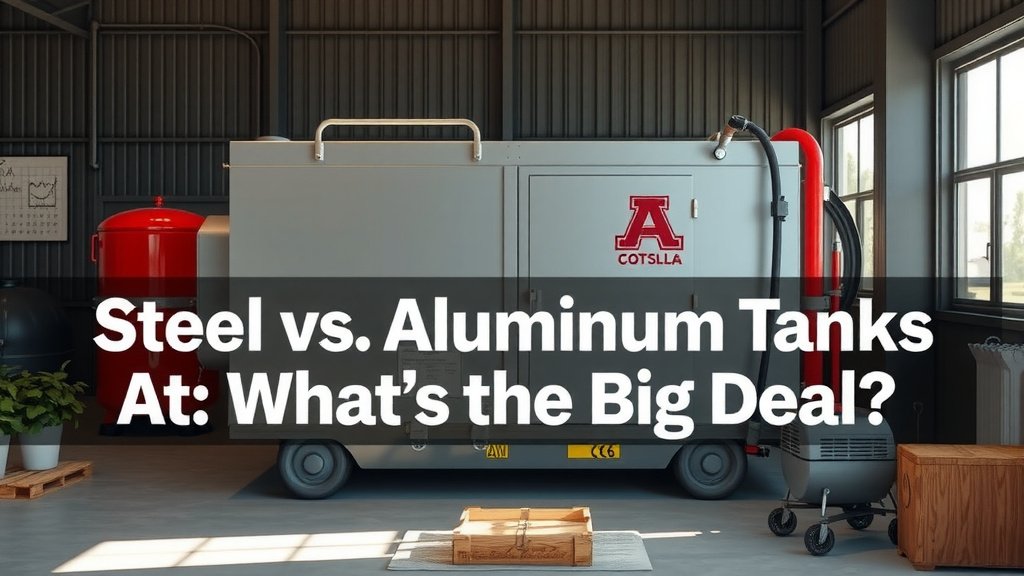
Steel vs. Aluminum Air Compressor Tanks: What’s the Big Deal?
When you’re looking at air compressor tanks, you’ll see they’re usually made of either steel or aluminum. You might be wondering which material is actually better for your workshop or job site. We’ve found that the choice between steel and aluminum tanks really comes down to durability, weight, and cost. While both metals can hold compressed air, they have different strengths and weaknesses that can impact your experience.
Understanding Tank Material Properties
The core difference between steel and aluminum tanks lies in their fundamental material properties. Think of it like choosing between a cast iron skillet and a non-stick pan – both cook food, but they behave very differently.
The Strength and Durability of Steel
Steel is a tough and robust metal. It’s known for its high tensile strength, meaning it can withstand a lot of pulling force before breaking. This makes steel tanks very durable and resistant to dents or punctures. Many experts say steel is the go-to material for applications where ruggedness is key (American Society of Metals).
Because steel is so strong, manufacturers can build tanks that are thinner and yet still capable of holding high pressures. This strength means a steel tank is less likely to be damaged by accidental bumps or drops on the job site. It’s built to last, enduring tough conditions over many years.
The Lightweight Advantage of Aluminum
Aluminum, on the other hand, is significantly lighter than steel. This is its biggest selling point. If you find yourself moving your air compressor around a lot, a lighter tank can make a big difference. Imagine lugging a heavy steel tank up a flight of stairs versus a much lighter aluminum one – that’s a noticeable difference!
While lighter, aluminum is also a softer metal compared to steel. This means aluminum tanks can be more susceptible to dents and damage. You’ll want to be a bit more careful with an aluminum tank around heavy equipment or rough surfaces.
Comparing Performance and Longevity
When it comes to how these tanks perform over time and under pressure, there are some key distinctions we found.
Corrosion Resistance: A Closer Look
One area where aluminum often shines is its natural resistance to rust. Aluminum forms a protective oxide layer when exposed to air, which prevents further corrosion. Steel, especially if it’s not coated or treated properly, can be prone to rusting, particularly in humid environments. Rust can weaken a tank over time.
However, many steel tanks are treated with protective coatings, like paint or galvanization, to prevent rust. So, while aluminum has an inherent advantage, a well-maintained steel tank can also offer excellent corrosion resistance. Regular checks for damage or wear are important for both types.
Impact on Pressure Handling
Both steel and aluminum tanks are designed to handle the pressures generated by air compressors safely. Manufacturers test these tanks rigorously to ensure they meet safety standards. Steel’s inherent strength means it can typically handle very high pressures without issue. Aluminum tanks are also engineered to be safe for their intended pressure ranges.
The key is that the tank must be *appropriately rated* for the compressor’s output. A compressor producing very high PSI might require a specifically robust tank, which often points towards steel for maximum safety margin.
The Role of Weight in Portability
Let’s talk weight again. If your compressor is going to live in one spot, like a home garage, the tank material’s weight might not matter much. But if you’re a contractor who moves equipment daily, or you simply need to reposition your compressor often, the weight becomes a major factor.
A portable compressor with an aluminum tank can be a lifesaver. Think about it: less strain on your back, easier loading into a truck, and quicker setup at different locations. This portability can significantly improve your workflow and reduce physical fatigue.
Cost Considerations: Steel vs. Aluminum Tanks
Price is always on your mind, right? We found that generally, steel tanks tend to be more budget-friendly than their aluminum counterparts. Steel is a more common and less expensive material to source and work with.
Aluminum tanks, due to the material cost and sometimes more specialized manufacturing processes, often come with a higher price tag. This means that for the same size and pressure rating, an aluminum tank compressor might cost you more upfront. However, you should also consider the lifespan and potential repair costs associated with each material.
Making the Right Choice for Your Needs
So, how do you decide? It’s not a one-size-fits-all answer. We recommend considering these points when making your decision.
Who Needs a Steel Tank?
You’ll likely want a steel tank if:
- You need maximum durability and resistance to damage.
- Your compressor will be used in rough environments or heavy-duty applications.
- You plan to keep the compressor for a very long time.
- Budget is a primary concern, and you want the most tank for your money.
- Portability is not a major requirement.
Who Might Prefer an Aluminum Tank?
An aluminum tank might be a better fit if:
- You prioritize a lighter-weight compressor for easy transport and maneuvering.
- Your work involves frequently moving the compressor between different locations.
- You work in environments where rust is a significant concern and maintenance is limited.
- You don’t anticipate extreme physical impacts on the tank.
A Quick Comparison Table
Here’s a simple way to see the main differences side-by-side:
| Feature | Steel Tank | Aluminum Tank |
|---|---|---|
| Durability | High, very resistant to damage | Moderate, can dent more easily |
| Weight | Heavy | Light |
| Corrosion Resistance | Can rust if not treated/maintained | Naturally resistant to rust |
| Cost | Generally Lower | Generally Higher |
| Best For | Heavy-duty, stationary use, longevity | Portability, frequent moving |
Your Air Compressor Tank Checklist
Before you make your final decision, run through this quick checklist to make sure you’re getting the right tank for your situation:
- How often will you move the compressor? (Think about weight!)
- What kind of environment will it be in? (Rough job site vs. clean garage.)
- What’s your budget for the compressor? (Consider upfront cost vs. long-term value.)
- What are the typical air pressure needs for your tools? (Ensure tank is rated appropriately.)
- How important is long-term durability and resistance to dents?
- Do you have the space to store it where weight isn’t a major issue?
Conclusion
You’ve seen that steel air compressor tanks offer robust durability for demanding jobs, while aluminum tanks provide a lighter option for easier transport. Your choice hinges on your specific needs: if you prioritize longevity and toughness in a workshop setting, steel is likely your winner. If frequent moving and a lighter load are key for your projects, aluminum makes a lot of sense. Consider where and how you’ll use your compressor most, and you’ll find the tank material that best supports your work. Make the informed decision today to ensure your air compressor serves you reliably for years to come. To understand compressor capabilities, learn about the different types of gallon air compressors.
Frequently Asked Questions
Will an aluminum tank rust like a steel tank?
Aluminum tanks are naturally resistant to rust because they form a protective oxide layer. Steel tanks, on the other hand, can rust if they aren’t properly coated or maintained, especially in humid conditions. So, while aluminum has an advantage here, proper care is important for both.
Is a steel tank too heavy for a portable air compressor?
Steel tanks are significantly heavier than aluminum ones. If portability is your main concern, a steel tank might make the compressor difficult to move frequently. For a compressor that stays in one place, the weight is less of an issue.
Can aluminum tanks handle high pressure just like steel tanks?
Yes, both steel and aluminum tanks are engineered to safely handle the pressures required by air compressors. The critical factor is ensuring the tank is rated for the specific pressure output of your compressor, regardless of the material.
Are aluminum air compressor tanks more expensive?
Generally, yes. Aluminum tanks tend to have a higher upfront cost compared to steel tanks of similar size and rating. This is due to material costs and sometimes more involved manufacturing processes for aluminum.
How can I tell if my steel tank is starting to rust?
Look for reddish-brown spots or a flaky texture on the surface of your steel tank. You might also notice a gritty feel. If you see this, it’s a sign of corrosion that needs attention to prevent weakening of the tank.