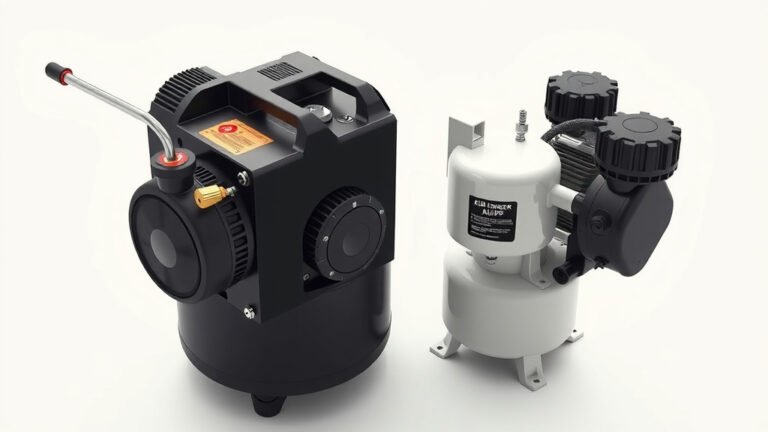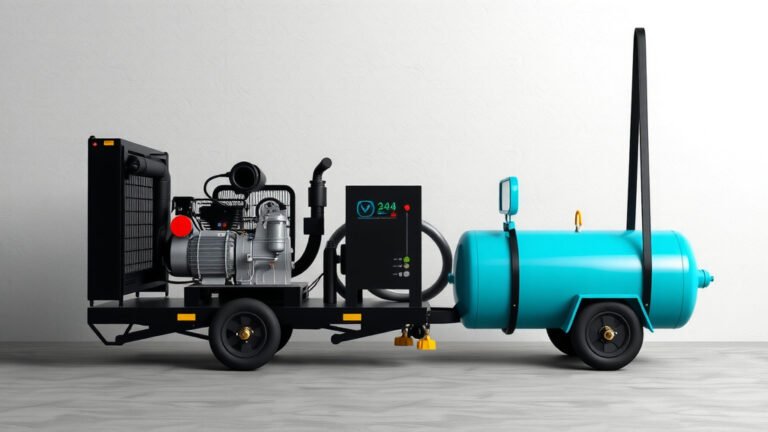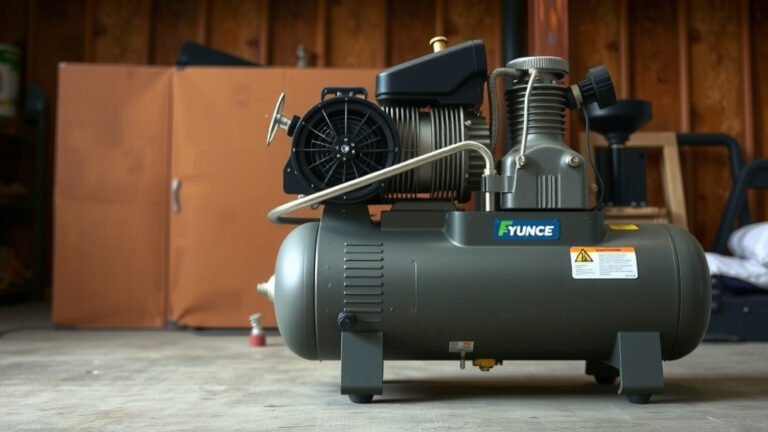
How Often to Drain Air Compressor Tank For Peak Performance
You should drain your air compressor tank at least once a week. For compressors used daily, draining it after every use is even better. This simple step prevents moisture buildup, which can cause rust and damage your tank over time. It’s a small habit that protects your equipment.
That little bit of water can cause big problems down the road. Letting it sit can lead to corrosion and even tank failure. Many folks forget this basic maintenance, but it’s key to keeping your air compressor running smoothly and safely for years to come. We’ve found that regular draining is the most effective way to avoid costly repairs.
- Drain your air compressor tank at least weekly.
- Drain daily if you use it every day.
- This prevents rust and damage from moisture.
- Regular draining protects your investment.
- It’s a simple but vital maintenance task.
Let’s walk through exactly why this is so important and how to do it without any hassle.
When and How Often to Drain Your Air Compressor
So, you’ve got an air compressor, and you want to keep it in tip-top shape. A big part of that is knowing when to give the tank a good drain. Think of it like giving your compressor a healthy drink of water – but the opposite! We found that the sweet spot for draining is typically at least once a week. For those of you who use your compressor every single day, doing it after each use is even better. It’s a quick task that prevents a whole lot of potential headaches down the road.
Why is this so important? Moisture is the enemy of metal. When air is compressed, it releases water. If this water sits in your tank, it’s like leaving a puddle in a metal bucket. Over time, this can lead to rust and corrosion. This isn’t just about looks; it can weaken your tank, leading to leaks or even dangerous failure.
The Science Behind the Moisture Buildup
Let’s break down why this water shows up in the first place. Air naturally contains moisture. When your compressor sucks in air, it also sucks in that water vapor. As the compressor works its magic and squeezes that air into the tank, the pressure increases. This pressure causes the temperature to rise, but as the air cools down inside the tank, the moisture it holds starts to condense. It’s a bit like the condensation you see on a cold glass of water on a warm day. All that invisible vapor turns into liquid water, collecting at the bottom of your tank.
Understanding Condensation in Your Tank
This condensation is totally normal. No air compressor is immune to it. The warmer the air and the higher the humidity, the more moisture you’ll likely see. Even in dry climates, there’s still enough moisture in the air to cause problems if left unchecked. The key is to not let that condensed water become a permanent resident in your tank.
How Much Water Are We Talking About?
It might surprise you how much water can accumulate. Depending on how much you use your compressor and the ambient humidity, you could be looking at anything from a few ounces to several pints over the course of a week. We’ve heard stories from users who were shocked at the amount of water that came out after just a few days. It’s a visual reminder that this process is happening constantly.
Factors Affecting Your Draining Schedule
While “weekly” or “after each use” are great general guidelines, a few things can influence how often you should really be reaching for that drain valve. It’s not a one-size-fits-all situation, and understanding these factors can help you fine-tune your maintenance routine.
Usage Frequency: The Biggest Driver
This is probably the most obvious factor. If your air compressor is your daily workhorse, running for hours on end, it’s going to produce a lot more moisture than a compressor that sits idle most of the week. For heavy daily use, draining after every session is practically a must. Think of it like emptying your trash can – if you fill it up fast, you empty it often!
Environmental Conditions: Humidity and Temperature
Where you store and use your compressor plays a role. If you live in a humid region, like along the coast or in a tropical climate, you’re going to deal with more moisture. High temperatures can also increase condensation. Conversely, if your compressor lives in a cool, dry garage or workshop, you might get away with draining it a bit less often, but weekly is still a safe bet.
Compressor Type and Size
Larger compressors with bigger tanks can hold more air, and therefore more potential moisture. However, smaller compressors that are constantly running to keep up might also produce a significant amount of condensation relative to their tank size. While the general rule applies, keep an eye on your specific unit.
The Simple Process of Draining Your Tank
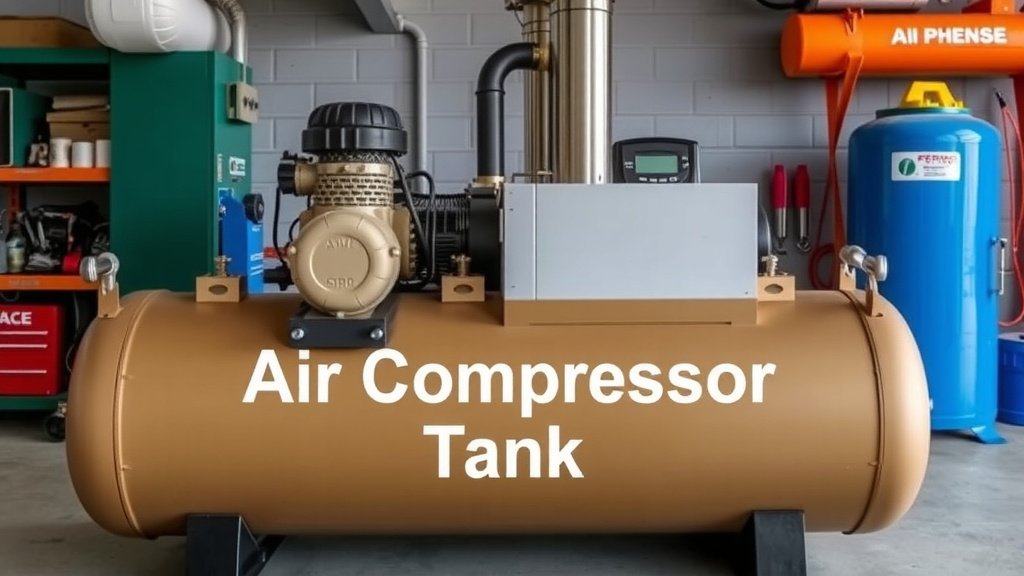
Don’t let the idea of maintenance scare you. Draining an air compressor tank is usually a very straightforward process. Most compressors have a simple drain valve located at the very bottom of the tank. It typically looks like a small knob or faucet.
Step-by-Step: Making Sure It’s Done Right
First, make sure your compressor is turned off and unplugged. Safety first! You’ll also want to release any pressure in the tank. You can do this by opening a connected air tool or by slowly opening the drain valve. Once the pressure is gone, find that drain valve. You might need a bucket or a shallow pan to catch the water. Slowly turn the valve counter-clockwise. You’ll hear a hiss as any remaining air escapes, and then the water will start to drain out. Let it drain until no more water comes out. Then, simply close the valve by turning it clockwise. It’s that easy!
When to Be Extra Vigilant
If you hear sputtering or see a lot of water coming out every time, it’s a sign you might need to drain more frequently. If you notice any signs of rust around the drain valve or inside the tank (if visible), it’s a clear indication that moisture has been sitting for too long. This could mean the tank’s internal coating is compromised, and you should consult your compressor’s manual or a professional.
Preventing Long-Term Damage: Your Checklist
A little bit of preventative care goes a long way. Here’s a quick rundown to keep your compressor healthy:
- Check the Tank Regularly: Make it a habit to look at the drain valve.
- Drain After Every Use (If Heavy User): Especially if you run it for extended periods.
- Drain at Least Weekly: For moderate or infrequent users.
- Use a Bucket: Catching the water shows you how much is building up.
- Listen for Sputtering: This can indicate excess moisture.
- Inspect for Rust: A sign that moisture has been sitting too long.
Conclusion
You’ve learned why keeping your air compressor tank dry is so important. Moisture buildup is a silent threat that can lead to rust and damage over time. Remember, draining your tank at least weekly is a great habit. If you use your compressor daily, make it a point to drain it after every use. This simple maintenance step is your best defense against costly repairs. By taking just a few moments to drain your tank, you’re ensuring your air compressor runs efficiently and safely for years to come. Don’t delay – check that drain valve today!
Frequently Asked Questions
How much water can really build up in an air compressor tank?
It might surprise you. Depending on usage and humidity, you could find anywhere from a few ounces to several pints of water accumulating weekly. We’ve seen users shocked by the amount that drains out, proving it’s a constant process happening inside your tank.
Is it okay to drain the tank while it’s still under pressure?
No, it’s not recommended. Always ensure your compressor is turned off and unplugged first. You should also release any built-up pressure before opening the drain valve. This makes the draining process safer and more effective.
What if I forget to drain my air compressor for a month?
Forgetting to drain your tank for an extended period significantly increases the risk of internal rust and corrosion. If you’ve gone a month without draining, it’s especially important to check for rust around the valve. You may need to drain it more frequently going forward.
Can I just leave the drain valve slightly open all the time?
While leaving it slightly open might seem like a quick fix, it’s generally not the best practice. This can lead to a constant slow leak of air, reducing your compressor’s efficiency. It also doesn’t guarantee all the moisture is removed. Regular, deliberate draining is more effective.
What’s the worst that can happen if I never drain my air compressor tank?
The worst-case scenario is severe internal rust and corrosion that can weaken the tank structure. This could lead to leaks, tank failure, or even a dangerous explosion. It’s a risk that easily avoided with basic maintenance.