How Often to Drain Your Air Compressor for Peak Performance
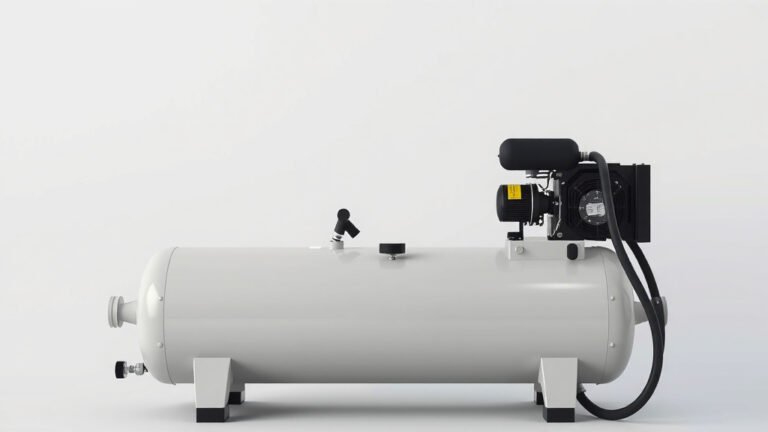
You should drain your air compressor tank Choosing between a 1-gallon or 2-gallon tank depends on your tasks.at least once a day, and even more often if you use it heavily. This simple act is key to preventing moisture buildup. Letting water sit in the tank can lead to rust and damage your equipment over time. It’s one of the most important steps for compressor maintenance.
Think of it like changing the oil in your car. Regular draining helps keep things running smoothly. Failing to do this can result in a range of problems, from reduced performance to costly repairs. Many users find daily draining becomes a quick habit. It’s a small effort for a big payoff.
- Drain daily for light use.
- Drain more often for heavy use.
- Prevents rust and tank damage.
- Ensures better compressor performance.
- It’s a simple but essential maintenance task.
Ready to learn the best way to keep your air compressor in top shape? Let’s walk through exactly how often you should be draining it and why it matters so much.
When and Why You Need to Drain Your Air Compressor
You might be wondering just how often you should be performing this simple yet essential task. The general rule of thumb is to drain your air compressor daily. This holds true even if you only use it for a short period. Think of it as a quick, healthy habit for your compressor.
The Daily Drainage Ritual
Why daily, you ask? Air compressors work by compressing air, and as they do, they also compress the moisture that’s naturally present in the air. This moisture doesn’t just disappear; it condenses and collects at the bottom of your air tank. If left unchecked, this collected water can cause a host of problems.
Understanding the Condensation Problem
Imagine leaving a wet towel balled up in a corner for days. It gets musty, maybe even moldy. Your air compressor tank isn’t much different. When water sits in the tank, it begins to corrode the metal from the inside out. This leads to rust, which can eventually weaken the tank itself.
This rust doesn’t stay neatly in the tank. It can break off into small particles. These particles can then travel through your air lines and into your tools. What does this mean for your tools? It means clogged air filters, damaged internal components, and a much shorter lifespan for your favorite pneumatic tools.
Factors Affecting Drainage Frequency
While daily is the standard, there are situations where you’ll want to drain your compressor even more frequently. Several factors can influence how quickly moisture builds up.
Usage Intensity
The more you use your compressor, the more it runs. The more it runs, the more air it compresses, and the more moisture it’s likely to condense. If you’re using your compressor for extended periods, like during a big DIY project or for professional work, you should aim to drain it multiple times a day.
For example, if you’re running nail guns or impact wrenches continuously, you’ll build up more condensation than if you’re just topping off a tire now and then. We found that heavy industrial use can necessitate draining after every few hours of operation.
Environmental Conditions
The humidity level in your workspace plays a big role. If you live in a humid climate or are working in a damp garage or basement, you’ll experience faster moisture buildup. In these conditions, even light use might warrant draining more than once a day.
Think about it: if there’s already a lot of water vapor in the air, your compressor has more to condense. Many experts recommend increasing your draining frequency in areas with high humidity (National Weather Service acknowledges that humidity levels can vary greatly by region).
Compressor Type and Size
While the basic principle applies to all compressors, some types might be more prone to moisture issues. Smaller, portable compressors might have smaller tanks that fill up faster. Larger industrial units might compress more air, thus generating more moisture. However, we found that most manufacturers agree on the daily drain principle regardless of size.
The Consequences of Neglecting Drainage
Ignoring the drain valve is like playing a game of Russian roulette with your equipment. The potential problems aren’t just minor inconveniences; they can lead to significant costs.
- Tank Rust and Corrosion: As we discussed, this is the most common issue. It weakens the tank and can lead to leaks or even catastrophic failure in extreme cases.
- Water in Air Lines: This water can freeze in cold conditions, causing damage. It can also interfere with paint spraying or other sensitive applications.
- Tool Damage: Water is not kind to the delicate mechanisms inside pneumatic tools. It can cause rust, wear, and malfunction, leading to expensive repairs or replacements.
- Reduced Performance: A tank full of water takes up space that should be filled with compressed air. This means your compressor might struggle to reach its required pressure, making your tools perform poorly.
Making Drainage a Habit: A Simple Checklist
To help you remember, here’s a quick checklist. Keep it near your compressor or set a reminder on your phone:
- Drain the tank at the end of each workday.
- If you used it heavily, drain it mid-day too.
- Check for moisture when you start it up.
- If you live in a humid area, drain it more often.
- Make it part of your shutdown routine.
- Listen for any unusual sounds indicating water.
Drain Valve Types and How to Use Them
Most air compressors have a drain valve located at the lowest point of the tank. These typically come in a few common varieties. Knowing which one you have makes the draining process straightforward.
The Ball Valve
This is probably the most common type. It has a handle that you turn 90 degrees to open and close. To drain, simply turn the handle parallel to the pipe. You’ll hear the air hiss out. Once the tank is empty, turn the handle back perpendicular to the pipe.
The Gate Valve
These valves have a wheel or knob that you turn. You typically need to turn it multiple times to open and close. Turn the wheel counter-clockwise to open and clockwise to close. Be careful not to overtighten when closing.
The Thumb Screw/Petcock Valve
This is a simpler, sometimes manual, valve. You might need a wrench or even just your thumb to loosen a screw or lever. This type can sometimes be a bit slower to drain.
Regardless of the type, always ensure the compressor is turned off and the pressure is released before attempting to drain. Some people like to open the drain valve just a crack while the compressor is running to prevent excessive moisture buildup during operation, but this should be done with caution and awareness of your specific model’s recommendations.
A Quick Comparison Table of Drainage Needs
To help visualize when you might need to adjust your draining schedule, consider this table. It outlines general guidelines based on usage and environment.
| Usage Scenario | Environment | Recommended Drainage Frequency |
|---|---|---|
| Light use (e.g., topping off tires, occasional light nailing) | Dry climate | Once daily |
| Moderate use (e.g., regular DIY projects, powering smaller tools) | Average humidity | Once daily, consider twice if prolonged use |
| Heavy use (e.g., construction, auto repair, extended operation) | Humid climate | Multiple times daily (every few hours of operation) |
This table is a guide, of course. Always listen to your compressor and observe the amount of water being expelled. If a lot of water comes out, even during light use, it signals a need for more frequent draining (Cleveland Clinic suggests monitoring for condensation in various mechanical systems).

Conclusion
You’ve learned that draining your air compressor tank daily is your best defense against moisture. This simple habit prevents rust, protects your tools, and ensures your compressor performs at its peak. Remember, more frequent use or humid conditions mean you should drain it even more often. By making this a routine part of your tool maintenance, you’re saving yourself potential headaches and repair costs down the road. So, get into the habit: drain it at the end of the day, and your air compressor will thank you for it with reliable service for years to come.
Frequently Asked Questions
How do I know if I’m draining my air compressor too often?
You likely aren’t draining it too often if you’re seeing a lot of water come out even with light use, or if you live in a very humid environment. It’s better to drain it more frequently than not. Your compressor’s performance will tell you if you’re on the right track.
Can I leave the drain valve slightly open all the time?
Some people do this, especially for compressors used in humid areas. However, it’s generally not recommended for safety reasons and to avoid losing pressure. Consult your owner’s manual. Most agree that a quick manual drain is the safest bet.
What happens if I never drain my air compressor?
If you never drain your air compressor, you risk severe rust and corrosion inside the tank. This can weaken the tank over time and lead to tool damage from water particles entering your air lines. It will also reduce your compressor’s overall efficiency.
Does the type of air compressor affect how often I need to drain it?
While the basic principle of draining moisture applies to all compressors, your usage and environment are bigger factors than the type. Whether it’s a small portable unit or a large industrial one, daily draining is a good starting point.
Is it okay to drain the compressor while it’s still under pressure?
Yes, you generally need some pressure to force the water out. However, always ensure the compressor is turned off. Release the main pressure slowly through the drain valve. Avoid draining from a dangerously over-pressurized tank.