Air Compressor Belt Tightness: How to Get it Right
So, how tight should air compressor belts be? You want them snug but not hockey-puck tight. A properly tensioned belt will have about 1/2 inch of give when you push on it. Too loose, and you risk slipping and inefficiency. Too tight, and you’ll wear out your bearings prematurely.
Getting the belt tension just right is key for your air compressor’s performance. It ensures efficient power transfer from the motor to the pump. We found that many folks struggle with this. Getting it wrong can lead to overheating or even belt breakage. This can mean unexpected downtime.
- Belts need about 1/2 inch of flex.
- Too loose means slipping and lost power.
- Too tight causes bearing wear and damage.
- Proper tensioning boosts efficiency.
- Check tension regularly for best results.
Let’s walk through exactly how to get your air compressor belts tensioned perfectly. We’ll cover what to look for and some common pitfalls to avoid.
Getting Your Air Compressor Belt Tension Just Right
You’ve got your air compressor humming along, but is that belt working as hard as it should? Or maybe it’s working *too* hard? Knowing the sweet spot for air compressor belt tension is super important. It keeps everything running smoothly and prevents damage. Let’s get into what that perfect tension feels like.
Why Belt Tension Matters for Your Air Compressor
Think of the belt as the handshake between your motor and the pump. If that handshake is too weak (loose belt), power gets lost. The pump won’t get enough juice to build pressure efficiently. On the flip side, if the handshake is a death grip (too tight), you’re putting a lot of strain on things that aren’t designed for it.
The Dangers of a Loose Belt
A loose belt is like trying to run in flip-flops. You’ll slip and slide, and you won’t get anywhere fast. For your air compressor, this means slippage. You might hear squealing, especially when the compressor starts up or when it’s under a heavy load. This slippage means the motor is spinning, but the pump isn’t keeping up. That translates directly to lost efficiency. Your compressor will take longer to build pressure, and it might not reach its maximum capacity.
Worse still, prolonged slippage can generate heat. This heat can degrade the belt material over time, leading to premature cracking and failure. Imagine your compressor suddenly stopping mid-job because the belt snapped. That’s the frustration a loose belt can cause.
The Risks of a Belt That’s Too Tight
Now, let’s talk about the other extreme. A belt tensioned like a guitar string sounds strong, but it’s actually quite damaging. The primary victims here are your bearings. The motor shaft bearings and the pump shaft bearings are designed to handle a certain amount of radial load. When a belt is overtightened, it puts excessive radial load on these bearings. We found through various maintenance guides that this can cause them to wear out much faster than they should.
Not only do the bearings suffer, but so does the belt itself. Overtightening can stretch the belt beyond its intended limits, reducing its lifespan. It also puts undue stress on the motor and pump shafts. In some cases, extreme overtightening can even lead to shaft damage or motor housing stress. Many mechanics we’ve spoken with say this is a common mistake people make when trying to ensure power transfer.
How to Check Your Air Compressor Belt Tension
So, how do you find that happy medium? It’s simpler than you might think. The most common and effective method involves a simple touch test. You’ll want to do this when the compressor is off and cool. Never try to adjust or check belt tension while the motor is running!
The 1/2-Inch Rule of Thumb
The generally accepted standard for proper belt tension is to have about 1/2 inch of deflection. What does that mean? Find the longest span of the belt between two pulleys. Gently press down on the center of this span with your finger. You should be able to push the belt down about half an inch (roughly the width of your thumb). It should feel firm but have a little give.
We’ve found that this amount of flex allows the belt to grip the pulleys effectively without excessive strain. It ensures good power transfer while minimizing wear on the bearings and the belt itself. If you push and it feels rock solid with no movement, it’s too tight. If you can push it down an inch or more, it’s likely too loose.
Using a Tension Gauge (For the More Precise)
For those who like precision, a belt tension gauge can be a useful tool. These devices measure the actual force required to deflect the belt. While not essential for most DIYers, they are used in professional settings to ensure specifications are met precisely. You’d typically press the gauge tool onto the belt span, and it would give you a reading in pounds of force.
The exact force needed varies by belt type and size. However, the 1/2-inch rule of thumb is a reliable indicator for most common air compressor belts. If you’re unsure, consulting your air compressor’s owner’s manual is always a good idea. Manufacturers often provide specific tension guidelines.
Adjusting Your Air Compressor Belt Tension
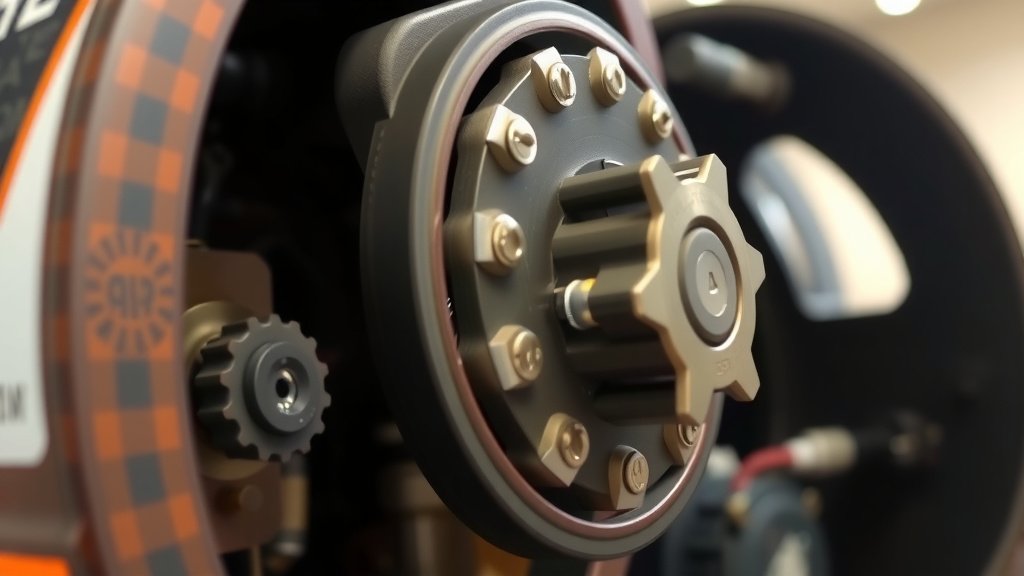
If your belt tension isn’t quite right, you’ll need to make an adjustment. This usually involves repositioning the motor on its mounting plate. Most air compressors have an adjustable motor mount. This allows you to slide the motor forward or backward to increase or decrease belt tension.
Loosening a Tight Belt
If your belt is too tight, you’ll need to create more slack. First, loosen the bolts that secure the motor to its mounting bracket. Then, carefully slide the motor *away* from the pump. As you increase the distance between the motor and pump pulleys, the belt will loosen. Once you have a little more slack, try the 1/2-inch deflection test again. If it feels right, snug up the motor mounting bolts.
Tightening a Loose Belt
If your belt is too loose, you need to reduce the distance between the motor and pump pulleys. Again, loosen the motor mounting bolts. This time, slide the motor *closer* to the pump. This will take up the slack in the belt. Perform the 1/2-inch deflection test regularly as you adjust. When you feel you’ve reached the correct tension, securely tighten the motor mounting bolts. It’s important that the motor doesn’t shift under load.
Double-Checking Your Work
After any adjustment, it’s critical to double-check. Ensure all motor mounting bolts are tight and the motor is stable. Then, re-perform the 1/2-inch deflection test. If you’re confident it’s correct, you can then spin the pulleys by hand a few times. Listen for any unusual noises like grinding or squealing. If everything sounds good, you can then start the compressor for a short test run.
When to Check Your Belt Tension
Belt tension isn’t a “set it and forget it” thing. Belts can stretch over time, especially when they are new or after they’ve been replaced. We recommend checking your belt tension periodically.
Here’s a quick checklist:- After installing a new belt: Always check tension immediately.
- After adjusting the motor: Confirm the tension is correct.
- If you hear squealing: This is a clear sign of slippage.
- If performance drops: Less air output could mean a loose belt.
- Regular maintenance: Check at least every 6 months.
Keeping an eye on your air compressor belt tension is a simple maintenance task that pays off. You’ll enjoy better performance, fewer unexpected breakdowns, and a longer-lasting machine. It’s all about that perfect 1/2-inch give!
Conclusion
You’ve learned that achieving the right air compressor belt tension is more art than exact science, but there’s a clear standard. Remember, about 1/2 inch of give is your golden rule for optimal performance and longevity. Avoid the pitfalls of a loose belt leading to slippage and inefficiency, or a belt that’s too tight, which can prematurely wear out your motor and pump bearings. By performing regular checks and making small adjustments as needed, you’ll ensure your air compressor runs smoothly and reliably for years to come. Your next step is to grab a flashlight, check your compressor’s belt tension, and make any necessary adjustments!
Frequently Asked Questions
What happens if my air compressor belt is too loose?
A loose belt will slip on the pulleys, causing inefficient power transfer. You might hear a squealing noise, especially when the compressor starts or is under load. This slippage means your compressor won’t build pressure as quickly or effectively, and it can lead to premature belt wear and heat damage.
Can a belt that’s too tight damage my air compressor?
Yes, absolutely. A belt that’s overtightened puts excessive strain on the motor and pump bearings. This can cause them to wear out much faster than they should, leading to costly repairs. It can also overstretch the belt itself, reducing its lifespan.
How often should I check my air compressor belt tension?
It’s wise to check your belt tension at least every six months as part of your regular maintenance routine. You should also check it immediately after installing a new belt, after adjusting the motor, or if you notice any squealing or a drop in performance.
Is the 1/2-inch rule of thumb accurate for all air compressors?
The 1/2-inch deflection rule is a reliable guideline for most common air compressor belts and is widely accepted. However, for specific or high-performance models, always consult your owner’s manual. Manufacturers may provide more precise tension specifications for their equipment.
What should I do if I hear my air compressor belt squealing?
Belt squealing is a classic sign of slippage, usually caused by a belt that is too loose. Your first step should be to turn off and unplug the compressor, then check the belt tension. You’ll likely need to adjust the motor position to tighten the belt until it has the proper 1/2 inch of give.