Air Compressor Tank Thickness: What You Need to Know
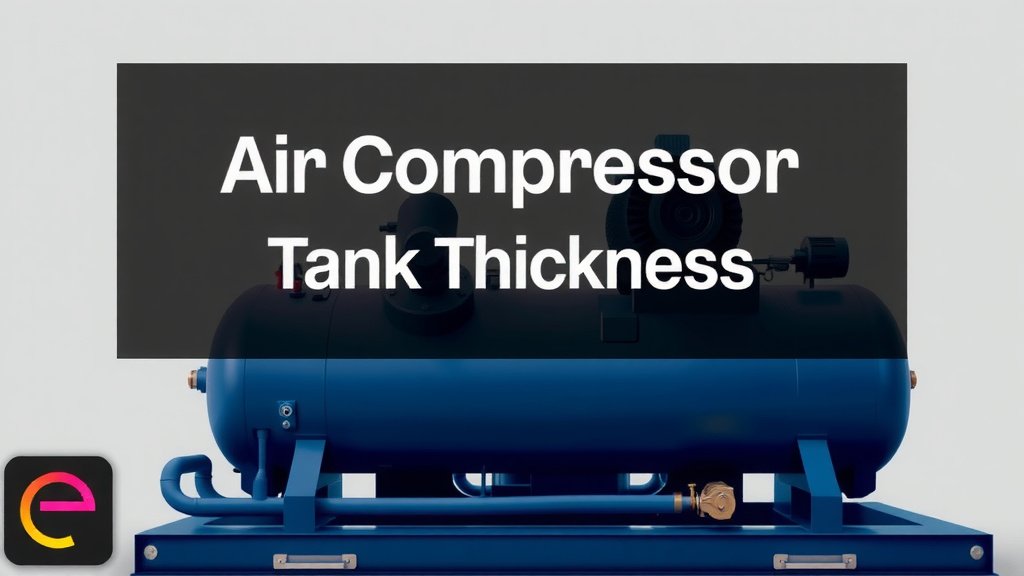
The thickness of an air compressor tank isn’t measured in inches or millimeters but rather by its PSI rating and the gauge steel it’s made from. This rating tells you the maximum pressure the tank can safely hold. Different tanks are designed for different needs and safety standards, so there’s no single “thickest” size for all situations.
When you’re looking at an air compressor tank, you’re really looking at its durability and safety. A thicker gauge steel generally means a stronger tank. Many tanks are constructed from cold-rolled steel, which is known for its strength and consistent quality, ensuring they can withstand the necessary pressure.
- Air compressor tank thickness is primarily about pressure rating (PSI).
- Thicker steel gauge usually means a more robust tank.
- Cold-rolled steel is a common and strong material used.
- Tank thickness ensures safe operation under pressure.
Let’s dive into what makes an air compressor tank tough and how to choose the right one for your projects.
Understanding Air Compressor Tank Durability
When we talk about how “thick” an air compressor tank is, we’re really discussing its ability to safely hold pressurized air. This isn’t about a simple measurement in inches, but more about the quality of the material and the pressure it’s designed to handle. Think of it like a soda can: a thin can might hold a bit of fizz, but a sturdy one can take a lot more. We found that the steel gauge is the key factor here.
The Role of Steel Gauge
The gauge of the steel used in an air compressor tank is a critical indicator of its strength. We found that a lower gauge number means thicker steel. For example, a 10-gauge steel tank is thicker and generally stronger than a 14-gauge steel tank. This thicker material can better withstand the constant stress of air pressure without deforming or failing.
Most reputable manufacturers use cold-rolled steel for their tanks. This process creates a stronger, more consistent material than hot-rolled steel. Many experts say cold-rolled steel offers better surface finish and tighter tolerances, which are important for safety in pressure vessels (American Society of Mechanical Engineers).
Pressure Ratings: The Real Measure of Strength
While steel gauge tells you about the tank’s physical robustness, the PSI rating tells you the maximum pressure it can safely contain. This is the number you’ll see printed on the tank, usually alongside safety certifications. A tank rated for 150 PSI is built to handle that level of internal pressure reliably. You never want to exceed this limit.
We found that many home or small workshop compressors have tanks rated between 120 and 175 PSI. Larger, industrial-grade compressors might have tanks designed for much higher pressures. It’s essential to match the tank’s PSI rating to the requirements of the air tools you plan to use. Running out of air because your tank can’t keep up is frustrating, but more importantly, exceeding a tank’s safety limits is dangerous.
What Makes a Tank Stronger?
Beyond just the steel gauge and PSI rating, several other factors contribute to an air compressor tank’s overall durability and safety. These are the aspects that manufacturers focus on to ensure their products last and operate without issues.
Material Quality and Construction
As mentioned, the type of steel matters. We found that cold-rolled steel is favored for its strength and predictability. Manufacturers also pay close attention to the welding. High-quality, consistent welds are vital for containing pressure. A weak or inconsistent weld is a potential point of failure. We often see standards like those from the ASME Boiler and Pressure Vessel Code guiding these construction practices for safety.
Tank Design and Shape
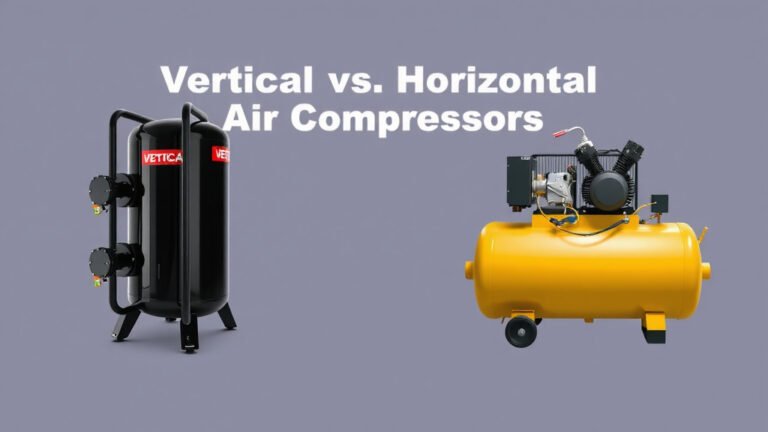
The shape of the tank can also play a role in its strength. While most common tanks are cylindrical, the way the ends are formed (often dished or hemispherical) helps distribute pressure evenly. This design prevents stress from concentrating in any single area. A well-designed tank can handle higher internal pressures more efficiently than a poorly designed one, even if they’re made of similar materials.
Corrosion Resistance
Air compressor tanks hold air, but condensation can form inside, especially in humid environments. This water can lead to rust, weakening the tank over time. Many tanks are made with internal coatings or are constructed from materials that resist corrosion. Regular draining of the tank is a simple but effective way to prevent this internal damage. We found that neglecting this can significantly shorten a tank’s lifespan.
Comparing Tank Thicknesses and Uses
The thickness, as represented by gauge and PSI rating, directly influences where a tank is best suited. Let’s break down common scenarios.
Light-Duty Tanks (e.g., 1-6 Gallons)
These smaller tanks are often found on portable compressors. They might use a slightly lighter gauge steel, but are designed for lower PSI ratings, typically around 100-130 PSI. Their main advantage is portability. They are great for occasional tasks like inflating tires, powering brad nailers, or small upholstery jobs. We found their strength is sufficient for these intended, lower-demand applications.
Medium-Duty Tanks (e.g., 10-30 Gallons)
Stepping up in size, these tanks usually feature thicker steel, often in the 12-14 gauge range, and higher PSI ratings, commonly 150-175 PSI. They offer a good balance for DIYers and small workshops. You can run impact wrenches, small spray guns, or multiple nailers with these. The increased volume and higher pressure capability mean longer run times for your tools.
Heavy-Duty Tanks (e.g., 60+ Gallons)
These are the workhorses. They use the thickest gauge steel, sometimes as low as 8 or 10 gauge, and are built for sustained high pressure (often 175 PSI or more). They are designed for continuous use in professional garages or busy workshops. Their substantial size and robust construction allow them to power larger air tools and run for extended periods without the compressor cycling too frequently.
We found that the choice often comes down to your specific needs. Do you need something to move around the job site, or something to stay put and deliver consistent power all day?
Key Considerations for Your Tank
When you’re assessing an air compressor tank’s thickness and overall suitability, keep these points in mind. They will help you make an informed decision and ensure you get a safe, reliable product.
- Check the PSI Rating: Always know the maximum pressure the tank is built for.
- Inspect the Steel Gauge: A lower gauge number means thicker, stronger steel.
- Look for Welds: Ensure welds are clean, uniform, and appear professionally done.
- Consider the Volume: Match the tank size (gallons) to the air demands of your tools.
- Understand the Material: Cold-rolled steel is generally preferred for its strength.
- Drain Regularly: Prevent rust and corrosion by draining condensation after each use.
Conclusion
You’ve learned that air compressor tank “thickness” is really about its steel gauge and PSI rating, not a simple measurement. A lower gauge number means thicker steel, built to handle higher pressures safely. We found that material quality like cold-rolled steel and solid welds are key to durability. Tank design and corrosion resistance also play a part in longevity. Your choice depends on your specific tool needs and usage. Now that you understand these factors, you can confidently select the right air compressor tank for your projects. Always prioritize safety and match the tank’s capabilities to your tasks.
Frequently Asked Questions
What is the difference between steel gauge and PSI rating for air compressor tanks?
The steel gauge refers to the physical thickness of the metal used to construct the tank; a lower gauge number means thicker steel. The PSI rating, on the other hand, indicates the maximum internal pressure the tank is designed to safely hold. Both are critical for understanding a tank’s strength and safety limits.
Does a thicker steel gauge tank always mean it can handle more pressure?
Generally, yes. Thicker steel (lower gauge number) is more robust and better equipped to withstand higher internal pressures without deforming or failing. However, the tank’s design and the manufacturer’s engineering also play a role in its overall pressure handling capability.
Are all air compressor tanks made from the same type of steel?
Most reputable manufacturers use cold-rolled steel for their air compressor tanks. This material is favored for its strength, consistent quality, and superior surface finish compared to hot-rolled steel. This consistency is important for safety in pressure vessels.
How often should I drain condensation from my air compressor tank?
It’s best practice to drain condensation from your air compressor tank after each use. This simple step helps prevent rust and corrosion from forming inside the tank, significantly extending its lifespan and maintaining its structural integrity.
Can I use an air compressor tank rated for a lower PSI with tools that require higher pressure?
Absolutely not. You should never exceed a tank’s maximum PSI rating. Using tools that require higher pressure than your tank is rated for is extremely dangerous and can lead to tank failure. Always match your tank’s capabilities to your tool requirements.