Convert Air Compressor to Pressure Washer: A Guide
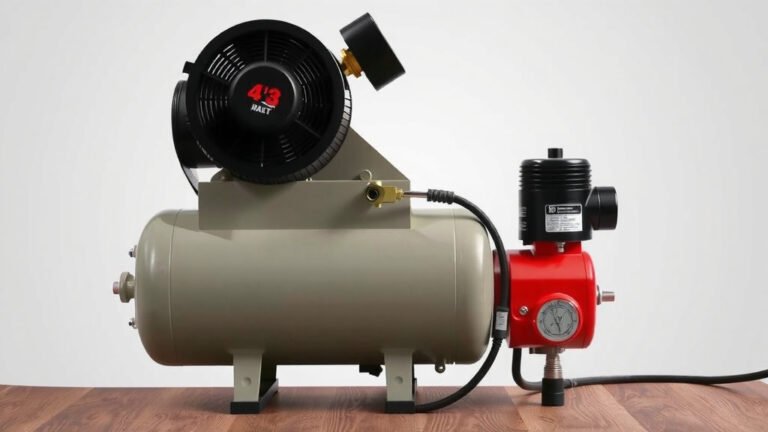
Yes, you can often convert an air compressor into a pressure washer, but it’s not a simple swap. You’ll need a special pressure washer pump and a few other parts. This setup lets you use your existing compressor’s motor and tank for cleaning tasks.
Many DIYers find this conversion project rewarding. It can be a cost-effective way to get a pressure washer without buying a whole new machine. You just need to understand the basic principles and gather the right components. We’ve researched the common methods to help you out.
- You can convert an air compressor to a pressure washer.
- This requires adding a pressure washer pump.
- It’s often cheaper than buying a new unit.
- You’ll need specific parts like a pump and unloader valve.
- Safety is super important during this DIY project.
Let’s walk through exactly how this works and what you’ll need to get your air compressor ready to blast away grime.
Transforming Your Air Compressor into a Pressure Washer
So, you’re wondering if your trusty air compressor can handle a new job – becoming a pressure washer? The short answer is yes, you absolutely can. It’s a pretty neat DIY project that can save you money. We’ve looked into how this works, and it’s all about adding a special pump to your existing setup. You get to keep the motor and tank you already own, which is a big win!
The Core Concept: What Makes a Pressure Washer Work?
At its heart, a pressure washer needs two main things: a motor to power a pump and a pump to increase water pressure. Your air compressor already has the motor and the tank. The part you’re missing is the specialized pump designed to handle water and create that high-pressure stream. Think of your air compressor’s motor as the engine. We just need to attach a different kind of transmission (the water pump) to it.
Why Not Just Buy a Pressure Washer?
It’s a fair question! Buying a new pressure washer can be expensive. For many people, a DIY conversion is a more affordable route. You’re essentially repurposing equipment you already have. This means fewer new parts to buy and less waste, which is good for your wallet and the environment.
Gathering Your Pressure Washing Parts
This is where the real work begins. You can’t just hook a hose up to your air compressor and expect high-pressure water. You’ll need specific components. We found that the most critical piece is the pressure washer pump itself. These are designed to take a water supply and, with the force from your motor, turn it into a powerful cleaning jet.
The Essential Components You’ll Need:
- Pressure Washer Pump: This is the heart of your new machine. Look for one that matches the horsepower of your air compressor motor.
- Unloader Valve: This is a safety feature. It redirects water flow when you release the trigger, preventing pressure buildup that could damage your pump or hoses.
- Hoses: You’ll need a high-pressure hose suitable for water, not air. Make sure it can handle the PSI your pump will generate.
- Fittings and Adapters: These connect the pump to your water source, the motor, and the high-pressure hose.
- Water Inlet: A way to connect your garden hose to the pump for a steady water supply.
- Frame or Mounting System: A way to securely attach the pump and motor together.
Connecting the Pump to Your Air Compressor Motor
This is the trickiest part of the project. You need to connect the pressure washer pump to your air compressor’s motor shaft. Most electric air compressors have a standard motor shaft. You’ll need a pump with a compatible drive system, often a keyed shaft or a direct drive coupler. Some kits come with the necessary adapters. We found that precise alignment is key here. If the pump and motor shafts aren’t lined up perfectly, you can cause damage to both components.
Mounting the Pump:
You’ll likely need to build a simple frame. Wood or metal can work. The goal is to keep the pump and motor securely in place. This prevents vibration from shaking things loose. Stability is super important for safety. A wobbly setup is a recipe for disaster.
Setting Up the Water Supply and Outlet
Your new pressure washer will need a constant flow of water. You’ll connect a garden hose to the pump’s inlet. Make sure the water supply is adequate for the pump’s needs. If the pump runs dry, it can overheat and fail quickly. We found that keeping the garden hose kink-free is essential. A blocked inlet hose can starve the pump of water.
Connecting the High-Pressure Hose:
The outlet port on the pump is where your high-pressure hose attaches. Again, use the right fittings. These need to be rated for high pressure. A standard garden hose fitting won’t cut it here. You’ll then attach your spray wand to the other end of the high-pressure hose.
Understanding the Unloader Valve’s Role
The unloader valve is a critical safety component. When you squeeze the trigger on your spray wand, water flows through the pump and out at high pressure. When you release the trigger, the flow stops. The unloader valve senses this change. It then reroutes the high-pressure water back to the pump’s inlet or a bypass line. This prevents the pressure from building up to dangerous levels when the trigger isn’t engaged. Many experts say this is a non-negotiable part for any pressure washer build (National Fire Protection Association).
Safety First: Always Prioritize Safety
Working with electricity and high-pressure water requires extreme caution. We can’t stress this enough: safety is paramount. Always disconnect power before making any adjustments. Wear safety glasses to protect your eyes from debris and water spray. Ensure all connections are secure and leak-free. If you’re unsure about any step, it’s better to consult a professional or a knowledgeable friend.
Electrical Considerations:
If your air compressor is electric, be mindful of wiring. Ensure all connections are properly insulated. Water and electricity are a dangerous mix. Keep all electrical components dry and protected from the elements. If your compressor has a GFCI plug, make sure your setup maintains this safety feature.
Pressure Ratings:
Know the pressure ratings of all your components – the pump, the hoses, the fittings. They all need to be able to handle the output pressure of your pump. Exceeding these ratings can lead to catastrophic failure and serious injury. Many pump manufacturers provide charts showing recommended motor sizes and maximum pressures (a common guideline found in pump manuals).
A Quick Checklist Before You Start:
- Confirm your air compressor motor’s horsepower and RPM. Knowing your air compressor motor’s horsepower is key for selecting compatible parts.
- Select a pressure washer pump that matches your motor specs.
- Gather all necessary fittings, hoses, and the unloader valve.
- Plan your mounting system for secure attachment.
- Prioritize electrical safety and proper grounding.
- Always wear appropriate safety gear.
Conclusion
You can absolutely transform your air compressor into a functional pressure washer with the right parts and careful assembly. The key is adding a dedicated pressure washer pump and an unloader valve for safety. This DIY project can be a smart way to save money compared to buying new. We found that meticulous attention to mounting and electrical safety is essential for a successful and safe conversion. Before you start, double-check your compressor’s motor specs and select compatible components. With proper planning and execution, you’ll have a powerful new cleaning tool ready for action.
Frequently Asked Questions
Can I use any air compressor pump for a pressure washer?
No, you cannot use the air pump from your compressor for a pressure washer. You need a specialized pressure washer pump designed to handle water and create high pressure. Your compressor’s motor will power this new pump.
What is the minimum horsepower air compressor needed?
Generally, a 2 HP or higher electric air compressor motor is recommended to adequately power a pressure washer pump. For gas engines, aim for 5 HP or more. Always check the pump manufacturer’s recommendations for compatibility.
How do I connect the pressure washer pump to the motor?
You’ll typically use a direct drive coupler or a keyed shaft connection to link the pressure washer pump to your air compressor motor’s shaft. Precision alignment is critical to prevent damage to both components.
Is it safe to convert an air compressor to a pressure washer?
Yes, it can be safe if done correctly. The most important safety feature is the unloader valve, which prevents dangerous pressure buildup. Always wear safety glasses and ensure all electrical connections are protected from water.
What kind of hoses should I use?
You need high-pressure hoses rated for water, not air. Standard garden hoses won’t work for the high-pressure side. Ensure all your hoses and fittings can handle the PSI your new pump is capable of producing.