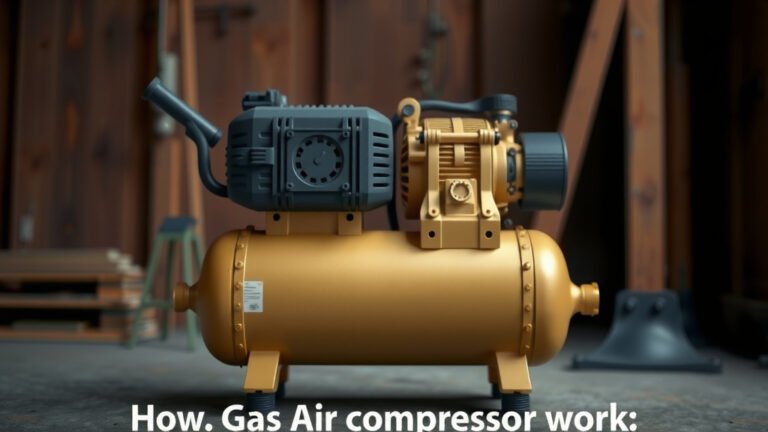
AC Compressor to Air Compressor Conversion Guide
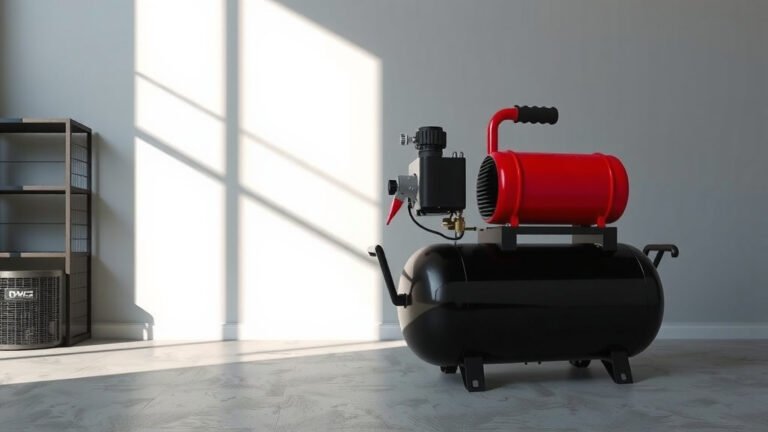
Yes, you can absolutely convert an old automotive A/C compressor into a functional air compressor for your workshop or home projects. Many DIYers have successfully repurposed these readily available units to create an affordable compressed air source. It’s a smart way to give old car parts a new life.
While it might sound like a big project, the core of an A/C compressor is very similar to a standard air compressor pump. You’ll need to make a few key modifications and add some essential safety components. We found that with the right approach, you can build a reliable air source without breaking the bank.
- You can turn an A/C compressor into an air compressor.
- It’s a common DIY project.
- You’ll need to make modifications and add safety parts.
- It’s a cost-effective way to get compressed air.
Ready to see how it’s done? Let’s walk through the steps to convert your A/C compressor into a working air compressor.
Repurposing Your Car’s A/C Compressor for Air Compression Needs
You might be wondering if that old car air conditioning compressor gathering dust could actually be useful. The good news is, yes! With some clever modifications, you can transform it into a functional air compressor. This is a fantastic project for home mechanics and DIY enthusiasts. You get a new tool for your workshop at a fraction of the cost of buying a new one. It’s a smart way to tackle projects like inflating tires, powering air tools, or even simple painting jobs.
Understanding the A/C Compressor’s Potential
An automotive A/C compressor’s job is to compress refrigerant gas. This process is quite similar to how an air compressor pump works. Both systems involve a piston or a similar mechanism that squeezes a gas. The main difference is the medium they handle and the pressures involved. You’re essentially swapping refrigerant for air. This makes it a viable candidate for conversion. Many people have reported success with this DIY upgrade.
Essential Components for Your A/C Compressor Conversion
To get your A/C compressor running as an air compressor, you’ll need more than just the compressor unit itself. You’ll need to gather a few key parts. Think of it like building a kit. Each piece plays a vital role in making the system safe and effective. We found that having all your parts ready beforehand makes the process much smoother.
The Compressor Unit
First, you need the A/C compressor from a vehicle. It’s best to use one that you know was working before it was removed. A working unit is much easier to convert than one with known issues. You’ll also want to make sure it’s a type that can handle continuous operation reasonably well. Some older clutch-driven compressors might not be ideal for prolonged use.
Power Source and Drive Mechanism
How will you spin the compressor? You’ll need a motor, typically an electric one, to drive the compressor shaft. The motor needs to be powerful enough to turn the compressor at the right speed. You’ll also need a way to connect the motor to the compressor. This is often done with pulleys and a belt. The ratio of the pulley sizes is important. It determines the speed at which the compressor operates. Too fast, and you risk damaging it. Too slow, and it won’t produce enough air.
Air Storage Tank
Compressed air needs a place to go. You’ll need an air tank to store the compressed air. Old propane tanks or certified pressure vessels can work. It’s absolutely critical that the tank is rated for the pressure you intend to use. Never use a tank that isn’t designed for compressed air. Safety first, always! You can often find suitable tanks at surplus stores or online.
Safety Features – Non-Negotiable!
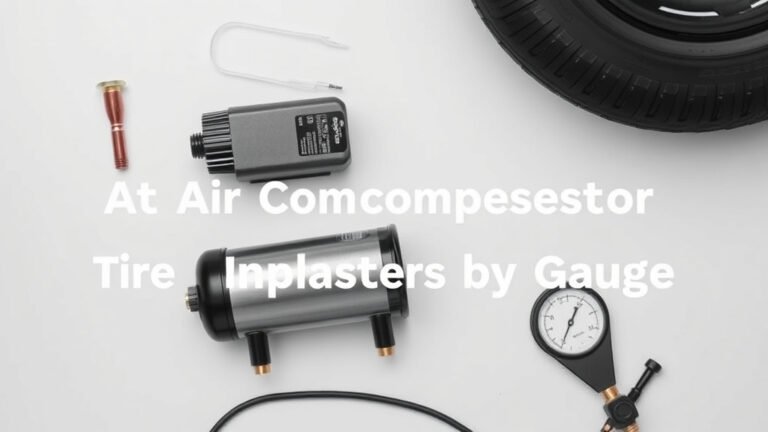
This is where safety comes into play, and it’s not something to skimp on. You absolutely need a pressure relief valve. This is a safety device that will automatically vent air if the pressure gets too high. It prevents the tank from rupturing. You’ll also need a pressure gauge to monitor the tank’s pressure. A regulator is also highly recommended. It allows you to control the output pressure for your tools. Many experts recommend using a check valve too. This prevents air from flowing back into the compressor when it stops. Our guide explains how to safely adjust your air compressor’s pressure relief valve.
Step-by-Step Conversion Guide (Overview)
Turning your A/C compressor into an air compressor involves a few main stages. It’s a project that requires some mechanical aptitude and attention to detail. Let’s break down the typical process. Remember, you’re not just assembling parts; you’re creating a pressurized system.
Preparation and Cleaning
First, thoroughly clean the A/C compressor. You want to remove any residual refrigerant oil or contaminants. Flushing it out with a solvent like brake cleaner is a good idea. Ensure all ports are clear. You’ll need to cap off any unused ports on the compressor. This prevents air leaks. Research the specific type of A/C compressor you have. Knowing its intake and outlet ports is essential.
Mounting and Drive System Assembly
Next, you’ll need to mount the compressor and your motor securely. A sturdy frame or base is necessary. This ensures stability during operation. Then, align the motor and compressor pulleys. Install the drive belt. Ensure the belt has the correct tension. It shouldn’t be too tight or too loose. A good pulley ratio is key here; research common ratios used in DIY air compressor builds.
Connecting the Air Lines and Safety Components
This is a critical phase. Connect the compressor outlet to the air tank using appropriate high-pressure hoses and fittings. Install the pressure relief valve, pressure gauge, and regulator onto the tank or a manifold. A check valve should be placed between the compressor outlet and the tank inlet. Make sure all connections are airtight. Leaks reduce efficiency and can be dangerous. Use thread sealant tape (PTFE tape) on all threaded fittings.
Testing Your New Air Compressor
Once everything is connected, it’s time for a cautious test run. Start the motor and let the compressor run. Watch the pressure gauge. You want to see the pressure slowly rise in the tank. Don’t let it exceed the safe working pressure of your tank. If the pressure relief valve opens, the tank is over-pressurized. That means something is wrong with your setup or your regulator. Listen for any unusual noises. Check for leaks. If everything looks good, slowly release some air through the regulator to test its function.
Important Safety Considerations and Best Practices
We can’t stress safety enough. Working with compressed air carries risks. Always use components rated for the pressures you’re dealing with. The ASME (American Society of Mechanical Engineers) provides standards for pressure vessels. Ensure your tank meets these or similar safety standards. Never stand directly over the tank while it’s under pressure. Regularly inspect all hoses and fittings for wear or damage. A burst hose can cause serious injury. Many guidelines point to regular maintenance as key to safety (OSHA).
Checklist for Your A/C Compressor Conversion
Before you begin, or as you gather your parts, use this checklist to ensure you have what you need:
- Working automotive A/C compressor
- Electric motor with appropriate power
- Pulleys and drive belt
- Sturdy mounting frame or base
- Certified air receiver tank
- Pressure relief valve (essential safety device!)
- Pressure gauge
- Air regulator
- Check valve
- High-pressure hoses and fittings
- Thread sealant tape
Conclusion
You’ve learned that converting an old automotive A/C compressor into a functional air compressor is a totally achievable DIY project. It’s a smart way to save money and repurpose parts. Remember, success hinges on careful preparation, using the right components, and prioritizing safety. You’ll need a motor, tank, and essential safety features like a pressure relief valve. With these elements in place, you can build a reliable air source for your workshop. Your next step? Gather your parts and start planning your build!
Frequently Asked Questions
How much pressure can a converted A/C compressor realistically produce?
The pressure an A/C compressor conversion can achieve depends heavily on the specific compressor model, the motor’s power, and the pulley ratio you use. Many DIYers find they can reach pressures suitable for basic air tools, typically in the 100-150 PSI range, but always monitor your tank’s pressure rating and safety valve.
What’s the best type of A/C compressor to use for this conversion?
Generally, piston-type A/C compressors are often preferred for air compressor conversions because their internal mechanism is more robust for handling air. While scroll and vane types exist, they might not be as durable for continuous air compression compared to piston designs.
Do I need to lubricate the A/C compressor when using it for air?
Yes, you absolutely need to lubricate the compressor. Automotive A/C compressors rely on refrigerant oil for lubrication. For air compression, you’ll need to introduce a compatible compressor oil into the system. Research the specific needs of your compressor model to ensure proper lubrication.
Is it safe to use an old propane tank as an air receiver?
Using an old propane tank requires extreme caution and proper preparation. You must ensure it’s completely purged of all flammable residue and certified for compressed air use. Many people opt for tanks specifically designed as air receivers or industrial pressure vessels to guarantee safety standards are met.
What are the risks of not using a pressure relief valve?
Not using a pressure relief valve is extremely dangerous. If the compressor or regulator fails, the air pressure inside the tank can build up beyond its safe limit, potentially causing the tank to rupture or explode. This can result in severe injury or property damage.