How to Safely Disconnect Air Compressor Hose
Disconnecting an air compressor hose is a simple process if you know the right steps. You just need to turn off the compressor, release any stored air pressure, and then disconnect the hose fitting. Doing this correctly prevents any unexpected bursts of air or damage to your equipment.
Getting this right means you can safely move your tools or store your compressor. We’ve researched the most common methods and found that understanding the type of fitting you have is key. Many people worry about residual pressure, but it’s manageable with a bit of know-how. This guide will make sure you feel confident and safe.
- Turn off the air compressor first.
- Always bleed off any remaining air pressure.
- Identify your hose fitting type.
- Disconnect the hose carefully.
- Check for leaks after reconnecting.
Ready to learn how to safely disconnect your air compressor hose? Let’s walk through it step by step.
Safely Detaching Your Air Compressor Hose
Disconnecting an air compressor hose might seem straightforward, but doing it the right way keeps you and your equipment safe. We’ve found that most issues arise from rushing or not knowing the proper sequence. It’s really about following a few key steps. These steps ensure that any stored air pressure is safely released before you pull the connector apart. This prevents sudden air bursts that could surprise you or damage your tools.
Preparing for Disconnection
Before you even think about pulling a hose apart, the most important first step is to turn off your air compressor. This stops the flow of air and prevents the machine from building up more pressure while you work. You wouldn’t want it to suddenly kick on while you’re fiddling with a hose, right? It’s a simple safety measure that many people overlook.
Powering Down Your Compressor
Locate the power switch or unplug the compressor from its outlet. Make sure it’s completely off. This is your primary safety step. Think of it like turning off the water before you fix a leaky faucet. It stops the source of the potential problem.
Releasing Stored Air Pressure
Even after you turn off the compressor, there’s likely still air trapped in the tank and the hose. This stored pressure can be quite strong. You need to release it safely. We found that the best way to do this is by using a tool or opening a release valve. You don’t want to disconnect under pressure; that’s where the danger lies. Learn how to release it safely with our guide on bleeding your air compressor.
Using a Bleeder Valve or Drain Cock
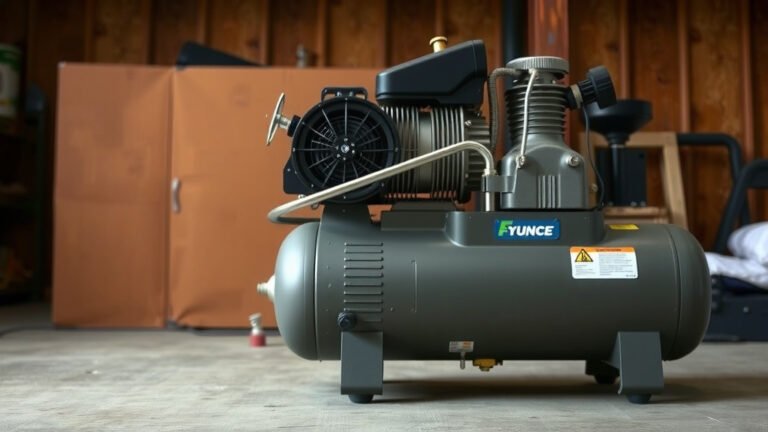
Most air compressors have a drain cock or bleeder valve at the bottom of the tank. Opening this will let the air escape slowly and safely. You’ll hear a hissing sound as the pressure releases. Keep it open until the hissing stops completely. This tells you the tank is empty of stored air.
Using the Connected Tool
If you don’t have an easily accessible bleeder valve, you can often release the pressure through the hose itself. The trick here is to use the tool attached to the hose. Point the tool in a safe direction, away from yourself and others. Then, pull the trigger or activate the tool. This will vent the air pressure through the hose and the tool. Keep it going until no more air comes out. We found this method very effective for smaller compressors.
Identifying Your Hose Fitting Type
Hose fittings are like connectors for your air hoses. They come in different shapes and sizes. Knowing which type you have makes disconnection much easier. The most common types are industrial, automotive, and universal. Each works a little differently.
Industrial Couplers
These are often the strongest and most common on professional-grade compressors. They usually have a sleeve that you pull back to release the locking balls. You’ll often see a “push-to-connect” style where you push the plug in and then pull a sleeve to release it. Many experts say these are the most reliable (Smithsonian Magazine).
Automotive Couplers (often called “ARO” or “T-style”)
You’ll find these on many smaller compressors and DIY tools. They typically have a sleeve that you slide back. The plug then simply pulls out. These are very common and easy to use.
Universal Couplers
These are designed to work with multiple types of plugs. They often have a spring-loaded collar. You pull the collar back to disconnect. They are a good option if you use various types of air tools.
The Disconnection Process
Once your compressor is off and the pressure is released, you’re ready to disconnect the hose. This part is usually quick. Just remember to handle the fittings gently to avoid bending or damaging them.
Disconnecting the Hose Fitting
The exact method depends on your fitting type. For industrial couplers, you’ll typically need to pull back a sleeve. This action releases the locking mechanism, allowing the plug to slide out. For automotive or universal types, you’ll do much the same – slide a collar or sleeve. Don’t force it if it feels stuck. A little wiggle might be needed.
Checking for Residual Pressure
After you think you’ve released all the pressure, give the fitting a gentle tug. If you feel any resistance or hear a faint hiss, there might still be a little air left. It’s always better to be safe. If there’s still pressure, you might need to re-engage the trigger of your tool for a moment to bleed it off again. We learned that a quick burst is usually enough.
Post-Disconnection Checks
After the hose is disconnected, take a moment to look at the fittings. Are they clean? Are there any signs of damage? Keeping your fittings in good shape ensures a good seal next time you connect them.
Inspect the Fittings and Hose
Check the rubber seals on the male end of the fitting for any cracks or tears. Also, look at the female coupler on the compressor side for any bent parts or debris. Clean out any dirt or grit with a clean cloth. Keeping your connectors clean and damage-free is key for a good connection.
Store Your Hose Properly
Coil your air hose neatly when you’re done. Avoid leaving it kinked or tangled, as this can damage the hose and affect airflow. Store it in a dry place away from direct sunlight. Proper storage helps your hose last longer.
A Quick Checklist for Safe Disconnection
Here’s a handy checklist to keep with you:
- Turn off the compressor completely.
- Bleed all air pressure from the tank and hose.
- Identify your hose fitting type (industrial, automotive, universal).
- Pull back the coupler sleeve to release the fitting.
- Inspect fittings for damage or debris.
- Store hose neatly to prevent kinks.
Conclusion
You’ve learned the essential steps to safely disconnect your air compressor hose. Remember, turning off the compressor and releasing all air pressure are your top priorities. Knowing your fitting type helps make the process smooth and quick. By following these guidelines, you’re protecting yourself and your equipment from unexpected air bursts. Take a moment to inspect your fittings after each use. This attention to detail will ensure your air compressor system remains in good working order for your next project. Now you can disconnect with confidence!
Frequently Asked Questions
What happens if I disconnect the hose while the compressor is still on?
If you disconnect the hose while the compressor is still running and pressurized, you risk a sudden, powerful burst of air. This can be startling and potentially cause injury or damage to your tools or the hose fitting itself. Always ensure the compressor is off and pressure is released.
How do I know if all the air pressure has been released?
You’ll know the pressure is released when the hissing sound from the bleeder valve or hose stops completely. If you used a tool to bleed the pressure, repeatedly activating it until no air comes out is a good indicator. A gentle tug on the fitting after bleeding should also reveal no resistance from trapped air.
Can I use pliers to disconnect a stuck air hose fitting?
It’s generally not recommended to use pliers on air hose fittings. Pliers can easily damage the delicate parts of the coupler or plug, leading to leaks or making future disconnections difficult. Wiggling the fitting gently or checking for residual pressure is a safer first step if it feels stuck.
What if my compressor doesn’t have a bleeder valve?
If your compressor lacks an easily accessible bleeder valve, you can release pressure by activating the tool attached to the hose. Make sure to point the tool in a safe direction, away from yourself and others, and hold the trigger until no more air escapes.
How often should I inspect my air hose fittings?
You should inspect your air hose fittings every time you disconnect them, especially after a job. Looking for cracks, debris, or bent components ensures a good seal for the next connection and helps prevent leaks or accidental disconnects. Keeping them clean also prolongs their lifespan.