Air Compressor Balloon Inflation: A Quick Guide
Yes, you can inflate balloons with an air compressor, but you need to do it carefully. Using an air compressor is much faster than manual inflation. Just remember to use a low-pressure setting to avoid popping your balloons.
Inflating balloons with an air compressor can save you a lot of time, especially for parties or events. It’s a trick many people use for large balloon displays. We found that controlling the air flow is the most important step for success.
- Yes, you can use an air compressor.
- Use a low-pressure setting.
- Control the air flow carefully.
- It’s great for large balloon quantities.
Ready to speed up your balloon prep? Let’s walk through exactly how to use your air compressor safely and effectively for perfectly inflated balloons.
Inflating Balloons Using an Air Compressor Safely
So, you’re wondering if an air compressor can be your secret weapon for party prep? The answer is a resounding yes! It’s a fantastic way to inflate balloons quickly, especially when you have a mountain of them to get through. We’ve found it’s especially helpful for balloon arches or columns. However, this speed comes with a caveat: you absolutely must handle your compressor with care.
Understanding Your Air Compressor’s Settings
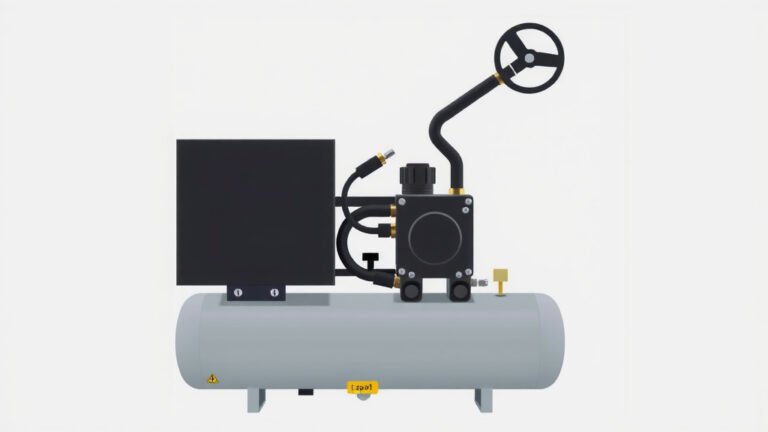
The biggest hurdle is managing the pressure. Standard air compressors can pack a powerful punch. If you blast a balloon with full force, it’s likely to pop. That’s why the pressure regulator on your compressor is your best friend. Many compressors have a dial or gauge that lets you control the air output. Research shows that typical latex balloons can handle a moderate amount of pressure, but exceeding that is a recipe for disaster (Balloon Artists Guild).
Finding the Right Pressure Level
We recommend starting with the lowest possible setting on your regulator. Think of it as a gentle puff of air. You can always increase it gradually if needed. Many experts suggest keeping the output pressure below 10 PSI. For most standard 11-inch latex balloons, this is more than enough to get them nicely rounded without stressing the material.
Essential Tools and Attachments
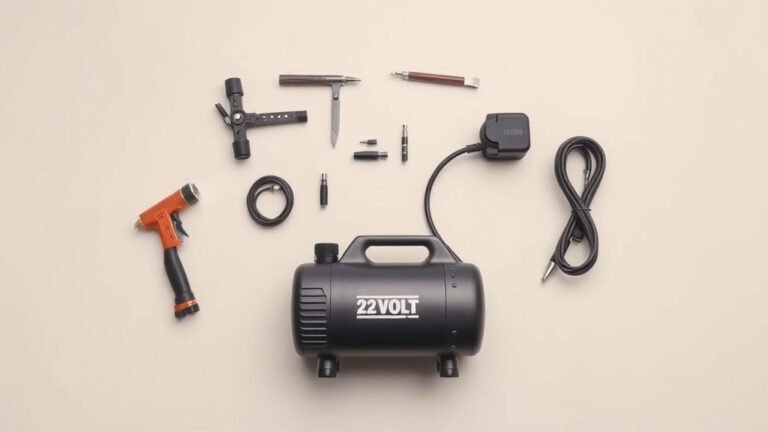
You can’t just hook a hose up and go. You’ll need a few specific items to make this work smoothly. Attaching the balloon to the compressor nozzle is key. Special balloon inflator nozzles are designed for this. They often have a rubber tip that fits snugly into the balloon’s opening, creating a seal.
Nozzle Types to Consider
You can find these nozzles at party supply stores or online. Some are simple push-to-inflate types, while others might have a small lever. We found that a nozzle with a good seal makes a huge difference. Less air escaping means faster inflation and less waste!
Connecting to Your Compressor
Ensure your chosen nozzle connects securely to your air compressor’s hose. Most compressors use standard fittings, so this is usually straightforward. Make sure the connection is tight to prevent leaks.
The Step-by-Step Process for Safe Inflation
Let’s get down to the nitty-gritty. Following these steps will help you avoid any balloon-related mishaps.
Step 1: Prepare Your Workspace and Compressor
First things first, find a good spot. You’ll want an open area, away from anything fragile. Set up your air compressor and ensure it’s plugged in and operational. Check that the tank has some air pressure built up, but don’t let it reach maximum capacity if you’re using a low-pressure setting for inflation.
Step 2: Adjust the Pressure Regulator
This is arguably the most critical step. Locate the pressure regulator on your compressor. Slowly turn the dial to set your desired output pressure. As mentioned, starting low is best. We’ve seen many people skip this, and the results weren’t pretty. Aim for that 5-10 PSI range for standard balloons.
Step 3: Attach the Balloon Nozzle
Take your specialized balloon inflator nozzle and connect it to the air hose from your compressor. Ensure it’s a secure fit. If it wiggles or seems loose, you might have a leak.
Step 4: Inflate the Balloon
Stretch the neck of your balloon slightly, then firmly place it over the tip of the balloon inflator nozzle. Many nozzles are designed to start airflow when you push the balloon onto them, or you might need to press a small lever. Inflate the balloon until it reaches your desired size. Don’t overfill it! You want it firm but still slightly pliable. Most experts advise against filling balloons until they are perfectly round, as this strains the latex (National Association of Balloon Artists).
Step 5: Detach and Tie
Once the balloon is filled, carefully remove it from the nozzle. You’ll need to act fast to pinch the neck closed before too much air escapes. Then, quickly tie a secure knot. Practice makes perfect here; you’ll get faster with each balloon.
Tips for Success and Avoiding Common Pitfalls
Even with the right steps, a few extra pointers can make your balloon-inflating experience much smoother. Think of these as our battle-tested wisdom.
Balloon Types and Material Considerations
Not all balloons are created equal. Standard latex balloons are generally fine. However, Mylar or foil balloons often have a self-sealing valve and might not work well with a standard compressor nozzle. Some sources suggest foil balloons require a slower, more controlled air release, which an air compressor might not provide easily (Party Planning Resources).
Double-Stuffing for Durability and Color
A neat trick many decorators use is “double-stuffing.” This involves inflating one balloon inside another. You first inflate the inner balloon slightly, tie it off, and then place it inside the outer balloon before inflating the outer one. This technique helps prevent popping and allows for unique color combinations. We found this is particularly useful when inflating many balloons in advance.
The ‘Pliable Test’ for Proper Inflation
We recommend the “pliable test.” When you think a balloon is full, gently squeeze it. If it feels hard as a rock and doesn’t give at all, it’s probably overinflated. A well-inflated balloon should have a little bit of give. This elasticity is what allows it to stretch and maintain its shape without bursting.
Working with Helium vs. Air
It’s important to remember that an air compressor fills balloons with regular air, not helium. If you need balloons to float, you’ll need a separate helium tank. Air-filled balloons are perfect for balloon arches, garlands, and decorative displays where they are supported or attached.
A Quick Checklist for Compressor Inflation
- Check your pressure regulator before you start.
- Use a specialized balloon inflator nozzle.
- Start with the lowest pressure setting.
- Gently squeeze balloons to check for proper inflation.
- Tie knots securely and quickly after filling.
- Always work in a well-ventilated area.
Conclusion
You’ve learned that inflating balloons with an air compressor is totally doable and a huge time-saver for your next event. The key is always controlling the pressure. Remember to use your compressor’s regulator to keep the output low, ideally between 5-10 PSI. A specialized balloon inflator nozzle is also essential for a good seal and efficient filling. With these precautions, you can speed through your balloon prep and create stunning displays without the hassle. Ready to tackle that party prep with confidence? Go ahead and give it a try!
Frequently Asked Questions
Can I use any air compressor to inflate balloons?
Yes, but you must use a compressor with a pressure regulator. Standard compressors can be too powerful on their highest settings. Always adjust the regulator to a low PSI before connecting a balloon. Research suggests keeping it below 10 PSI for most latex balloons.
What kind of nozzle do I need for my air compressor?
You’ll need a specialized balloon inflator nozzle. These are designed to fit snugly onto the balloon’s opening. They help create a good seal, allowing you to inflate efficiently. You can find them at party supply stores or online retailers.
What happens if I use too much pressure?
Using too much pressure will likely cause the balloon to pop almost instantly. It can be quite startling! Always start with the lowest pressure setting on your regulator and increase it only slightly if necessary. A gentle, controlled fill is the goal.
Are air compressors safe for foil or Mylar balloons?
It’s generally trickier with foil or Mylar balloons. They often have self-sealing valves and can be sensitive to sudden air pressure. We found that they might require a slower, more controlled air release than a typical air compressor easily provides. It’s often safer to inflate these manually.
How do I know when the balloon is inflated enough?
Don’t inflate them until they are perfectly round and taut. A good method is the “pliable test.” Gently squeeze the balloon; it should have a little give. Overinflated balloons feel rock-hard and are more prone to popping. Aim for firm but slightly elastic.