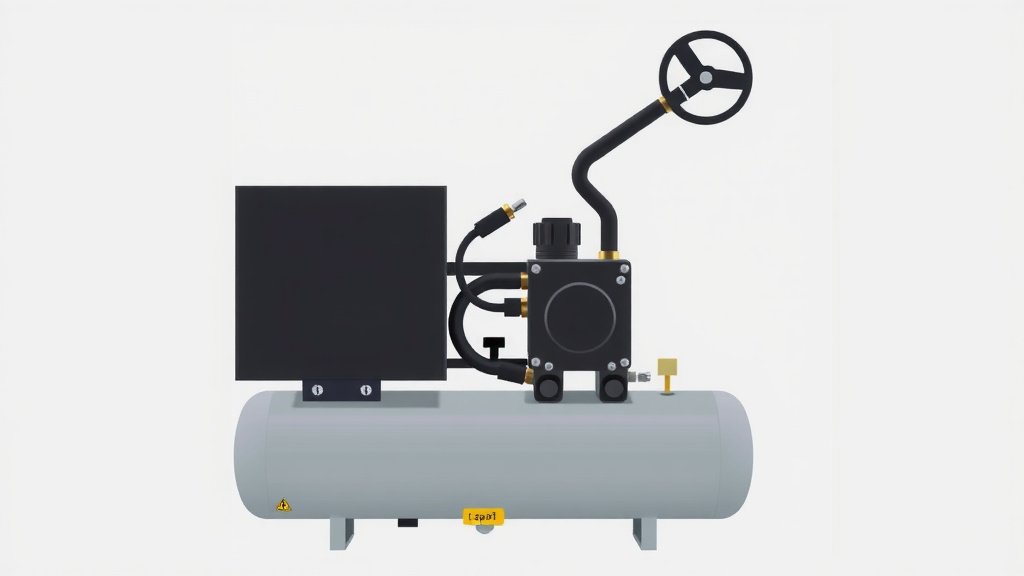
How Air Compressors Know When to Shut Off
An air compressor knows when to shut off thanks to a pressure switch. This clever device monitors the air pressure inside the tank. When the pressure reaches a preset maximum level, the switch tells the compressor motor to stop. It’s a simple yet effective way to prevent over-pressurization and ensure your compressor works safely.
Think of the pressure switch as the compressor’s guardian. It’s constantly checking the air you’ve stored. Without this automatic shut-off, your air tank could become dangerously overfilled. This simple mechanism is key to the reliable operation of most air compressors, keeping things running smoothly and safely for you.
- Air compressors use a pressure switch to know when to stop.
- This switch monitors the air pressure in the tank.
- It signals the motor to turn off when pressure reaches a set limit.
- This prevents overfilling and ensures safe operation.
Let’s walk through exactly how this essential component works, step by step.
Understanding Your Air Compressor’s Automatic Shut-Off
You’ve likely wondered how your air compressor magically knows when to stop working. It’s not magic at all! It’s a brilliant piece of engineering centered around a very important component. This device keeps your compressor from working too hard and ensures the air in your tank is at the right level. Let’s break down this clever mechanism.
The Pressure Switch: Your Compressor’s Brain
The heart of your air compressor’s automatic shut-off system is the pressure switch. Think of it like a thermostat, but for air pressure instead of temperature. It’s a small but mighty device that constantly monitors the air pressure building up inside your compressor’s storage tank. When that pressure hits a predetermined point, the switch acts like a messenger, telling the motor to take a break.
How the Pressure Switch Works
Inside the pressure switch, you’ll find a diaphragm or a bellows. This flexible component is directly exposed to the air pressure within the tank. As the compressor pumps air, the pressure inside the tank increases. This rising pressure pushes against the diaphragm. When the pressure gets strong enough, it forces the diaphragm to move.
Activating the Switch Mechanism
This movement of the diaphragm is the key. It’s connected to a set of electrical contacts. When the diaphragm moves far enough, it physically separates these contacts. This separation interrupts the electrical circuit that powers the compressor’s motor. Essentially, you’re pulling the plug on the motor, and it stops running.
Setting the Shut-Off Point
Most pressure switches have an adjustment mechanism. This allows you to set the maximum pressure at which the compressor will shut off. You’ll often see two main settings: the cut-in pressure and the cut-out pressure. The cut-out pressure is the one we’re most interested in for shutting off. Many manufacturers recommend specific settings based on the compressor’s design and intended use (Ingersoll Rand).
Understanding Cut-In and Cut-Out Pressures
The cut-out pressure is the maximum PSI (pounds per square inch) the tank will reach before the motor stops. The cut-in pressure is the lower PSI level that the tank must drop to before the motor starts up again. For example, a common setting might be a cut-out of 120 PSI and a cut-in of 90 PSI. This creates a working range for your compressed air.
Why This Automatic Shut-Off is So Important
This automatic shut-off is not just a convenience; it’s a vital safety feature. Imagine if your compressor just kept running indefinitely! The air pressure in the tank could build up to dangerous levels. Over-pressurization can lead to tank rupture, which is a serious hazard. The pressure switch prevents this from ever happening.
Preventing Over-Pressurization and Damage
By stopping the motor at a preset maximum, the pressure switch ensures you never exceed the tank’s safe operating limit. This protects the tank itself from damage and prevents any potential catastrophic failures. It’s a smart way to ensure the longevity of your equipment, too.
Maintaining Consistent Air Pressure
Another benefit is maintaining a relatively consistent supply of compressed air. The cycle of pumping up to the cut-out pressure and then dropping to the cut-in pressure means you have a usable range of air. This is important for tools and applications that rely on a steady air supply to function correctly. Without this, pressure could fluctuate wildly.
Beyond the Pressure Switch: Other Considerations
While the pressure switch is the primary component for shutting off, other factors can influence your compressor’s operation and safety. These might include thermal overload protection and check valves.
Thermal Overload Protection
Many electric air compressor motors are equipped with thermal overload protection. This is a secondary safety system. If the motor overheats due to prolonged running, heavy load, or a ventilation issue, this protection will kick in. It temporarily cuts power to the motor to prevent damage from excessive heat. It’s like a built-in “cool down” period for the motor itself. Once the motor cools down sufficiently, the overload protector usually resets automatically, allowing the compressor to start again.
The Role of Check Valves
A check valve is a one-way valve. In an air compressor system, it’s typically located between the pump and the tank. Its main job is to prevent compressed air from flowing back from the tank into the pump when the motor stops. This is crucial. It ensures that when the motor restarts, it’s pumping against atmospheric pressure, not the full pressure already in the tank. This makes it easier for the motor to start up and reduces strain on the pump and the pressure switch.

A Quick Checklist for Your Compressor’s Shut-Off
To keep your compressor running smoothly and safely, consider these quick checks:
- Ensure the pressure switch is set correctly.
- Listen for unusual noises when the compressor cycles.
- Check that the pressure gauge is reading accurately.
- Make sure the tank is draining regularly to prevent moisture buildup.
- Verify that the motor isn’t cutting off much earlier or later than usual.
- Confirm ventilation around the compressor is adequate for cooling.
Conclusion
You’ve learned that your air compressor doesn’t rely on guesswork to know when to stop. It’s all thanks to a dependable pressure switch. This component acts as your compressor’s watchful guardian, monitoring tank pressure and signaling the motor to shut off at a safe, preset maximum. This prevents over-pressurization, protects your equipment, and ensures a consistent air supply for your tools. Understanding this simple mechanism can give you more confidence in your compressor’s operation. Next time your compressor cycles off, you’ll know exactly why!
Frequently Asked Questions
Can I adjust the shut-off pressure on my air compressor?
Yes, most air compressors allow you to adjust the shut-off pressure. This is typically done via the pressure switch itself, often with a dial or screws to set the cut-out pressure. Always consult your compressor’s manual for specific instructions and recommended settings to ensure safe operation.
What happens if the pressure switch fails?
If your pressure switch fails, your air compressor might continuously run and not shut off. This can lead to dangerous over-pressurization of the tank, posing a serious safety risk. Some compressors also have a thermal overload protector as a backup safety measure.
How do I know if my pressure switch is working correctly?
You can tell your pressure switch is working if your compressor shuts off automatically at a consistent pressure level. If it fails to shut off, or shuts off too early or too late, the switch may need adjustment or replacement. Listening for the motor to run continuously is a clear sign of a problem.
Is the pressure switch the only thing that stops the compressor?
While the pressure switch is the primary component for shutting off based on tank pressure, other safety features exist. Thermal overload protectors can shut off the motor if it overheats, preventing damage. However, the automatic shut-off for reaching maximum air pressure is solely managed by the pressure switch.
Where is the pressure switch located on an air compressor?
The pressure switch is typically mounted on the top or side of the air compressor’s tank, near the air outlet and pressure gauge. It’s usually a small, box-like component with wiring leading to the motor and often has a lever or knob for pressure adjustments.