How a Reciprocating Air Compressor Works: A Detailed Look
A reciprocating air compressor works by using a piston moving back and forth inside a cylinder to draw air in and then compress it. Think of it like a bicycle pump, but powered by a motor. This process squeezes the air, making it ready for your tools or equipment. It’s a reliable method for generating compressed air.
We found that this type of compressor is known for its durability and ability to handle tough jobs. Unlike other types, it directly compresses air through mechanical action. This makes it a popular choice for many industrial and home applications that need consistent air pressure. It’s a workhorse in the world of air compression.
- Reciprocating compressors use a piston and cylinder.
- They draw air in and then squeeze it.
- This process creates high-pressure air.
- It’s a common and reliable compressor type.
Let’s walk through exactly how this reliable machine makes compressed air, step by step.
Understanding How Reciprocating Air Compressors Work
So, how does this workhorse actually create compressed air? It’s a fascinating mechanical process. We found that the core of a reciprocating compressor is its piston moving inside a cylinder. This piston acts much like your leg pumping a bicycle pedal, but in a continuous, powered motion.
The Basic Cycle: Intake and Compression
Imagine the piston starting at the top of the cylinder. As it moves downwards, it creates a larger volume within the cylinder. This downward motion opens an intake valve. Outside air is then drawn into the cylinder through this open valve.
Once the piston reaches the bottom of its stroke, it begins to move upwards. This upward movement closes the intake valve. As the piston travels back up the cylinder, it starts to squeeze the trapped air. This is where the compression happens. The air’s pressure begins to rise significantly.
The Role of Valves
Valves are critical components here. Typically, there’s an inlet valve and an outlet valve. The inlet valve lets air in but prevents it from escaping back out during compression. The outlet valve only opens when the air pressure inside the cylinder becomes high enough to overcome the pressure in the tank or discharge line.
Single-Stage vs. Two-Stage Compression
Some reciprocating compressors are single-stage. This means the air is drawn in, compressed once by a single piston, and then sent out. For many common tasks, this is perfectly adequate.
However, for applications needing higher pressures, you’ll find two-stage compressors. In a two-stage system, the air is first compressed by one piston (or cylinder) and then sent to a second, smaller cylinder. A second piston compresses the air further. This process boosts the pressure even higher than a single-stage unit. Many experts suggest two-stage models are more efficient for demanding jobs (U.S. Department of Energy). Many experts suggest two-stage models are more efficient for demanding jobs; our guide to 1 vs 2 cylinder air compressors explains why.
Intercooling: A Key Efficiency Booster
Compressing air generates heat. This heat can reduce efficiency. Two-stage compressors often feature an intercooler between the first and second stages. This device cools the air down. Cooler air is denser, allowing the second piston to compress it more effectively. We found that intercooling is a smart way to get more bang for your buck in terms of compressed air output.
| Stage | Action | Pressure |
|---|---|---|
| 1st Stage | Air drawn into cylinder, initial compression. | Low to Medium |
| 2nd Stage (if applicable) | Further compression of air from 1st stage. | Medium to High |
The Discharge Process
As the piston moves upwards in the final compression stroke (or second stroke in a two-stage unit), it pushes the highly compressed air out through the outlet valve. This valve opens into a storage tank or directly into your air line. Think of this like squeezing toothpaste from a tube; the pressure forces the contents out.
Air Receiver Tank: The Buffer Zone
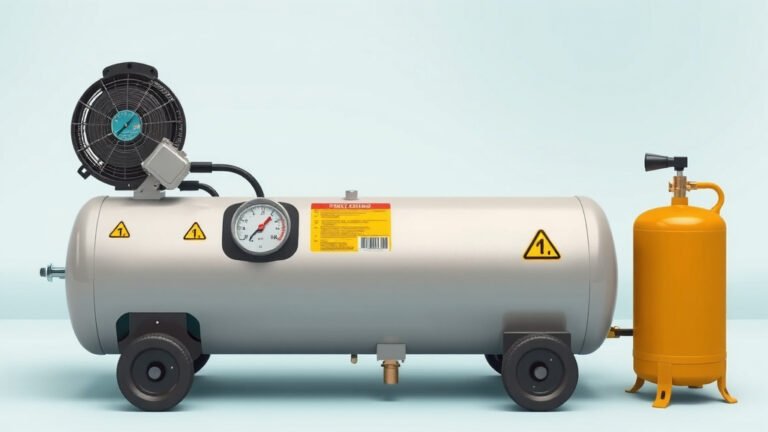
Most systems include an air receiver tank. This tank serves a few important purposes. Firstly, it stores the compressed air, providing a ready supply for your tools. Secondly, it helps to smooth out the pulsating flow of air coming directly from the compressor cylinder. This results in a more consistent pressure. Finally, the tank allows any oil and moisture to condense and be drained, helping to clean the air (National Institute for Occupational Safety and Health).
Powering the Piston: Motor and Crankshaft
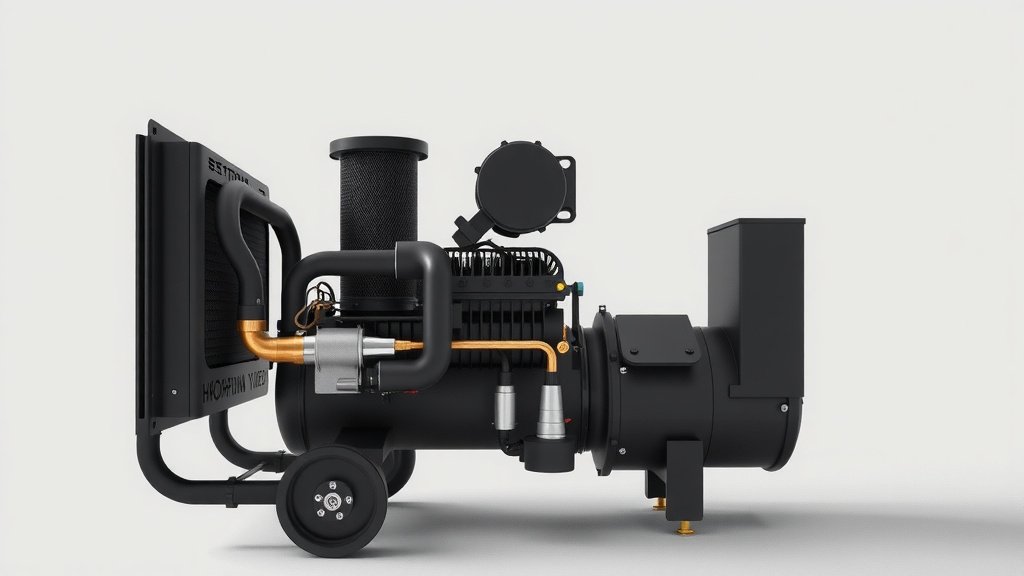
The whole operation needs power, right? A motor, usually electric, drives a crankshaft. This crankshaft converts the motor’s rotational motion into the back-and-forth (reciprocating) motion of the piston. It’s a tried-and-true mechanical linkage, similar to what you find in a car engine.
Lubrication: Keeping Things Smooth
For longevity and smooth operation, lubrication is key. Many compressors use a splash lubrication system. The crankshaft dips into an oil sump and splashes oil onto the moving parts like the piston and cylinder walls. Some larger or oil-free models use different methods, but consistent lubrication is vital for preventing wear and tear. We found that regular oil checks are a simple habit that pays off in compressor lifespan.
Putting It All Together: The Compressor Cycle
So, to recap, here’s the dance:
- Piston moves down, drawing air in.
- Piston moves up, squeezing the air.
- Air pressure builds until the outlet valve opens.
- Compressed air is sent to a storage tank.
- The cycle repeats thousands of times per minute.
This continuous back-and-forth action is what makes it a reciprocating compressor. It’s a mechanical ballet of pressure and motion, reliably delivering the compressed air you need for everything from inflating tires to powering industrial machinery.
Quick Maintenance Checklist for Your Compressor
To keep your reciprocating compressor running smoothly, consider these quick checks:
- Check the oil level regularly.
- Drain the air receiver tank for moisture.
- Inspect air filters for cleanliness.
- Listen for unusual noises during operation.
- Ensure proper ventilation around the unit.
Conclusion
You now understand the mechanical dance behind reciprocating air compressors. From the piston’s powerful strokes drawing air in, to the valves precisely controlling its flow, this process reliably generates the compressed air you need. Whether it’s a single-stage for lighter tasks or a two-stage with intercooling for tougher jobs, the core principle remains: mechanical action creating pressure. To ensure your compressor keeps performing, remember those simple maintenance steps we discussed. Your next step? Apply this knowledge to confidently select or maintain the right compressor for your needs.
Frequently Asked Questions
How often should I check the oil in my reciprocating air compressor?
We found that checking your compressor’s oil level is a quick habit that greatly extends its life. For most units, it’s a good idea to check it before each use or at least weekly. Low oil levels can lead to serious damage to the piston and cylinder.
What’s the main difference between single-stage and two-stage reciprocating compressors?
A single-stage compressor compresses air once using one piston. A two-stage compressor compresses the air in two steps, using two cylinders and pistons. We found that two-stage models achieve higher pressures and are often more efficient for demanding applications requiring sustained high air output.
Why do some reciprocating compressors have intercoolers?
Compressing air creates heat, which can reduce efficiency. Intercoolers are placed between compression stages to cool the air down. We learned that cooler air is denser, allowing the next stage of compression to be more effective, ultimately boosting your compressor’s performance and energy efficiency.
How does the crankshaft help the compressor work?
The crankshaft acts as the vital link between the motor and the piston. It converts the motor’s continuous spinning motion into the back-and-forth, or reciprocating, movement needed for the piston to draw in and compress air. It’s a fundamental piece of the mechanical design.
Can a reciprocating compressor be used for continuous operation?
Reciprocating compressors are known for their durability, but continuous, heavy-duty operation without breaks can cause them to overheat. We found that for applications requiring constant compressed air, it’s wise to consider the duty cycle of your specific model or look into rotary screw compressors for 100% duty cycle needs.