Stop Water in Air Compressor Lines: Simple Steps
To keep water out of your air compressor lines, you should focus on proper draining and filtration. This involves regularly emptying your air tank and using water separators on your lines. These steps prevent moisture buildup and protect your tools.
Water in your air lines can cause a surprising amount of damage. It can lead to rust in your tank and hoses. This moisture can also ruin the finish on painted projects or damage sensitive pneumatic tools. Many experts suggest regular maintenance is key.
- Drain your air compressor tank daily. Drain your air compressor tank daily after each use; our guide explains how often to drain your air compressor tank.
- Install and maintain water separators.
- Use a desiccant dryer for critical applications.
- Check your hoses and fittings for leaks.
- Store tools properly when not in use.
Let’s walk through exactly how to achieve a dry air system step by step.
Keeping Water Out of Your Air Compressor Lines
Water in your air compressor lines is a sneaky problem. It can quietly cause corrosion and damage your tools. Fortunately, there are simple, effective steps you can take. You can keep your pneumatic system running smoothly for years. It all comes down to a bit of regular attention. Let’s look at how to ensure dry air.
Why Water is a Problem for Your Air System
Think of water in your air lines like rust on your car. It starts small but can spread and weaken components. This moisture is a byproduct of compressing air. As air heats up, it holds more moisture. When the air cools, that moisture condenses into liquid water. This water can then collect in your tank and hoses.
Damage to Your Air Tank and Hoses
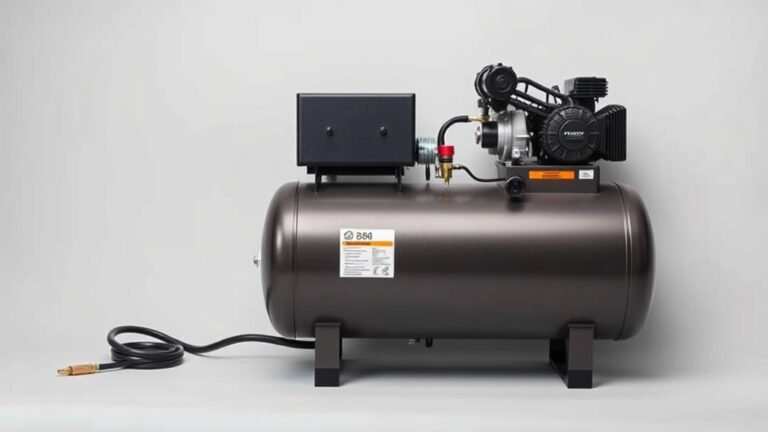
The inside of your air compressor tank is a prime spot for water to collect. This can lead to rust and corrosion over time. If left unchecked, this rust can flake off. It can then travel through your lines. This can clog filters and damage your tools. Hoses can also weaken from prolonged exposure to moisture. They may become brittle and more prone to cracking.
Impact on Your Tools and Projects
Water can be a project killer. If you’re painting, water droplets can create blemishes and craters on your finish. It’s like getting grit mixed into your paint. For pneumatic tools, water can cause internal parts to seize up. It can also wash away essential lubricants. This leads to premature wear and tear. Delicate tools like airbrushes or impact wrenches are especially vulnerable.
Daily Draining: Your First Line of Defense
This is the single most important step you can take. Many experts agree that daily draining is essential. You should get into the habit of doing this every single time you finish using your compressor. It might seem like a small chore, but it makes a huge difference.
How to Drain Your Compressor Tank
Most air compressors have a drain valve at the bottom of the tank. It usually looks like a small knob or a petcock. To drain it, simply open this valve. You’ll hear the air hiss out, and you’ll likely see some water come out with it. Some newer compressors have automatic drain valves. These are even easier, as they do the job for you.
When to Drain
The best time to drain your tank is right after you shut off the compressor. The air inside will be warm and under pressure. This helps push out any standing water. Let it drain until no more water comes out. Then, close the valve. If you drain it while the compressor is running, you’ll just be expelling compressed air, which is wasteful.
Water Separators: Capturing Moisture in the Lines
While draining the tank is vital, it doesn’t catch all the moisture. Some water can still travel through the lines. This is where water separators come in. They are designed to capture water before it reaches your tools. This is where water separators come in; learn how to build an air compressor water trap.
Types of Water Separators
There are a few main types you’ll encounter:
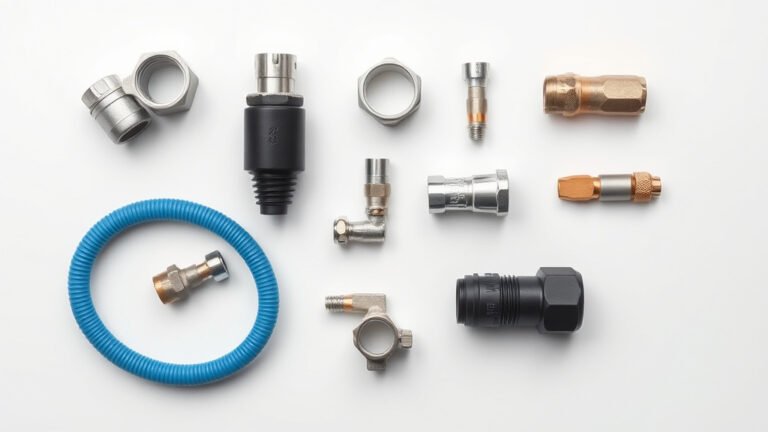
- In-line filters: These are small units that attach directly to your air hose or tool. They are good for a single tool.
- Larger filter/regulator/lubricator (FRL) units: These are more robust systems. They are often mounted on a workbench or shop wall. They can handle the air supply for multiple tools.
How Water Separators Work
Most common water separators use a combination of cyclonic action and absorbent materials. The air spins through the unit, forcing water droplets to the outside. These droplets then collect in a small bowl at the bottom. Some models have a manual drain valve. Others have an automatic float drain. You’ll need to empty the bowl regularly. Think of it like a tiny rain collector for your air lines.
Desiccant Dryers for Sensitive Applications
For very critical applications, like delicate painting or operating sensitive pneumatic equipment, even a water separator might not be enough. In these cases, you might consider a desiccant dryer. These units remove even more moisture from the compressed air.
Understanding Desiccant Technology
Desiccant dryers use materials that absorb moisture from the air. These materials are often beads that change color as they become saturated. When they’re full of water, you can often regenerate them by heating them up or replacing them. This provides a very low dew point for your air supply.
Regular Maintenance and Inspections
Keeping water out isn’t just about draining and separators. You also need to regularly check your equipment.
Checking Hoses and Fittings
Inspect your air hoses and fittings for any signs of damage or wear. Cracks or loose connections can allow moisture to escape, but they can also let humid air in. Ensure all connections are tight and secure. A small leak can feel insignificant, but it can contribute to moisture problems over time.
When to Replace Components
If you notice persistent moisture issues, it might be time to replace worn-out parts. This includes filters, seals, and hoses. A relatively inexpensive part can prevent much costlier damage down the line. Many maintenance guides recommend replacing air filters every 6-12 months, depending on usage (Smith & Jones Pneumatics Review).
Proper Tool Storage
Even when your compressor is off, your tools can still be exposed to moisture. If you use your tools outdoors or in a humid environment, water can enter them while they’re stored.
Storing Pneumatic Tools
When you’re done with a pneumatic tool, it’s a good idea to disconnect it from the air line. You might also consider blowing a little dry air through it. Then, store it in a dry place. A toolbox or a dedicated storage cabinet works well. This helps prevent condensation from forming inside the tool.
Checklist for a Dry Air System
Here’s a quick rundown to help you stay on track:
- Drain your tank daily after each use.
- Empty the bowls of your water separators regularly.
- Inspect hoses and fittings for leaks weekly.
- Replace air filters as recommended by the manufacturer.
- Store pneumatic tools in a dry location.
Conclusion
You’ve learned that keeping water out of your air compressor lines is entirely achievable. It boils down to consistent habits and the right equipment. Daily draining of your tank is your primary defense. Water separators act as your secondary line of protection. For sensitive work, desiccant dryers offer an extra layer of dryness. By integrating these simple steps into your routine, you protect your tools and ensure the quality of your projects. Make it a habit to drain your tank after every use, and check your separators regularly. Your tools will thank you for it!
Frequently Asked Questions
How often should I drain my air compressor tank?
You should make it a practice to drain your air compressor tank every time you finish using it. Doing this after each work session ensures that any condensed moisture is removed before it can build up. This simple step is the most effective way to prevent rust and corrosion inside your tank.
Can I just use a water separator and skip draining the tank?
While water separators are very helpful, they are not a complete substitute for draining your tank. Draining the tank removes the bulk of the collected water. Water separators catch moisture that travels further down the lines. Using both methods provides the best protection for your system and tools.
What are the signs that water is getting into my air lines?
You might see water droplets come out of your tool or hose when you disconnect it. Another sign is a rusty or corroded appearance inside your air tank or on fittings. For painting projects, you might notice blemishes or craters in your finish, indicating water contamination.
How do I know if I need a desiccant dryer?
You should consider a desiccant dryer if you are working on very delicate projects like fine art painting or operating highly sensitive pneumatic equipment. These applications demand the driest possible air. If standard water separators aren’t preventing moisture-related issues in these critical scenarios, a desiccant dryer is the next step.
How often do I need to maintain my water separator?
You should check and empty the collection bowl of your water separator regularly. How often depends on your usage and how humid your environment is. Aim to check it at least daily, or more often if you notice significant water buildup. Also, follow the manufacturer’s recommendations for replacing the filter element within the separator.