How to Set Up Air Compressor for Tires Quickly
Setting up your air compressor for tires is actually pretty straightforward. You’ll want to connect the air hose to the compressor and your tire’s valve stem, then set the desired pressure on the compressor’s gauge. Inflating tires correctly helps your car drive better and can even save you money on gas. It’s a simple process once you know the basic steps!
Getting your tire pressure just right is more important than you might think. Over or under-inflated tires can lead to uneven wear, affect your car’s handling, and increase your risk of a blowout. This guide will help you safely use an air compressor to maintain optimal tire pressure for your vehicle.
- Connect hose to compressor and tire.
- Set your desired PSI on the compressor.
- Inflate tire slowly, checking pressure often.
- Disconnect and replace valve cap.
- Check all tires for even pressure.
Ready to get those tires properly filled? Let’s walk through exactly how to set up your air compressor step by step.
Let’s get your tires topped off with the perfect amount of air! Knowing how to use your air compressor correctly isn’t just about convenience; it’s about safety and efficiency for your vehicle. Over-inflated tires can lead to a bumpy ride and premature wear, while under-inflated tires can harm your gas mileage and steering. We’ll guide you through the simple steps.
Setting Up Your Air Compressor for Tire Inflation
This section covers the basic setup and how to connect everything properly.
Gathering Your Tools and Checking Your Compressor
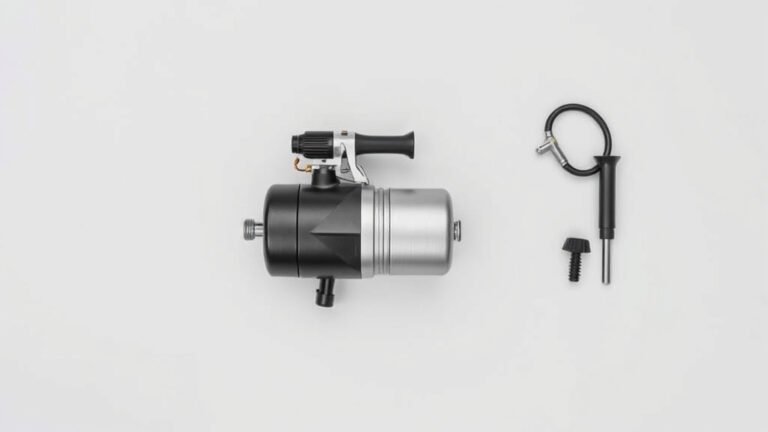
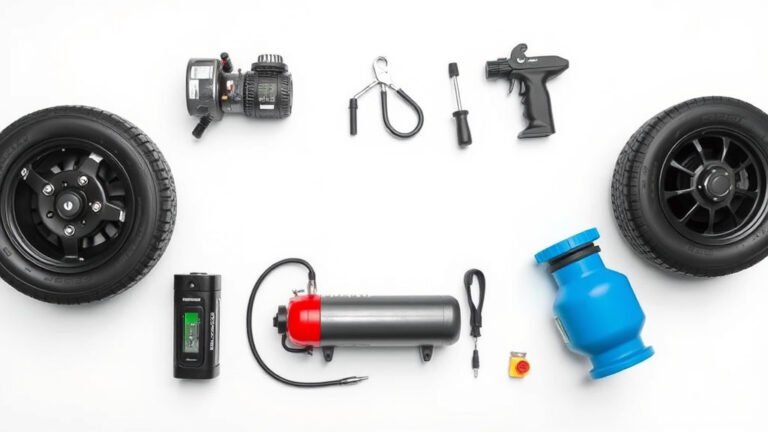
First, make sure you have everything you need. You’ll obviously need your air compressor and its power cord. Next, grab the air hose that came with it, or a compatible one. You also need a tire pressure gauge – though many compressors have built-in ones, having a separate one is always a good backup. Before you plug anything in, give your compressor a quick visual check. Look for any obvious damage to the cord or the unit itself.
Understanding Your Air Compressor’s Controls
Most air compressors have a few key parts you’ll interact with. There’s usually an on/off switch, and importantly, a pressure gauge. This gauge shows you how much air is in the tank (PSI or Bar). You might also see a regulator knob, which lets you set the desired output pressure. Some compressors have an automatic shut-off when they reach a certain tank pressure. Familiarize yourself with these parts before you start.
Connecting the Air Hose
Attaching the air hose is usually straightforward. On one end of the hose, you’ll find a fitting that screws or snaps onto the air outlet port on your compressor. Make sure it’s securely fastened to prevent leaks. The other end of the hose will have a chuck that connects to your tire’s valve stem. This chuck might have a lever you need to flip to lock it in place, or it might simply push on.
Inflating Your Tires: Step-by-Step
This is where the magic happens. Let’s get those tires filled up!
Finding Your Vehicle’s Recommended Tire Pressure
This is a critical step! Don’t guess or just fill them up until they look firm. Your car’s manufacturer knows best. You can find the recommended tire pressure, often called the “PSI” (pounds per square inch), on a sticker inside the driver’s side doorjamb. You can also find it in your car’s owner’s manual. Note that the pressure listed on the tire’s sidewall is the maximum pressure the tire can hold, not the recommended operating pressure for your vehicle.
Setting the Compressor’s Output Pressure
Before you connect to the tire, set your compressor to the correct PSI. If your compressor has a regulator knob, turn it until the gauge reads the PSI recommended for your tires. Many sources, including automotive repair guides, suggest setting the regulator slightly higher than your target PSI, as some air will escape when you disconnect. Aim for just a couple of PSI above your target. This helps ensure you don’t under-inflate.
Connecting the Air Chuck to the Tire Valve Stem
Locate the valve stem on your tire. It’s that small rubber or metal protrusion. If you have a valve cap, unscrew it and set it aside somewhere safe – losing these can let dirt into your valve. Now, firmly press or attach the air chuck onto the end of the valve stem. If it has a lever, flip it to lock it. You might hear a slight hiss of air; this is usually normal as you create a seal.
Inflating the Tire
With the chuck connected, air will start flowing into the tire. Watch the pressure gauge on your compressor. As the tire fills, the gauge will show the pressure increasing. You want to inflate until you reach your target PSI. It’s best to add air in short bursts, stopping to check the pressure frequently. This prevents over-inflation. If you do overfill, don’t worry! You can usually release air by pressing the small pin in the center of the valve stem with a fingernail or the edge of your pressure gauge.
Checking the Tire Pressure Accurately
Once you think you’re close, disconnect the compressor hose briefly. Use your separate tire pressure gauge (or the one on your compressor if it’s reliable) to get an accurate reading. Reconnect the compressor if you need to add more air, or release air if you’ve overshot. Repeat this process until the tire reaches the recommended PSI. Many car care guides, like those from AAA, stress the importance of checking pressure when tires are cold for the most accurate reading.
Disconnecting and Replacing the Valve Cap
Once the tire has the correct pressure, release the chuck from the valve stem. If you used a lever, flip it back. You might hear a tiny puff of air. Quickly screw the valve cap back onto the stem. This little cap does more than just look neat; it protects the valve from dirt and moisture, which can cause leaks. It’s a small step, but an important one.
Post-Inflation Checks and Tips
Don’t stop after just one tire!
Check All Four Tires (and the Spare!)
It’s vital to check the pressure in all your tires. They can lose air at different rates. Aim to maintain the recommended PSI in all of them. While you’re at it, don’t forget your spare tire! Many spare tires require a higher inflation pressure than your regular tires, so check your owner’s manual for its specific needs. Ensuring all tires are properly inflated contributes to a smoother ride and better fuel economy.
Regular Maintenance Schedule
How often should you do this? Experts, like those at the National Highway Traffic Safety Administration (NHTSA), recommend checking your tire pressure at least once a month, and before any long road trips. Tire pressure can change with temperature fluctuations, so it’s a good habit to get into.
Troubleshooting Common Issues
What if you get a leak? If you hear air hissing after disconnecting, double-check the valve cap. If it persists, the valve itself might be faulty, or the chuck didn’t seal properly. A loose connection is the most common culprit. If your compressor isn’t building pressure, ensure the tank valve is open and that you haven’t exceeded its duty cycle (some compressors need to cool down).
A Quick Checklist for Tire Inflation
- Find your vehicle’s recommended PSI (doorjamb sticker or manual).
- Set your compressor’s regulator to the target PSI.
- Remove the valve cap and attach the air chuck securely.
- Inflate in short bursts, checking pressure often.
- Disconnect, recheck pressure, and replace the valve cap.
- Check all tires and the spare monthly.
Conclusion
You’ve learned how to properly set up and use your air compressor for inflating your tires. Remember, finding your car’s recommended PSI is key, not just the max pressure on the tire. Connecting the hose securely, inflating in short bursts, and frequently checking the pressure ensures you get it just right. Don’t forget to check all your tires regularly, including the spare, for safety and optimal performance. Now, go ahead and give your tires the perfect pressure they need for your next drive!
Frequently Asked Questions
Can I use any air compressor for my car tires?
You generally can, but make sure the compressor can reach the PSI your car needs. Portable compressors are designed for this, while larger shop compressors might need a regulator to output the correct pressure safely. Always check your compressor’s specifications.
What if I over-inflate my tires?
It’s easy to release air if you over-inflate. Simply press the small pin in the center of the tire’s valve stem with your fingernail or the tip of a gauge. Do this in short bursts until you reach the correct PSI, checking frequently.
How do I know if the air chuck is properly connected?
A good connection usually creates a tight seal. You might hear a very slight hiss of air as you attach it, which is normal. If you hear a continuous loud hiss, the chuck might not be seated correctly on the valve stem, or the lever (if it has one) isn’t fully engaged.
Why is checking tire pressure when tires are cold important?
Tires heat up as you drive, which causes the air inside to expand and increase the pressure. Checking them when cold, meaning the car hasn’t been driven for at least three hours or driven less than a mile at moderate speed, gives you the most accurate reading of the manufacturer’s recommended PSI.
How often should I check my tire pressure with an air compressor?
It’s recommended to check your tire pressure at least once a month and before any long road trips. Temperature changes can significantly affect tire pressure, so regular checks are important for maintaining safety and fuel efficiency.