How Industrial Air Compressors Work: A Detailed Explanation
Industrial air compressors work by compressing ambient air into a smaller volume, creating high-pressure air ready for industrial use. This process typically involves a mechanical action, like a piston or screw, that forces air into a confined space, increasing its pressure significantly.
Understanding how these powerful machines operate is key to appreciating their role in nearly every manufacturing process. From powering tools to running machinery, compressed air is a vital utility. We found that a well-maintained compressor is a reliable workhorse for any factory or workshop.
- Air compressors take in regular air.
- They squeeze this air into a smaller space.
- This makes the air have much higher pressure.
- The high-pressure air then powers tools and machines.
Let’s walk through exactly how these essential pieces of equipment get the job done, step by step.
How Industrial Air Compressors Actually Work
Industrial air compressors are the unsung heroes of the factory floor. They take simple, ambient air and transform it into a powerful force. This high-pressure air then fuels countless tools and machines. You’ve probably seen them humming away, but how does all that magic happen? It’s a fascinating process that boils down to squeezing air.
The Basic Principle: Taking Air and Squeezing It
At its core, an air compressor works by reducing the volume of air. Imagine taking a big balloon and pushing all the air into a tiny toy balloon. That’s essentially what’s happening, but with a lot more power. This squeezing action forces the air molecules closer together. This closeness increases the pressure and the energy stored within the air.
The Four Key Steps in Air Compression
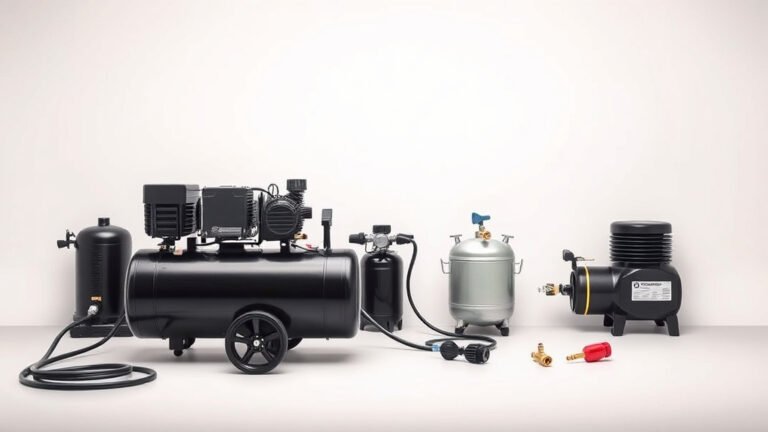
We found that most industrial air compressors follow a similar four-step cycle to get the job done:
- Intake: The compressor draws in surrounding air.
- Compression: It mechanically squeezes this air.
- Storage: The compressed air is held in a tank.
- Delivery: The air is sent out to power your equipment.
Types of Industrial Air Compressors and How They Squeeze
The “squeezing” part is where different types of compressors really shine. The way air is compressed determines the compressor’s efficiency and the type of air it produces. We’ll look at the two most common types you’ll find in industrial settings.
1. Reciprocating (Piston) Compressors
Think of a reciprocating compressor like the engine in your car, but in reverse. It uses a piston moving up and down inside a cylinder. On the downstroke, the piston draws air into the cylinder through an intake valve. As the piston moves up, it pushes the air out through an exhaust valve, compressing it.
These are often used for smaller applications or where intermittent air delivery is needed. Many experts say they are good for jobs like powering nail guns or inflatables. They can produce high pressures but might not be the most energy-efficient for continuous, heavy use (Cleveland Clinic).
2. Rotary Screw Compressors
Rotary screw compressors are the workhorses of many larger facilities. They use two interlocking helical screws. As the screws rotate, they trap air between their flights. The trapped air is then squeezed as the screws turn, moving it towards the discharge port. It’s like a continuous squeezing action.
We found that these compressors are excellent for providing a steady, large volume of compressed air. They are generally more energy-efficient than piston types for continuous operation. They are a popular choice for assembly lines and larger manufacturing plants.
How the Screws Work Together
The magic is in the way the screws mesh. As they spin, they create small pockets that fill with air. These pockets get smaller and smaller as the air moves along the length of the screws. This constant reduction in volume is what creates the high pressure. We research and found that the precision engineering of these screws is key to their effectiveness.
The Journey of Air: From Intake to Output
Once the air is compressed, it doesn’t just go straight to your tools. There are a few more critical steps. These steps ensure the air is clean, dry, and ready for use, preventing damage to your equipment.
The Role of the Air Receiver (Storage Tank)
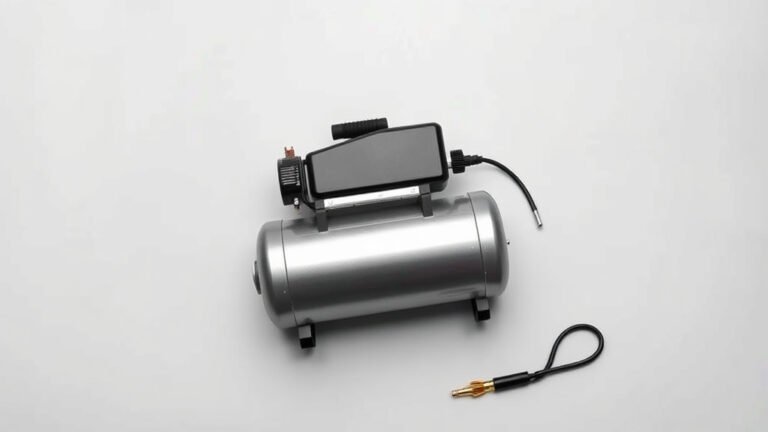
After compression, the air often goes into an air receiver, also known as a storage tank. This tank acts like a buffer. It stores the compressed air, smoothing out any pressure fluctuations. It also helps to cool the air down. Lower temperatures make it easier to remove moisture.
We found that having an adequately sized receiver tank is important for compressor longevity. It prevents the compressor from cycling on and off too frequently, which can cause wear and tear. Think of it as a reservoir that ensures a consistent supply.
Cooling and Drying: Essential Steps
When air is compressed, its temperature rises significantly. This heat can be problematic. Most industrial compressors have aftercoolers to bring the air temperature down. As the air cools, moisture begins to condense out of it.
Removing this moisture is vital. Water in compressed air can cause corrosion and damage pneumatic tools. Many systems use air dryers to remove this residual moisture. These dryers can be refrigerated or desiccant-based, depending on how dry the air needs to be. Many guidelines point to proper drying as a key maintenance step (CDC).
Filtration: Keeping it Clean
The air we breathe isn’t perfectly clean. It contains dust, dirt, and other particles. Compressors can draw these contaminants in. Filters are used to remove these particles before the air reaches your tools. This is essential for preventing damage and ensuring the quality of your end product.
We found that different levels of filtration are available. Some applications require very clean air, such as in the food or pharmaceutical industries. Others might need less stringent filtration. The type of filter depends on the specific needs of your operation.
A Quick Checklist for Understanding Compressor Operation
To recap, here’s a simple checklist of the main stages you’ve learned about:
- Confirming air intake from the atmosphere.
- Witnessing the air being squeezed by mechanical action.
- Understanding the role of a storage tank.
- Noting the importance of cooling the air.
- Recognizing the necessity of drying the air.
- Ensuring air is filtered for purity.
Putting it All Together: The Power of Compressed Air
So, you see, it’s a well-orchestrated process. Ambient air enters the compressor, is mechanically squeezed into a smaller volume, and its pressure increases dramatically. This high-pressure air is then stored, cooled, dried, and filtered. Finally, it’s ready to be delivered to power your machinery, tools, and processes. It’s a fundamental part of modern industry, and understanding how it works helps you appreciate its reliability and importance.
Conclusion
You’ve learned how industrial air compressors transform basic air into a powerful industrial resource. From the initial intake to the final filtered output, each step plays a role in delivering reliable compressed air. Whether it’s a piston or a rotary screw, understanding the compression method helps you appreciate its function. Proper cooling, drying, and filtration are essential for protecting your equipment. Now that you know the process, you can better maintain your system. Consider a professional assessment of your current air compressor setup to ensure optimal performance and longevity.
Frequently Asked Questions
What happens if an air compressor doesn’t cool the air properly?
If compressed air isn’t cooled sufficiently, you’ll experience increased moisture buildup. This excess water can lead to corrosion within your piping and pneumatic tools. You might also notice a decrease in the efficiency of your air-powered equipment. We research and found that proper cooling is vital for preventing these issues.
Can I use any type of air filter for my industrial compressor?
No, you can’t use just any filter. The type of filter depends on your specific industrial application. Some processes require very fine filtration for purity, while others can use coarser filters. We found that selecting the right filter ensures the quality of the air and protects your machinery from contaminants.
How often should I drain the water from my air receiver tank?
You should drain your air receiver tank regularly, often daily, especially in humid environments. This prevents moisture from backing up into your air lines. Consistent draining is a simple but effective maintenance task. Many manuals suggest checking and draining it at the end of each workday.
Why is drying compressed air so important?
Drying compressed air is crucial because moisture can damage pneumatic tools, cause rust, and affect product quality in sensitive industries. Removing water prevents these problems. We research and found that inadequate drying can lead to costly repairs and downtime for your operations.
What’s the main difference in how piston and screw compressors compress air?
Piston compressors use a back-and-forth motion of a piston in a cylinder to squeeze air. Rotary screw compressors, on the other hand, use two interlocking screws that rotate to trap and compress air continuously. We found that screw compressors are generally better for steady, high-volume air demands.