Car Air Compressor Cost: What to Expect in 2026
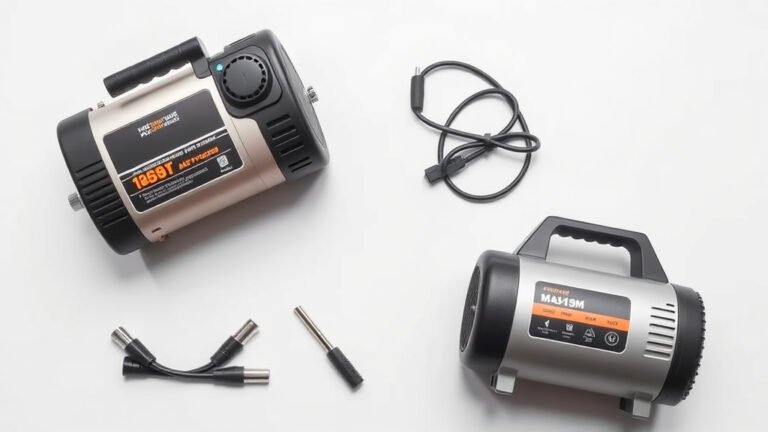
Wondering how much a new air compressor for your car might cost? You’re looking at a price range of generally between $20 and $100 for most portable models. This covers a wide variety of options, from basic inflators to more powerful units. The exact price depends on the features you need and the brand you choose.
These handy devices can be a lifesaver for flat tires or maintaining proper tire pressure on the go. We found that the cost is influenced by factors like power source (12V plug-in vs. battery-powered) and included accessories. Some might even come with a digital gauge, which adds a bit to the price but offers more convenience.
- Portable car air compressors usually cost $20-$100. For a better understanding of tank sizes, consider this guide on 1-gallon vs 2-gallon air compressors.
- Price varies by brand, features, and power source.
- Basic models inflate tires quickly.
- More advanced units have digital gauges and faster inflation.
- It’s a worthwhile investment for roadside emergencies.
Let’s break down what goes into that price and what you can expect from different types of car air compressors.
What’s the Cost for a New Car Air Compressor?
So, you’re looking into getting a new air compressor for your car. That’s a smart move! It can really save you stress on the road. Generally, you’re looking at spending anywhere from $20 to $100 for most portable models you’ll find. This price range covers a lot of ground. It includes everything from the most basic inflators to some pretty powerful options. Your exact cost will depend on a few things we’ll get into.
Think of it as an investment in your car’s readiness. A flat tire can happen to anyone, anytime. Having a portable compressor means you can handle minor issues yourself. It gives you peace of mind. We found that understanding the different types and features helps justify the price point.
Factors Influencing Air Compressor Prices
Power Source: 12V vs. Battery-Powered
One of the biggest factors affecting the price is how the compressor gets its power. Most affordable models plug directly into your car’s 12V accessory outlet (the cigarette lighter socket). These are generally simpler and less expensive. They rely on your car’s engine being on to provide power.
On the other hand, battery-powered compressors offer more freedom. You can use them away from your car. They often have rechargeable batteries, much like your cordless drill. These models tend to be a bit pricier. This is because of the added battery technology and its convenience. Some can even charge your phone in a pinch!
Inflation Speed and Power
Not all compressors are created equal when it comes to speed. A basic model might take 5-10 minutes to inflate a standard car tire from flat. More powerful, and thus more expensive, units can do the job much faster. They might bring a tire up to pressure in 2-3 minutes. This is a big difference if you’re in a hurry or dealing with a completely flat tire.
The power is often measured in CFM (Cubic Feet per Minute). Higher CFM generally means faster inflation. If you have larger tires, like on an SUV or truck, you might need a higher CFM model. This could push the price up slightly. The hose size can also impact performance, so learn about 1/4 vs 3/8 air compressor hose differences.
Included Features and Accessories
What else comes in the box? Many compressors come with a few basic adapters. These are for different types of valves, like on bicycles or sports balls. Models with digital pressure gauges are very popular. They allow you to set a precise PSI and often shut off automatically. This feature adds a bit to the cost but is incredibly convenient.
Some premium models might include extra-long power cords, carrying cases, or even LED lights for nighttime use. These extras can increase the price. We found that for most car owners, a reliable unit with a digital gauge is a sweet spot for features and cost.
Brand Reputation and Durability
Like many products, brand name plays a role in pricing. Well-known brands often have a reputation for quality and reliability. They might cost a little more upfront. However, they may also last longer. Cheaper, no-name brands might seem tempting. But they could fail sooner or not perform as well. Many experts suggest looking at reviews to gauge a product’s actual durability.
It’s about finding a balance. You want something that works when you need it. We found that some mid-range brands offer a good mix of performance and price. You don’t always need the most expensive option to get a dependable tool.
Price Breakdown: What to Expect
Entry-Level Models ($20 – $40)
At this price point, you’ll find basic 12V plug-in compressors. They’ll get the job done for small leaks or topping off tires. Expect manual pressure gauges (you have to read the dial yourself) and slower inflation times. They’re great for occasional use or as a backup. They won’t have many bells and whistles.
Mid-Range Models ($40 – $75)
This is where you’ll find many of the most popular options. These often include digital pressure gauges and faster inflation. You might find models with longer cords or a more robust build. Some might even be battery-powered but with smaller batteries for lighter use. They offer a good balance of features for everyday drivers. Many we looked at had auto-shutoff functions.
High-End Models ($75 – $100+)
In this category, you’re looking at more powerful units. These might inflate tires very quickly or have larger, rechargeable batteries. They often come with durable carrying cases and multiple adapters. Some are designed for heavier-duty use, like SUVs, trucks, or RVs. You might also see advanced features like built-in tire pressure monitoring systems. These are for folks who need maximum performance and convenience.
A Quick Comparison Table
To help you visualize, here’s a simple table of what you might find at different price points.
| Price Range | Typical Features | Best For |
|---|---|---|
| $20 – $40 | 12V plug-in, manual gauge, basic adapters, slower inflation | Occasional use, emergency backup, car commuters |
| $40 – $75 | 12V or small battery, digital gauge, auto-shutoff, faster inflation, longer cords | Everyday drivers, convenience seekers, family cars |
| $75 – $100+ | Powerful motor, large battery, fast inflation, premium build, carrying case, extra adapters | Heavy use, larger vehicles (SUVs/trucks), maximum convenience |
Making the Smart Purchase: Your Checklist
Before you click “buy” or head to the store, consider these points. They’ll help you choose the right compressor without overspending.
- Check tire PSI requirements for your vehicle.
- Decide if 12V plug-in or battery-powered is better for you.
- Prioritize a digital gauge with auto-shutoff if possible.
- Look at the inflation speed (CFM rating if available).
- Read recent customer reviews for reliability.
- Consider any extra accessories you might need.
Conclusion
You’ve learned that a portable air compressor for your car typically costs between $20 and $100. This price range offers options for every need, from basic inflators to feature-rich, fast-acting models. We found that considering the power source, inflation speed, and useful features like digital gauges will help you find the best fit. Don’t forget to factor in brand reputation for durability. Now that you know what to expect, your next step is to check your car’s tire pressure needs and start comparing models that fit your budget and priorities.
Frequently Asked Questions
Can I use a car air compressor on other things besides tires?
Yes, many portable car air compressors come with various adapters. You can use them to inflate bicycle tires, sports balls, pool toys, and other inflatables. Just ensure the compressor has the right attachment for the job.
How do I know what PSI my car tires need?
Your vehicle’s recommended tire pressure, measured in PSI (pounds per square inch), is usually found on a sticker inside the driver’s side doorjamb. You can also check your car’s owner’s manual. Never inflate tires to the maximum pressure listed on the tire sidewall.
Is a battery-powered air compressor worth the extra cost?
For many drivers, a battery-powered compressor offers greater convenience. You can use it anywhere without needing your car’s engine running. If you value portability and the ability to inflate away from your vehicle, the higher cost might be justified for your needs.
What’s the difference between a manual and digital pressure gauge?
A manual gauge requires you to read the pressure from a dial, which can be less precise. A digital gauge provides a clear numerical reading and often allows you to preset your desired pressure. Many digital models will automatically shut off the compressor once the target PSI is reached, preventing over-inflation.
How long should it take a car air compressor to inflate a tire?
Inflation times vary greatly. Basic 12V models might take 5-10 minutes per tire from flat. More powerful or premium models can inflate a tire in as little as 2-3 minutes. Consider how often you’ll need to use it and if speed is a major factor for you.