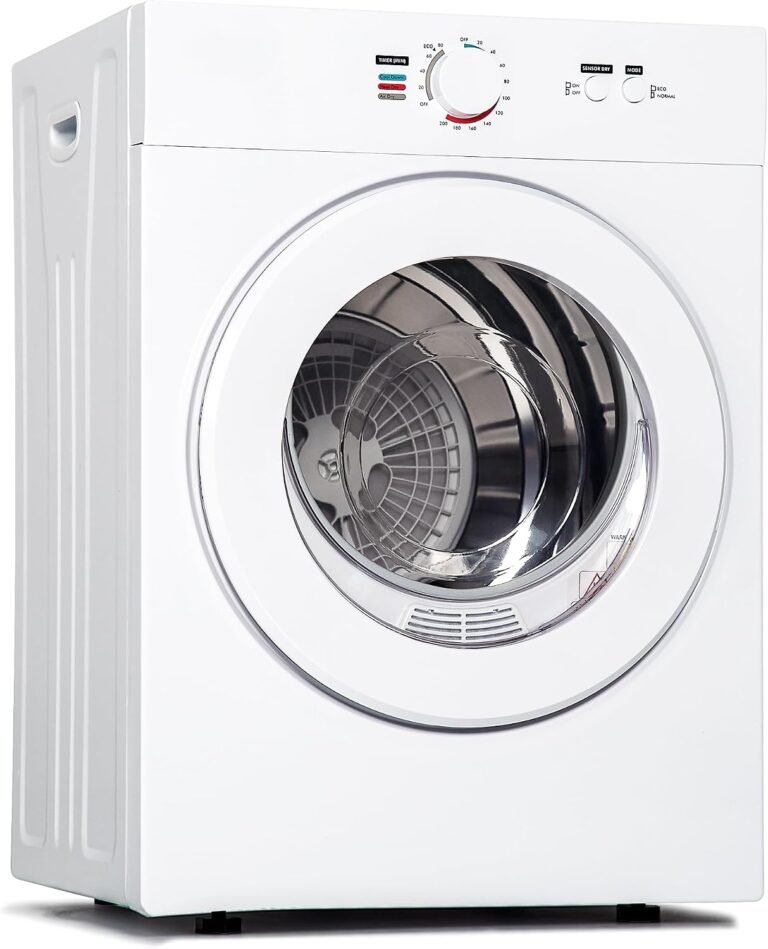
Clothes Dryer Basics: How It Works and Key Features
A clothes dryer is a household appliance that uses heat, airflow, and tumbling to remove moisture from wet laundry after washing. Instead of hanging clothes on a line to air dry, a dryer spins them in a heated drum to speed up the process dramatically. The whole point is to get your clothes dry and ready to wear in about an hour, not a whole day.
Most homes in the US have a dryer, and they come in two main types: electric and gas. We found that understanding how your dryer works can help you use it better, avoid common mistakes, and save money on your energy bill. It’s also super handy to know the basics when yours breaks down or makes a weird noise.
- Definition: A clothes dryer is a machine that dries laundry using heat and tumbling air.
- How it works: It pulls in air, heats it up, and blows it through your wet clothes to absorb moisture.
- Main types: You have electric dryers (plug in) and gas dryers (need a gas line).
- Key components: The drum, heating element, and a lint filter that you must clean often.
- Why it matters: Knowing your dryer saves you time, keeps your clothes safe, and prevents fire hazards.
Below, we break down exactly how a dryer works, what the different settings and cycles are for, and how to get the best results without shrinking your favorite shirt. Let’s walk through it together.
Exploring How a Clothes Dryer Works for Your Home
At its core, a clothes dryer is a simple problem-solver. You put in wet clothes, and you get out warm, dry ones. We found that most people never think about what happens inside that metal box. But when you get the basics, you will make better choices for your fabrics and your utility bill.
The Simple Science of Drying Your Laundry
Drying clothes is all about moving moisture away from fabric. Air drying happens naturally over time. A dryer just speeds up that natural process using three key things: heat, airflow, and motion.
Think of it like a convection oven that runs on low. The machine pulls in cool air from the room. Then, it heats that air up. Finally, it pushes the warm air through the tumbling clothes. The warm air holds more water than cold air, so it grabs the moisture from your shirts and jeans. That damp air then gets pushed outside your house through a vent.
The Main Parts Inside Your Dryer
You don’t need to be a repair tech to understand the basics. We found that knowing a few part names helps you explain problems to a pro later. Here is what lives inside your machine.
The Drum, Motor, and Heating Element
The drum is the big metal cylinder that spins your clothes. The motor turns the drum and also runs the fan. The heating element is what warms the air. In electric dryers, this looks like a coiled wire, similar to a toaster. In gas dryers, a burner flame does the job. These three parts work together on every single cycle you run.
The Lint Filter and Venting System
This is the part you already know about. The lint filter traps all the fuzzy bits that rub off your clothes. The vent system pushes the wet, warm air out of your house. If either of these gets blocked, your dryer will work too hard. It will take longer, and it becomes a fire risk. Cleaning the lint screen before every load is the single best habit you can form.
The Two Biggest Types of Dryers Compared
When you shop or move into a new place, you will face a choice. You can pick an electric dryer or a gas dryer. Both will dry your clothes just fine. The big difference is in how they make heat and how much they cost to run.
| Feature | Electric Dryer | Gas Dryer |
|---|---|---|
| Power Source | Standard 240-volt outlet | Gas line in your laundry room |
| Setup | Easy, just plug it in | Needs a professional hookup |
| Upfront Cost | Usually lower | A bit higher |
| Running Cost | Often higher over time | Usually cheaper over time |
| Common Location | Apartments and condos | Single-family homes |
We found that gas dryers tend to heat up faster and dry loads quicker. They use less energy overall, which many people like. However, they require a gas line. If you rent an apartment, you likely have an electric model. If you own a house, you might have a hookup for either. Always check before you buy.
Which Type Dries Your Clothes Faster?
If speed is your priority, gas usually wins the race. Because the flame gets hotter than an electric coil, the air inside the drum warms up faster. That means your heavy towels and jeans spin in hot air sooner. But electric dryers have caught up a lot in recent years. Many newer electric models have sensors that stop the machine when clothes are dry, which saves you time and energy.
Getting to Know Your Dryer Cycles and Settings
You might look at the dial or screen on your dryer and feel confused. There are so many options these days. The good news? You probably only need a few of them. We found that most people stick to the same two or three cycles. And that is totally fine for everyday laundry.
The Timed Dry vs. Auto Dry Difference
Here is a big one. Timed Dry runs for exactly how many minutes you set. You tell it 60 minutes, and it runs for that long, no matter what. Auto Dry uses sensors inside the drum to measure moisture levels. When the clothes are dry, the machine shuts off automatically. This is a huge upgrade. It prevents over-drying, which saves your clothes from wear and tear. It also saves energy, according to most energy guides.
You should use Auto Dry for your everyday clothes. It is smarter and safer for your fabrics. Use Timed Dry for things like bulky comforters or when you just need a quick fluff.
What About Sanitize and Steam Cycles?
Newer machines come with extra bells and whistles. A sanitize cycle uses very high heat to kill germs. That is nice for towels or sheets after someone has been sick. Steam cycles use a bit of water to relax wrinkles. Many experts say steam is great for refreshing clothes between washes. Just know that these cycles use more energy. Save them for when you really need them. Your daily t-shirts and shorts do not need a steam treatment.
How to Use Your Dryer Safely Every Day
Dryers are very safe when you treat them right. But they do require a little bit of attention. We found that most dryer fires start from one simple mistake: not cleaning the lint filter. This is an easy fix.
Before you load every single load, pull out the lint screen and scrape off the fuzz. Do this without fail. It takes five seconds. A clean filter allows airflow. Good airflow means faster drying and less heat buildup inside the machine. The U.S. Fire Administration highlights that cleaning the lint filter is the most important step in preventing home dryer fires.
Simple Safety Checklist Before You Press Start
Here is a quick list to run through. It keeps your home safe and your dryer working well.
- Clean the lint filter before every single load.
- Check the vent hose behind the dryer for clogs every few months.
- Never dry items with oil, grease, or cleaning chemicals on them.
- Do not overload the drum. Clothes need room to tumble freely.
- Make sure the outside vent flap opens when the dryer runs.
- Keep the area around the dryer clear of boxes and clutter.
If you follow this list, you are doing the basics right. It protects your family and your appliance budget.
The Hidden Costs of Running a Clothes Dryer
Let’s talk about your wallet for a minute. Running a dryer is one of the bigger energy costs in a typical home. We found that the average dryer load costs between 30 and 40 cents. That might not sound like a lot. But if you dry five loads a week, that adds up to over a hundred dollars a year.
You can lower that number without buying a brand-new machine. It just takes a few smart habits.
Easy Ways to Cut Down on Energy Use
You do not need fancy equipment to save money. Start with these basic changes.
First, dry similar fabrics together. Heavy towels take longer than light t-shirts. If you mix them, the whole load runs longer. Second, use the high spin speed on your washing machine. The more water your washer removes, the less work your dryer has to do. We found that a good spin cycle can cut drying time by a big margin. Finally, clean the lint filter. We know we said it already, but it honestly makes a huge difference in how fast your clothes dry.
Why Your Clothes Shrink and How to Stop It
Everyone has lost a favorite wool sweater to the dryer. It is a sad moment. The heat of the dryer relaxes the fibers in your clothes. Then, as they cool, they tighten up. That is the shrinking process. It happens most with cotton and wool.
To protect your clothes, check the fabric care label first. It tells you if the item is safe for the dryer. When in doubt, choose a low-heat or air-dry setting. Air-dry settings use no heat at all. They just tumble your clothes with room-temperature air. It takes longer, but it is very gentle on your garments. Many people use this setting for nicer work clothes and delicate fabrics.
Knowing When to Just Hang It Up
Honestly, some items should never see the inside of a dryer. Swimsuits, bras, and anything with elastic will wear out faster in the heat. Delicate sweaters and silk blouses are better off on a drying rack. A good rule of thumb? If you spent a lot of money on it, or if it has delicate straps, hang it to dry. Your clothes will thank you, and they will last way longer. It is a small effort that saves you from replacing your favorite pieces.
Conclusion
You now know what a clothes dryer is, how it works, and how to pick the right one for your home. We walked through electric and gas models, broke down the settings, and shared safety tips that protect your family. The biggest takeaway? A dryer is a simple machine that thrives on a little routine care.
The best next step is simple: go clean your lint filter and check your vent hose today. It takes minutes and makes the biggest difference in performance. Then, make a habit of using the Auto Dry cycle for your everyday loads. Your clothes will last longer, your energy bill will shrink, and you’ll get the most out of your machine for years to come.
Frequently Asked Questions
How long does a clothes dryer last on average?
Most dryers last between 10 and 15 years with regular use. You can extend that lifespan by cleaning the lint filter before every load and checking the vent hose yearly. If your dryer starts taking multiple cycles to dry clothes, it might be nearing the end of its life.
Is it cheaper to air dry clothes or use a dryer?
Air drying is always cheaper because it uses zero electricity or gas. You save about 30 to 40 cents per load by hanging clothes on a rack or line. That adds up to real savings if you dry multiple loads each week.
Can you run a clothes dryer without a vent?
No, you really shouldn’t run a traditional dryer without a vent. The machine pushes out hot, damp air that needs somewhere to go. Without venting, moisture builds up in your laundry room and can cause mold or mildew problems. Some newer ventless dryer models exist, but they use a condenser system instead of an exhaust hose.
Why does my dryer take two cycles to dry clothes?
This usually means the lint filter is clogged, the vent hose is blocked, or the load is too heavy. Start by cleaning the lint screen completely and checking the outside vent flap for obstructions. If that doesn’t fix it, the heating element might be failing and need a professional look.
What is the best dryer setting for everyday clothes?
For most everyday items like t-shirts, jeans, and cotton socks, use the Auto Dry cycle on medium heat. The sensors stop the machine when moisture is gone, which prevents over-drying and shrinking. Save high heat for thick towels and heavy fabrics that really need the extra boost.