10 Best Air Compressors for Auto Body Shops
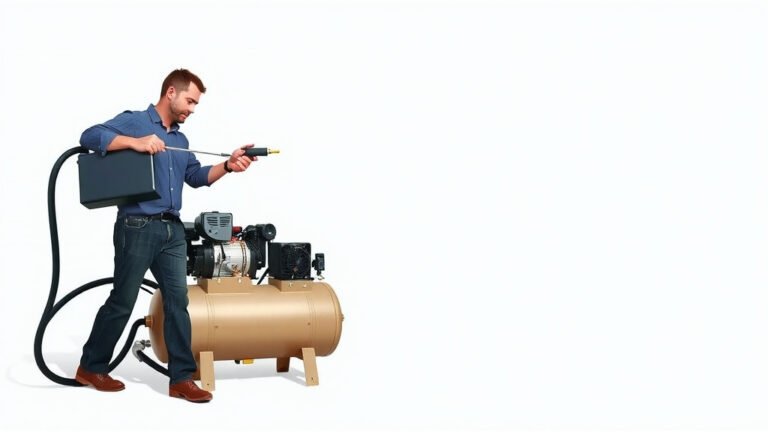
The best air compressors for an auto body shop are heavy-duty, high-capacity units like the Campbell Hausfeld 80-Gallon, VEVOR 80 Gallon Air Compressor, and Ingersoll Rand 2340L5-V, chosen for their ability to consistently power demanding tools.
A reliable air compressor is the heart of any professional auto body operation, providing the necessary airflow for everything from spray guns and sanders to impact wrenches and tire inflators. Selecting the right model ensures uninterrupted workflow and the precision required for quality finishes, making it a critical investment for professional results.
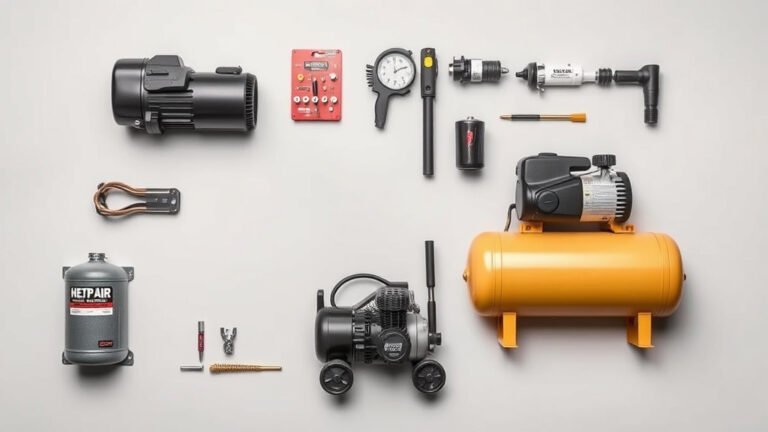
We’ve narrowed down the vast market to a curated list of 10 top-performing air compressors, evaluated for their durability, power output, and efficiency. Our comparison focuses on key metrics such as CFM ratings, tank size, and noise levels, helping you understand which compressor best suits your specific shop needs. Dive into our detailed breakdown to find the perfect fit for your auto body shop.
3 Standout Picks: Heavy Duty Shops
Start with these 3 standouts. Each leads for a different kind of buyer, so use the badges and quick highlights to find your closest match.

Campbell Hausfeld 80-Gallon
- 80-gallon vertical tank
- 16.0 CFM at 90 PSI
- 5 HP single-phase motor

VEVOR 80 Gallon Air Compressor
- 6.5 HP oil-free motor
- 15.5 SCFM at 90 PSI
- 80-gallon stationary tank

Ingersoll Rand 2340L5-V
- 5 HP, two-stage pump
- 60-gallon vertical tank
- 175 PSI max pressure
10 Models Side by Side: Features, Best Use Cases, and Tradeoffs
The recommendations above are our strongest matches for different priorities. Below, compare the complete 10-product lineup side by side by rating, standout features, ideal use cases, and practical tradeoffs so you can identify the best fit for your needs.
Campbell Hausfeld 80-Gallon
- Large 80-gallon capacity for continuous use
- High airflow (16 CFM at 90 PSI)
Show MoreShow Less
- Durable cast-iron pump
- 80-gallon vertical tank
- 16.0 CFM at 90 PSI
VEVOR 80 Gallon Air Compressor
- Huge 80-gallon tank capacity
- High 6.5 HP motor power
Show MoreShow Less
- Excellent airflow for demanding tools
- 6.5 HP oil-free motor
- 15.5 SCFM at 90 PSI
Ingersoll Rand 2340L5-V
- High CFM for continuous heavy use
- Durable cast iron construction
Show MoreShow Less
- Large tank capacity
- 5 HP, two-stage pump
- 60-gallon vertical tank
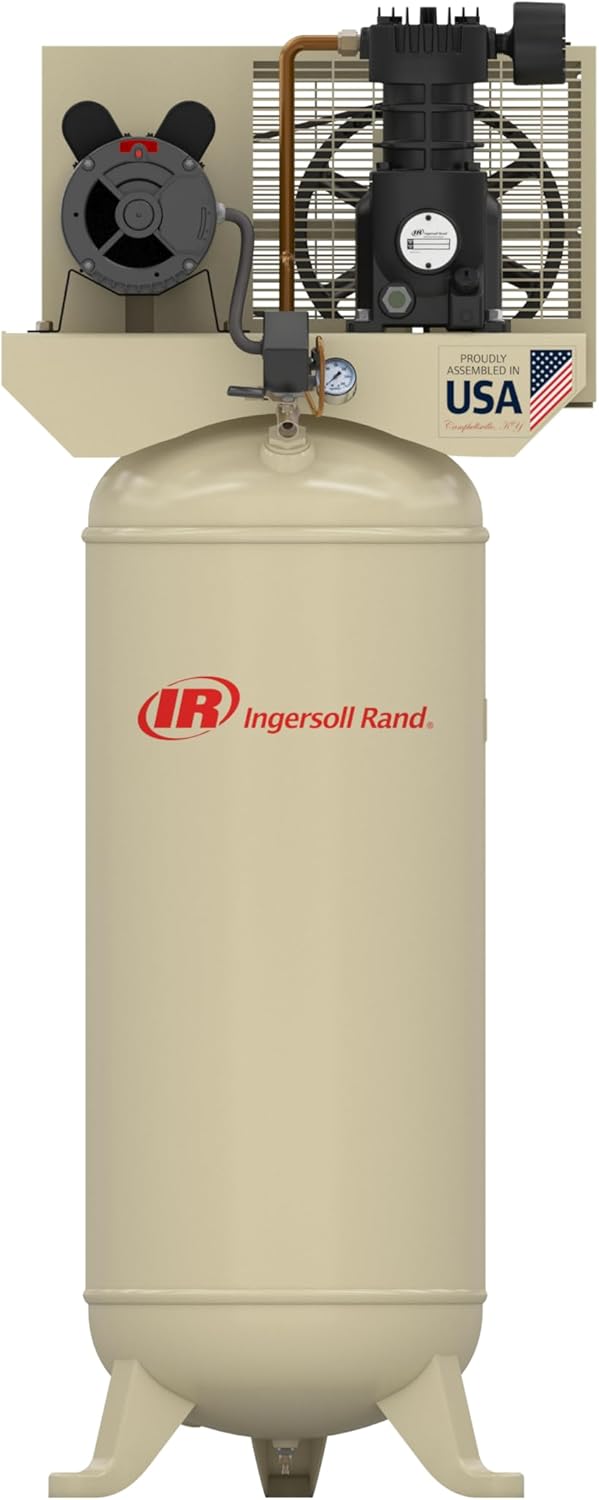
Ingersoll Rand SS3L3
- Exceptional durability and long pump life
- High air output for demanding tools
Show MoreShow Less
- Large tank capacity for continuous use
- Durable cast iron construction
- 11.3 cfm @ 90 psi

Campbell Hausfeld 60-Gallon
- Durable cast-iron pump
- High pressure and SCFM rating
Show MoreShow Less
- Large tank capacity
- Two-stage cast-iron pump
- 175 PSI maximum pressure

VEVOR 25-Gallon
- Portable with wheels and handle
- High maximum pressure (200 PSI)
Show MoreShow Less
- Dual air outlets
- 25-gallon tank capacity
- 5.5 SCFM at 90 PSI

Klutch 29-Gallon Air Compressor
- Low-maintenance oil-free pump
- High maximum pressure
Show MoreShow Less
- Relatively portable with wheels
- Oil-free pump design
- 175 PSI max pressure

VEVOR 14-Gallon Air Compressor
- Powerful 2 HP motor
- Portable with wheels
Show MoreShow Less
- Durable carbon steel tank
- 2 HP oil-free motor
- 4.3 SCFM at 90 PSI

RyanTek 15-Gallon Compressor
- Very quiet operation for its size
- Sufficient CFM for many auto tasks
Show MoreShow Less
- Space-saving vertical design
- Quiet 66dB operation
- 2HP motor, 4.5 CFM

VEVOR 20-Gallon Air Compressor
- Easy to move with wheels
- Low maintenance oil-free pump
Show MoreShow Less
- Compact size for smaller spaces
- 2 HP oil-free motor
- 125 PSI maximum pressure
10 Models Reviewed in Depth
#1. Campbell Hausfeld 80-Gallon
You’ll appreciate the substantial 80-gallon vertical tank on this Campbell Hausfeld compressor, providing ample air for extended use without constant refilling. Its robust 5 HP motor and oil-lubricated, cast-iron pump deliver a strong 16.0 CFM at 90 PSI, easily powering demanding tools like sanders and grinders. The durable construction is built for the rigors of a professional shop environment.
While its performance is impressive, be aware that this unit requires a dedicated 208-230V circuit and its 460-pound weight means it’s not easily moved once installed. It’s an excellent choice for stationary automotive repair or restoration shops needing reliable, high-volume air, but less ideal for mobile operations or those with limited electrical capacity.
Pros
- Large 80-gallon capacity for continuous use
- High airflow (16 CFM at 90 PSI)
- Durable cast-iron pump
Cons
- Heavy and not portable
- Requires 208-230V circuit
- Higher initial cost
Specifications
#2. VEVOR 80 Gallon Air Compressor
This VEVOR 80-gallon air compressor is a powerhouse, designed for demanding environments. You’ll benefit from the massive 80-gallon capacity, ensuring a consistent and long-lasting air supply for continuous operation. The 6.5 HP oil-free motor delivers an impressive 15.5 SCFM at 90 PSI, making it ideal for heavy-duty tasks in industrial manufacturing or busy auto body shops. Its construction from high-strength cold-rolled steel ensures robust durability and safety.
While advertised as “quiet” at 86dB, this is still a significant noise level, so consider placement and hearing protection. It requires a 220V power supply, which may necessitate electrical upgrades for some users. This compressor is an excellent investment for workshops needing serious air volume and pressure, but perhaps overkill for light-duty home use.
Pros
- Huge 80-gallon tank capacity
- High 6.5 HP motor power
- Excellent airflow for demanding tools
Cons
- Requires 220V power supply
- High noise level (86 dB)
- Stationary design limits mobility
Specifications
#3. Ingersoll Rand 2340L5-V
This Ingersoll Rand 2340L5-V is a powerhouse built for demanding professional environments. You’ll benefit from its robust 5 HP, two-stage pump that delivers an impressive 14 CFM at 90 PSI, easily handling continuous use with high-demand tools. The large 60-gallon vertical tank ensures a consistent air supply, minimizing downtime during intensive tasks. Its durable cast iron construction is designed for 100% continuous duty applications.
While this compressor offers exceptional performance, its 85dB noise level means it’s best suited for dedicated shop spaces. It also requires a 230-volt circuit, so ensure your setup can accommodate it. If you’re running a busy auto body shop or industrial facility and need reliable, high-volume air, this Ingersoll Rand unit is an excellent, long-term investment.
Pros
- High CFM for continuous heavy use
- Durable cast iron construction
- Large tank capacity
Cons
- Higher noise level (85dB)
- Requires 230V power
- Significant weight and footprint
Specifications
#4. Ingersoll Rand SS3L3
You’ll appreciate the robust build and reliable performance of the Ingersoll Rand SS3L3, making it a workhorse for demanding auto body tasks. Its durable cast iron construction and extended pump life of over 5,000 hours mean you can count on it for years of continuous operation. The 11.3 cfm at 90 psi output and 60-gallon vertical tank provide ample air for spray guns and other pneumatic tools.
While this compressor offers excellent power and longevity, its stationary nature means it’s best suited for a dedicated space in your shop. If you need to move your compressor frequently, you might consider a more portable option. However, for a permanent fixture that won’t quit, the SS3L3 is a solid investment for any professional auto body shop.
Pros
- Exceptional durability and long pump life
- High air output for demanding tools
- Large tank capacity for continuous use
Cons
- Stationary design limits portability
- Higher initial cost
- Requires dedicated space
Specifications
#5. Campbell Hausfeld 60-Gallon
You’ll appreciate the robust performance of the Campbell Hausfeld 60-Gallon Air Compressor, designed for demanding auto body work. Its two-stage cast-iron pump ensures longevity and consistent power, while the 175 PSI maximum pressure is more than enough for paint spraying, sanding, and powering multiple tools simultaneously. The 60-gallon vertical ASME tank provides ample air storage, minimizing interruptions during long jobs.
While this compressor offers excellent power and durability, be aware that its stationary design means it’s not portable. It also requires a dedicated 230V electrical supply, so ensure your shop is equipped. This is an ideal choice for serious DIYers or professional shops needing reliable, high-volume air, but might be overkill for very light-duty tasks.
Pros
- Durable cast-iron pump
- High pressure and SCFM rating
- Large tank capacity
Cons
- Requires 230V power
- Not portable
- Can be noisy
Specifications
#6. VEVOR 25-Gallon
You’ll find this VEVOR 25-gallon air compressor a capable companion for a variety of tasks, thanks to its 2 HP motor and ability to reach a maximum 200 PSI. It delivers 5.5 SCFM at 90 PSI, suitable for many common auto repair tools and tire inflation. The inclusion of wheels and a handle makes it surprisingly mobile for its size, a real plus in a busy shop.
However, its airflow is significantly lower than larger stationary units, so it might struggle with continuous, high-demand tools like large sanders or paint sprayers. It’s a solid choice for smaller shops, mobile mechanics, or DIYers needing a versatile and portable compressor, but serious high-volume users might need to look elsewhere.
Pros
- Portable with wheels and handle
- High maximum pressure (200 PSI)
- Dual air outlets
Cons
- Lower SCFM than larger units
- May struggle with continuous high-demand tools
- Smaller tank capacity
Specifications
#7. Klutch 29-Gallon Air Compressor
The Klutch 29-Gallon Air Compressor offers a great balance of power and convenience for your auto body shop. Its oil-free pump means less hassle with maintenance, and the 175 PSI maximum pressure is sufficient for many common tasks like nailing and painting. You’ll appreciate the quick recovery time and the brass quick-connect coupler for easy tool changes.
While it’s more portable than larger stationary units, the 29-gallon tank might be a limitation for very high-demand applications requiring continuous airflow. It’s an excellent choice for shops that value versatility and lower maintenance, but if you’re constantly running high-CFM tools, you might need to consider a larger capacity unit.
Pros
- Low-maintenance oil-free pump
- High maximum pressure
- Relatively portable with wheels
Cons
- Smaller tank may limit continuous use
- Lower CFM than heavy-duty models
- Noise level can be high
Specifications
#8. VEVOR 14-Gallon Air Compressor
You’ll appreciate the robust performance of this VEVOR 14-gallon air compressor, featuring a 2 HP oil-free motor that delivers a solid 4.3 SCFM at 90 PSI. Its 125 PSI max pressure ensures quick and efficient operation for various auto repair tasks, from tire inflation to spray painting. The portable design with wheels makes it easy to move around your workshop, reducing hassle.
While this compressor offers great value, its 80 dB noise level might be a consideration for those working in noise-sensitive environments. It’s an excellent choice for small to medium auto body shops or DIY enthusiasts needing a reliable, mobile air source, but might not be sufficient for continuous, high-demand industrial use.
Pros
- Powerful 2 HP motor
- Portable with wheels
- Durable carbon steel tank
Cons
- Relatively noisy operation
- May not suit heavy-duty continuous use
- 14-gallon tank can be limiting
Specifications
#9. RyanTek 15-Gallon Compressor
You’ll appreciate the quiet operation of this RyanTek 15-gallon air compressor, making it suitable for use in noise-sensitive environments. Its 2HP motor delivers a solid 4.5 CFM at 90 PSI, which is adequate for many common auto body tasks like spray painting and running pneumatic tools. The 15-gallon vertical tank design saves space and the integrated wheels offer decent portability around your shop.
While this compressor is a good option for home or light-duty auto repair, its 66dB noise level is a significant advantage. However, if you require extremely high CFM for continuous heavy-duty sandblasting or multiple simultaneous tool use, you might find its output limiting. It’s best suited for users who prioritize a quieter workspace and don’t need industrial-level air delivery.
Pros
- Very quiet operation for its size
- Sufficient CFM for many auto tasks
- Space-saving vertical design
Cons
- May not be enough for heavy-duty use
- Lower max pressure than some competitors
- Requires dedicated circuit for best performance
Specifications
#10. VEVOR 20-Gallon Air Compressor
You’ll find the VEVOR 20-Gallon Air Compressor a convenient option for mobile auto repair or smaller workshops. Its oil-free motor means less maintenance and cleaner air, perfect for spray painting applications. The 2 HP motor delivers a respectable 4.5 SCFM at 90 PSI, and the portable design with wheels makes it easy to move around your workspace.
However, this compressor’s 125 PSI maximum pressure and smaller tank size mean it’s not suited for heavy-duty, continuous use like larger stationary units. If your shop relies on high-demand tools or you need to run multiple air tools simultaneously, you might find its capacity limiting. It’s a solid choice for tire inflation, light nailing, and occasional spray painting.
Pros
- Easy to move with wheels
- Low maintenance oil-free pump
- Compact size for smaller spaces
Cons
- Lower max pressure
- Smaller tank capacity
- Not ideal for heavy-duty use
Specifications
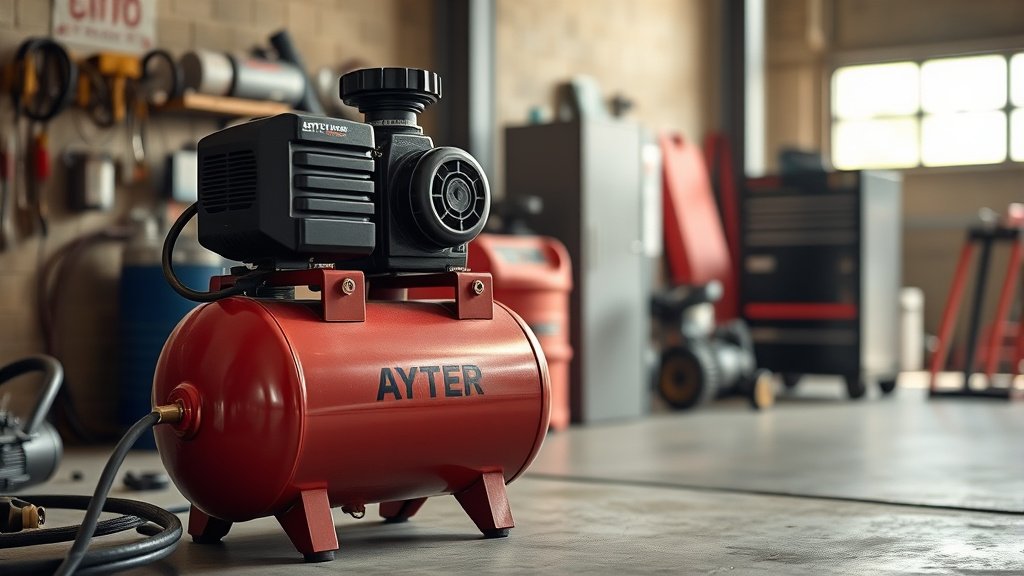
Your Auto Body Shop’s New Best Friend: Finding the Right Air Compressor
An air compressor is the lifeblood of any auto body shop, powering everything from spray guns to impact wrenches. Choosing the right one isn’t just about getting a tool; it’s about investing in efficiency, productivity, and the quality of your work. With so many options available, understanding the key features will help you make a purchase that serves your shop well for years to come.
The Engine Room: What Powers Your Paint and Power Tools
When evaluating air compressors, focus on a few critical specifications that directly impact performance.
- Horsepower (HP): This is a general indicator of the compressor’s power. Higher horsepower typically means more air delivery and the ability to run more demanding tools simultaneously.
- Tank Size: A larger tank stores more compressed air, allowing tools to run for longer periods without the compressor cycling on as frequently, which is crucial for sustained tasks like painting.
- CFM (Cubic Feet per Minute): This measures the volume of air the compressor can deliver. Match the CFM rating to the requirements of your most air-hungry tools to ensure they operate at peak performance.
- PSI (Pounds per Square Inch): This indicates the maximum pressure the compressor can produce. Most auto body applications require a certain PSI to function correctly, so ensure the compressor meets or exceeds these needs.
- Duty Cycle: This tells you how long the compressor can run continuously before needing to cool down. A higher duty cycle is essential for busy shops where tools are in constant use.
Red Flags on the Shop Floor: Common Purchasing Blunders
Navigating the air compressor market can be tricky. Be aware of these common missteps.
- Underestimating the air requirements of your specific tools. Always check the CFM and PSI needs of your most frequently used equipment.
- Prioritizing a lower upfront cost over long-term reliability and performance. A cheap compressor that breaks down frequently will cost more in lost productivity.
- Forgetting about noise levels. Some compressors can be extremely loud, impacting the work environment. Consider models with noise-reduction features if this is a concern.
Powering Your Auto Body Shop: The Final Decision
For heavy-duty, continuous use like sandblasting and large paint jobs, the Campbell Hausfeld 80-Gallon and VEVOR 80 Gallon are your workhorses. If you need robust performance but have slightly less space or demand, the Ingersoll Rand 2340L5-V and Campbell Hausfeld 60-Gallon are solid two-stage options. For more mobile or intermittent needs, the VEVOR 25-Gallon, Klutch 29-Gallon, and the smaller VEVOR units offer good portability and sufficient power for tire inflation and smaller spray tasks.
All these compressors deliver the CFM and PSI needed to keep your auto body shop running smoothly. Don’t wait – click the buttons to check current availability and bring the right power to your workspace!
Final 3 Picks: Heavy Duty Shops
Ready to decide? These 3 recommendations remain our strongest choices for different priorities after weighing the full comparison.
Campbell Hausfeld 80-Gallon
- 80-gallon vertical tank
- 16.0 CFM at 90 PSI
- 5 HP single-phase motor
VEVOR 80 Gallon Air Compressor
- 6.5 HP oil-free motor
- 15.5 SCFM at 90 PSI
- 80-gallon stationary tank
Ingersoll Rand 2340L5-V
- 5 HP, two-stage pump
- 60-gallon vertical tank
- 175 PSI max pressure