Dyson vs Winix Air Purifier: Which is Better
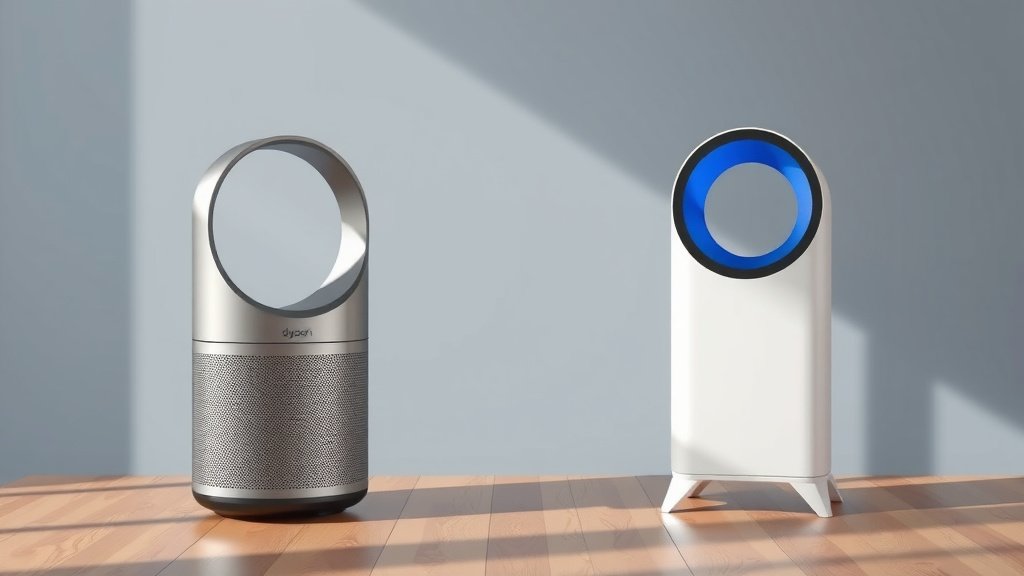
When choosing between a Dyson and a Winix air purifier, consider that Dyson often excels in advanced filtration technology and smart features, while Winix typically offers a strong balance of performance and affordability. Both brands are popular for improving indoor air quality, but they approach it with different priorities and price points.
You’re likely looking to breathe easier, and both Dyson and Winix have a lot to offer. We found that Dyson’s units often integrate with smart home systems and boast sleek designs, whereas Winix units are praised for their straightforward operation and effective HEPA filtration for everyday use. Your best choice depends on your specific needs and budget.
- Dyson: Known for high-tech features, smart connectivity, and often a higher price tag.
- Winix: Offers reliable performance and HEPA filtration at a more accessible price.
- Key difference: Dyson focuses on integrated smart technology, while Winix prioritizes effective, no-frills air cleaning.
- Think about your budget and desired smart home integration.
Let’s break down what makes each of these air purifiers stand out, so you can make the best decision for your home’s air.
“`htmlComparing Dyson and Winix Air Purifiers
When you’re looking to improve your home’s air quality, choosing the right air purifier can feel like a big decision. You’ve probably seen both Dyson and Winix brands mentioned. They both aim to clean your air, but they go about it in different ways. We’ve found that Dyson often leans into high-tech features and smart connectivity, while Winix typically focuses on delivering solid performance at a more accessible price point. Let’s break down what each brand brings to the table to help you decide which one is the better fit for your needs and budget.
Understanding Filtration Technology
At the heart of any air purifier is its ability to trap pollutants. Both Dyson and Winix use HEPA filters, which are widely recommended for capturing tiny particles. However, their approaches to filtration and the types of pollutants they target can differ.
Dyson’s Advanced Filtration Approach
Dyson units often boast multi-stage filtration systems. These typically include a HEPA filter for allergens and fine particles, and an activated carbon filter for odors and gases. Many Dyson models also include a special layer designed to capture formaldehyde. This gas can be emitted from household products and can linger in the air. Research shows formaldehyde is a common indoor air pollutant (Environmental Protection Agency). Dyson’s integrated approach aims to tackle a broader range of airborne contaminants.
Winix’s Reliable HEPA Filtration
Winix air purifiers are known for their effective use of True HEPA filters. These are designed to capture 99.97% of airborne particles as small as 0.3 microns. Think dust, pollen, pet dander, and mold spores. Many Winix models also feature activated carbon filters, often made from washable materials, to help with odors. Some also include their PlasmaWave technology, which creates hydroxyls to break down pollutants at a molecular level, though some users prefer to turn this feature off.
Particle Capture Comparison
While both brands effectively capture common allergens, Dyson’s multi-layer systems, particularly those targeting specific gases like formaldehyde, might offer a more comprehensive solution for some households. We found that Dyson’s technology is often geared towards users who want to address a wide spectrum of air quality issues in one unit.
Smart Features and Connectivity
In today’s connected homes, smart features are becoming increasingly important. How do Dyson and Winix stack up in this area? This is where you’ll find some of the most significant differences between the two brands.
Dyson’s Smart Home Integration
Dyson is a leader in integrating air purifiers with smart home technology. Their units often connect to Wi-Fi and can be controlled via a smartphone app. This app allows you to monitor your indoor air quality in real-time, see pollution levels, and control the purifier’s settings remotely. You can often schedule purification times or adjust fan speeds from anywhere. Many Dyson models are also compatible with voice assistants like Amazon Alexa or Google Assistant. This makes controlling your air purifier as easy as speaking a command.
Winix’s Smart Capabilities (and When They’re Present)
While not all Winix models are “smart,” many of their higher-end units do offer app connectivity. These models might allow for remote control, air quality monitoring, and scheduling through a dedicated app. However, the depth of integration and the user interface of the apps can vary more widely with Winix compared to Dyson. It’s important to check the specific model you’re interested in to see if it includes these smart features.
Connectivity for Your Lifestyle
If you live in a smart home ecosystem and love having control at your fingertips, Dyson often provides a more polished and integrated experience. Winix offers smart features on select models, which can be a great option if you want connectivity without necessarily paying a premium for it across their entire range.
Design and User Experience
Beyond performance, how a unit looks and how easy it is to use are also important factors. Both brands offer distinct design philosophies and user experiences.
Dyson: Sleek and Functional Design
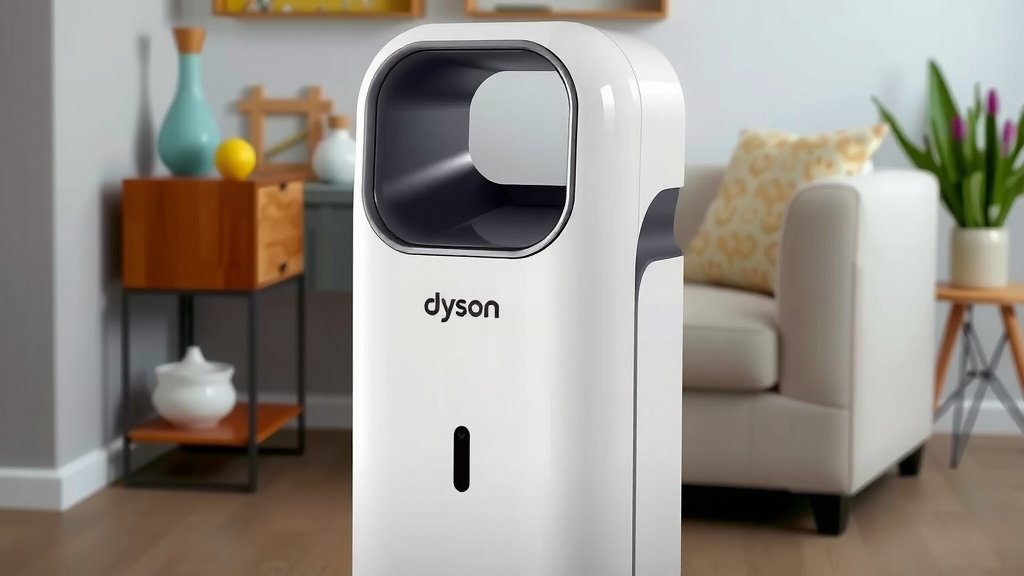
Dyson air purifiers are known for their modern, minimalist aesthetic. They often feature bladeless designs, which not only look unique but also make them safer for homes with children and pets, as there are no exposed spinning blades. The build quality is generally high, with premium materials. Operation is typically intuitive, with clear displays and responsive controls. Many Dyson units also double as fans or heaters, offering multi-functional value.
Winix: Practical and User-Friendly
Winix units tend to have a more traditional, functional design. They are built to be effective air purifiers first and foremost. While they might not always have the same high-end aesthetic as Dyson, they are designed for ease of use. Controls are usually straightforward, often with simple buttons and clear indicator lights. Many Winix models are also relatively compact and designed to fit into most home decors without being overly obtrusive.
Ease of Maintenance
When it comes to filter replacement, both brands generally make it a simple process. Dyson often has a click-in system for its filters. Winix filters are also typically easy to access and replace. Keep in mind that replacement filter costs are an ongoing expense for both.
Price and Value Proposition
The cost of an air purifier is often a deciding factor. How do Dyson and Winix compare in terms of upfront cost and long-term value?
Dyson: The Premium Investment
Dyson air purifiers typically come with a higher price tag. This is reflective of their advanced technology, smart features, multi-functionality (like heating or cooling), and premium design. If you’re looking for the latest innovations and a device that seamlessly integrates with your smart home, Dyson often represents a significant investment. The long-term value comes from their robust feature sets and often durable build quality.
Winix: Accessible Performance
Winix generally offers a more budget-friendly option. You can often find highly effective HEPA air purifiers from Winix at a fraction of the cost of comparable Dyson models. This makes them a popular choice for many households looking for reliable air cleaning without breaking the bank. The value here lies in delivering strong core air purification performance at an accessible price point. Many experts suggest HEPA filtration is the most critical feature for air purifiers (American Lung Association).
Long-Term Costs
Beyond the initial purchase price, consider the cost of replacement filters. Both brands require filter changes, and the frequency and cost can vary by model. It’s a good idea to factor these ongoing expenses into your decision.
Who Should Choose Which?
Deciding between Dyson and Winix really comes down to your priorities. Here’s a quick guide based on what we’ve seen:
- Choose Dyson if: You want the latest smart home integration, advanced features like formaldehyde capture, a multi-functional unit (fan/heater), and a premium, modern design, and your budget allows for it.
- Choose Winix if: You’re looking for effective HEPA filtration, reliable performance, straightforward operation, and excellent value for your money. Smart features are a bonus if available on the model you choose.
Ultimately, both brands can help you breathe cleaner air. It’s about finding the air purifier that best matches your specific needs, lifestyle, and budget.
“`Conclusion
You’ve seen how Dyson and Winix air purifiers approach cleaning your air with different strengths. Dyson brings smart technology and advanced features, often with a premium design. Winix, on the other hand, offers reliable HEPA filtration and solid performance at a more accessible price point. Think about your home’s specific needs, whether it’s smart integration or budget-friendly effectiveness. Your best next step is to look at specific models from each brand that align with the priorities you’ve identified.
Frequently Asked Questions
Which brand is better for allergies?
Both Dyson and Winix use True HEPA filters, which are excellent for capturing common allergens like pollen, dust, and pet dander. Dyson might offer an edge if you need to tackle a wider range of pollutants, including specific gases like formaldehyde, with its multi-stage filtration.
Are Winix air purifiers as effective as Dyson?
Winix air purifiers are highly effective at basic air purification, especially with their True HEPA filters. Dyson often adds more advanced features and potentially more sophisticated multi-stage filtration. For core air cleaning, Winix provides excellent performance for its price, while Dyson offers a broader tech package.
Do I really need smart features in an air purifier?
Smart features like app control and real-time air quality monitoring can be very convenient. If you enjoy managing your home’s environment remotely or want detailed insights into your air quality, smart features are beneficial. If you prefer simpler operation, many Winix models offer effective purification without them.
Which brand has lower long-term costs?
You’ll need to consider the ongoing cost of replacement filters for both brands. While Winix units typically have a lower upfront cost, filter replacement prices can be comparable. It’s wise to check the cost and lifespan of filters for specific models you’re considering from either brand.
Can a Dyson purifier replace a fan or heater?
Some Dyson air purifier models are designed to be multi-functional, offering features like heating or cooling fan capabilities in addition to air purification. Winix air purifiers generally focus solely on air purification, so you would still need separate appliances for temperature control.

![5 Best Air Purifiers for Dust Allergy [In 2026]](https://homeunderstandable.com/wp-content/uploads/2025/04/best-air-purifiers-for-dust-allergy.jpg)