How Many Air Purifiers Do You Need for Your Home
You likely need more than one air purifier for your entire house. While one might help a single room, air quality experts generally recommend placing a purifier in each major living space or room where you spend the most time. This ensures effective air cleaning throughout your home.
Determining the right number involves understanding room size and specific air quality needs. Simply buying one large unit won’t cover all your bases. Many homeowners find that placing purifiers strategically provides the best overall air purification for their family.
- Consider each main room as a potential spot.
- Think about where you spend the most time.
- Factor in the size of each room.
- Pets, allergies, or smoke might mean needing more units.
Let’s walk through exactly how to figure out the right number of air purifiers for your home, so you can breathe a little easier.
Figuring Out How Many Air Purifiers Your Home Needs
You might be wondering if one air purifier is enough for your whole house. The short answer is: probably not. Air quality experts often recommend placing purifiers in key areas where you spend the most time. Think of it like cleaning your house; one broom doesn’t clean every room, right? It’s the same idea with air purification. You need to cover the spaces where your family breathes the most.
Several factors go into deciding how many units you’ll need. It’s not just about the square footage of your home. Your lifestyle and specific health concerns play a big role. Let’s break down what you should consider so you can make the best choice for your household.
Room Size Matters Most
The first major factor in deciding how many air purifiers you need is the size of the room. Air purifiers are rated by the square footage they can effectively clean. This is usually called their CADR (Clean Air Delivery Rate) or the “room size coverage.” A small unit designed for a bedroom won’t do much in a large living room. You need to match the purifier’s power to the space it’s supposed to clean.
Understanding Room Coverage Ratings
When you look at an air purifier, you’ll see a recommended room size. This rating is usually based on how quickly the unit can clean the air in that space. For example, a purifier might be rated for a 200-square-foot room. If your living room is 400 square feet, one unit won’t be enough. You might need two for that space or one larger, more powerful unit.
Many manufacturers suggest a purifier should be able to cycle the air in a room at least two to five times per hour. This ensures that pollutants are captured quickly. For serious allergy or asthma sufferers, aiming for more air changes per hour is often recommended by health organizations (American Lung Association).
Measuring Your Living Spaces
To figure out what you need, grab a tape measure and a notepad. You need to know the length and width of your main living areas. Multiply these numbers to get the square footage. For a rectangular room, it’s length x width. If you have an open-concept living space, measure the entire area that you want to purify.
Don’t forget to consider spaces like finished basements or large home offices. These are often areas where people spend a good amount of time. You’ll want to calculate the square footage for each of these rooms as well. This detailed measurement will be your guide.
Where Do You Spend Your Time?
Think about where your family spends the most time throughout the day. Is it the living room where you gather in the evenings? The kitchen where meals are prepared and often eaten? Or perhaps the bedrooms where everyone sleeps? These are the primary areas where you’ll want to focus your purification efforts.
High-Traffic Zones
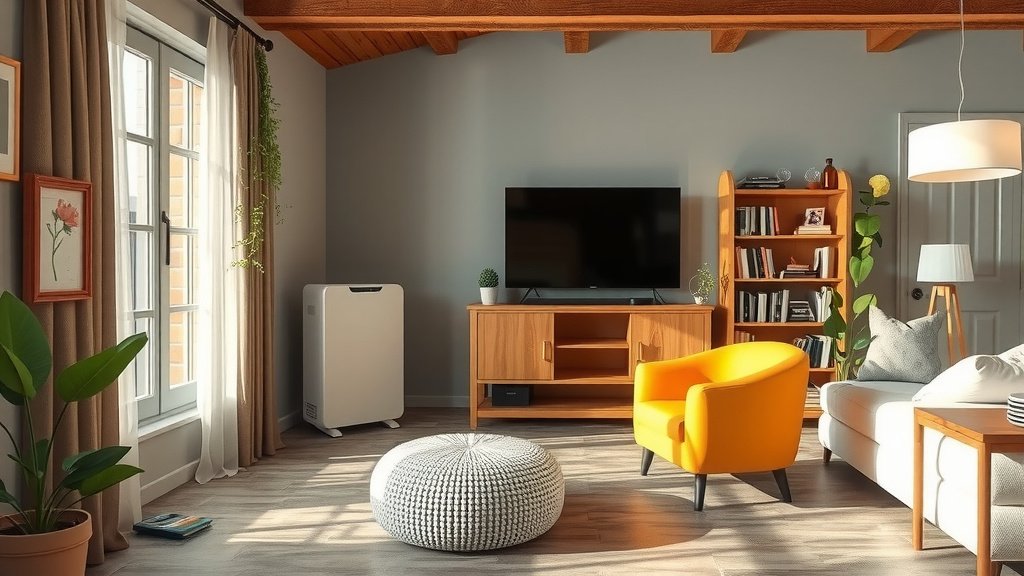
The living room is a common spot for an air purifier. It’s where you might entertain guests, watch TV, or simply relax. If you have pets or cook a lot, this space can accumulate dust, dander, and cooking odors quickly. Placing a unit here makes a lot of sense to maintain fresh air for everyone.
Similarly, if your family eats meals in the living room or a connected dining area, consider that a high-traffic zone. The goal is to ensure the air is clean where you are most active. This might mean dedicating a purifier to this central hub of your home.
Restful Retreats: Bedrooms
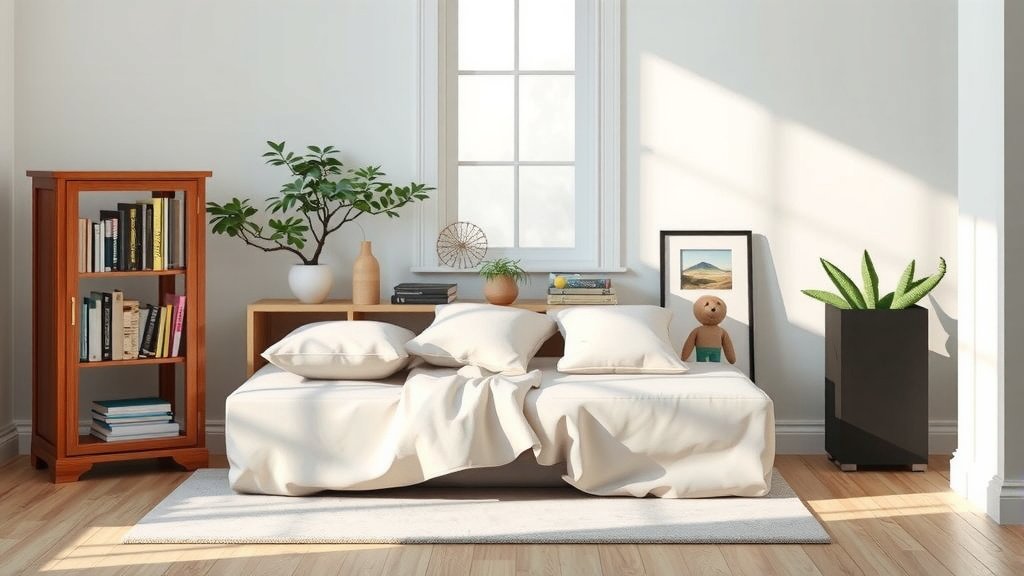
Your bedroom is where you spend about a third of your life sleeping. Good air quality here is essential for restful sleep and overall health. Many people experience allergies that are worse at night. A dedicated air purifier in each bedroom can help reduce allergens like dust mites and pollen while you sleep.
Consider bedrooms for children, especially those with asthma or allergies. A smaller, quieter unit might be perfect for a child’s room. This ensures they have cleaner air throughout the night without disturbing their sleep. It’s a small investment for better health.
Specific Air Quality Concerns
Beyond just general air freshness, certain situations call for more or better-placed air purifiers. Do you have pets? Do family members suffer from allergies or asthma? Is there a smoker in the house, or do you live near a busy road or industrial area? These are all factors that can increase indoor air pollution.
Pets and Dander
If you have furry friends, you likely have pet dander, fur, and odors. Dander is a common allergen that can cause sneezing, itchy eyes, and respiratory issues. Air purifiers with HEPA filters are excellent at capturing these tiny particles. If you have multiple pets or a pet that spends a lot of time indoors, you may need a purifier in each main living area where the pet frequents, not just one.
Allergies and Asthma
For individuals with allergies or asthma, air quality is especially important. Pollen, dust mites, mold spores, and pet dander can trigger symptoms. The EPA recommends air purifiers with HEPA filters for allergy and asthma sufferers to remove these airborne irritants (EPA).
If you have multiple family members with significant allergies, you might consider purifiers for each affected person’s bedroom in addition to common areas. This provides targeted relief where they spend their most sensitive time.
Smoke and Odors
Smoke, whether from tobacco or cooking, contains fine particles and strong odors that can linger. Air purifiers with activated carbon filters are particularly effective at absorbing these odors and gases. If someone in your home smokes, or if you frequently cook strong-smelling foods, you’ll want a purifier with a robust carbon filter in the affected areas. This might mean needing a unit in the kitchen and a separate one in a common room.
A Simple Checklist for Your Home
To help you decide, here’s a quick checklist to get you started:
- Measure the square footage of your main living areas.
- Identify where your family spends the most time daily.
- Note any pets, smokers, or individuals with allergies/asthma.
- Consider rooms like home offices or finished basements.
- Match purifier coverage ratings to your room sizes.
- Think about adding units for specific concerns like smoke or odors.
Balancing Power and Placement
Sometimes, instead of buying multiple smaller units, you might opt for one or two larger, more powerful air purifiers. These are designed for much bigger spaces. A single high-powered unit could potentially cover an entire open-concept living area or even a whole floor, depending on its rating and your home’s layout.
However, a drawback of this approach is that a single large unit might not be as effective if it’s placed in just one corner of a vast space. Air needs to circulate to reach the purifier. So, even with a powerful unit, strategic placement is key. You might still benefit from a smaller unit in a bedroom, for instance.
We found that many households find a combination works best. Perhaps one robust unit for the main living area and a smaller, quieter unit for the master bedroom. This balanced approach can provide excellent air quality throughout your home without being overly complicated or expensive.
Conclusion
You’ve learned that determining the right number of air purifiers for your home involves more than just counting rooms. It’s about understanding room size, where your family spends the most time, and any specific air quality concerns you might have. Matching a purifier’s coverage to your space and placing it strategically in high-traffic or sensitive areas is key. By following the steps to measure your rooms and assess your needs, you can make an informed decision. Start by measuring your largest living area and assess your family’s primary activities there.
Frequently Asked Questions
Can one large air purifier cover my whole house?
Generally, one large air purifier is unlikely to cover an entire average-sized home effectively. While powerful units can handle larger spaces, air circulation limitations mean it may not reach every corner. For best results, it’s usually recommended to place purifiers in each major living space or the rooms you use most.
How do I know if I need more than one air purifier in my bedroom?
You likely don’t need more than one air purifier for a standard-sized bedroom. The main goal is to ensure the unit is appropriately sized for that specific room’s square footage. If you have an unusually large master suite or a room with very poor air quality, a second smaller unit could be considered, but it’s rare.
Should I get a different type of air purifier for smoke vs. allergies?
Yes, different filters target different pollutants. For smoke and strong odors, look for units with substantial activated carbon filters. For allergies and asthma triggered by dander, pollen, and dust, a HEPA filter is essential. Many purifiers combine both for comprehensive cleaning.
What if I have an open-concept living space?
For open-concept areas, measure the total square footage you want to cover and choose a purifier with a high CADR rating designed for large rooms. You might need one powerful unit strategically placed, or potentially two units placed on opposite sides to ensure even air cleaning. Placement is critical to allow for proper air circulation.
How often should I run my air purifiers?
Most air purifiers are designed to run continuously on their lowest setting for optimal air quality. This ensures constant circulation and filtration of airborne particles. Running them 24/7 helps maintain a consistent level of clean air in your home, especially in rooms where people spend a lot of time.