
Halogen Ovens vs Air Fryer: Which Is More Worth It?
If you’re standing in the kitchen appliance aisle feeling overwhelmed by choices, you’re definitely not alone. The debate between halogen ovens and air fryers has become increasingly heated—no pun intended—as more home cooks seek faster, healthier cooking alternatives. But which one actually deserves a spot on your countertop? Let me walk you through everything you need to know.
Understanding Halogen Ovens and How They Work
Let’s start by demystifying the halogen oven. Think of it as a smaller, more efficient cousin of your traditional kitchen oven. A halogen oven uses a halogen bulb that produces intense heat and light energy. This energy radiates throughout the cooking chamber, creating what many people describe as a convection effect that cooks food from multiple angles simultaneously.
The magic happens because halogen bulbs generate heat incredibly quickly. Unlike conventional ovens that might take 15-20 minutes to preheat, a halogen oven reaches its desired temperature in just a few minutes. The heat is distributed through a powerful fan system that circulates hot air around your food, ensuring even cooking throughout.
Key Features of Halogen Ovens
- Rapid heating capability—reaches temperature in minutes rather than 20+ minutes
- Glass bowl construction allowing you to see your food cooking
- Multiple temperature settings ranging from low to high
- Usually includes wire racks and extension rings for increased capacity
- Cooking times typically 20-30 percent faster than traditional ovens
Getting to Know Air Fryers
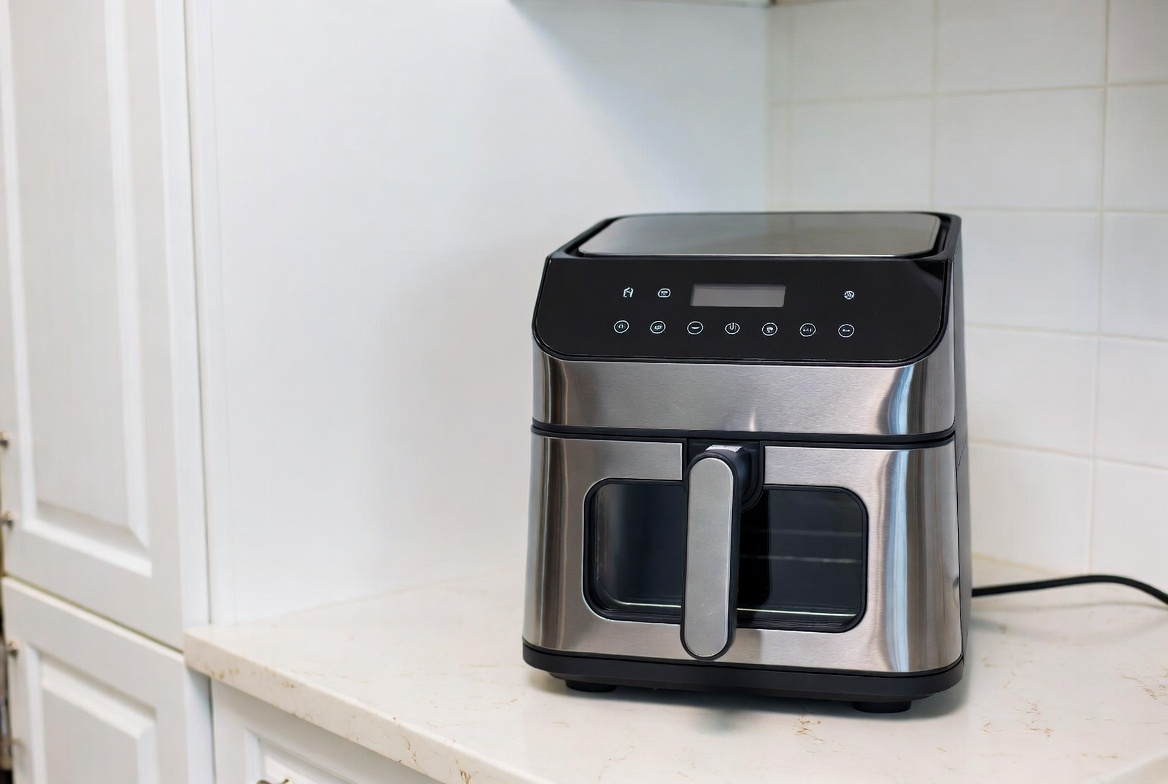
Air fryers have exploded in popularity over the past few years, and honestly, it’s not hard to see why. These compact appliances use rapid air circulation technology to create a crispy exterior on food while keeping the inside moist and tender. But here’s the thing—despite the name, air fryers aren’t actually frying in the traditional sense. There’s no oil involved unless you choose to add a light spray.
An air fryer works by heating air to extremely high temperatures, sometimes exceeding 400 degrees Fahrenheit, and circulating it at high speeds around your food. This intense heat and air movement mimics the results you’d get from deep frying, but with significantly less oil and fewer calories.
Key Features of Air Fryers
- Compact size—takes up minimal counter space
- Quick heating—most models preheat in 3-5 minutes
- Digital controls with preset cooking programs
- Basket-style cooking chamber making cleanup easier
- Temperature ranges typically from 180°F to 400°F
- Excellent for frozen foods and ready-to-eat meals
Cooking Speed and Performance Comparison
When it comes to speed, both appliances are impressively fast. However, they excel in different areas. Air fryers generally have a slight edge in terms of preheating speed. You can usually get an air fryer ready to go in about three to five minutes, whereas a halogen oven might take five to ten minutes depending on the model and desired temperature.
For actual cooking time, things get more interesting. Air fryers are incredibly fast for smaller portions. If you’re cooking french fries, chicken wings, or a portion of vegetables for one or two people, an air fryer might finish the job in 12-15 minutes. However, halogen ovens can handle larger batches and sometimes cook items just as quickly because their heating element is so powerful.
Cooking Performance Breakdown
Let me give you some real examples. A batch of frozen chicken nuggets? Both appliances can handle this in about 12 minutes. A whole chicken or a large roast? The halogen oven becomes more practical because it has the capacity and heat distribution to cook larger items evenly. A pound of french fries? The air fryer will deliver superior crispiness in about 15 minutes.
Energy Efficiency: Which Saves You Money?
This is where things get practical. Both halogen ovens and air fryers are considerably more energy-efficient than traditional ovens because they cook faster and use less total energy. But which one saves you more money on your electricity bill?
Air fryers typically consume between 800-1500 watts of power, while halogen ovens usually use between 600-1300 watts. However, the real answer depends on cooking time. A halogen oven’s superior heating power means it often cooks food in less total time, which can translate to lower overall energy consumption for certain dishes.
Breaking Down the Numbers
If you’re cooking frequently, the differences might add up to $5-15 annually—not exactly life-changing savings. However, when you compare either of these appliances to a traditional oven, the savings become more significant. Using a halogen oven or air fryer instead of your main oven could save you 30-40 percent on cooking-related energy costs over a year.
Capacity and Cooking Versatility
Here’s where these appliances show their most significant differences. Halogen ovens, especially larger models, offer considerably more cooking capacity. Some models come with extension rings that allow you to increase the height of the cooking chamber, essentially doubling your cooking space. This makes them ideal for family meals or when you’re cooking for guests.
Air fryers, by contrast, have smaller cooking chambers. Most standard models accommodate about 2-4 servings comfortably. If you’re cooking for a family of five or more, you’ll likely need to cook in batches, which can be frustrating.
Versatility in Cooking Methods
When it comes to what you can cook, halogen ovens offer greater versatility. You can roast entire chickens, bake casseroles, cook pizza, broil fish, and even defrost food. Air fryers are more limited. They excel at cooking frozen foods, reheating items, and creating crispy textures, but they’re less suitable for baking traditional items or cooking foods that require liquids like soups or stews.
Ease of Use and Learning Curve
Air fryers win hands down when it comes to user-friendliness. Most models feature simple digital controls with preset buttons for common foods like chicken, vegetables, or seafood. You pop your food in the basket, press a button, and you’re done. It’s genuinely that simple.
Halogen ovens require slightly more thought and adjustment. You need to set the temperature and cooking time manually, and you might need to adjust the cooking rack position depending on what you’re preparing. That said, they’re still quite user-friendly—there’s just a slight learning curve as you figure out optimal settings for different foods.
Control and Customization
Interestingly, halogen ovens offer more control and customization for serious cooks. You can adjust temperature in smaller increments and have more flexibility in positioning your food at different heights. If you’re someone who likes to tinker and experiment, a halogen oven might feel more rewarding than an air fryer’s preset options.
Health Benefits of Both Appliances
Both halogen ovens and air fryers promote healthier cooking compared to traditional deep frying or conventional oven usage. Here’s why.
Air fryers require little to no oil to achieve crispy results, making them exceptional for reducing calorie intake. If you’re watching your weight or managing dietary restrictions, air fryers can help you enjoy fried foods with 70-80 percent fewer calories than traditional deep frying methods.
Halogen ovens don’t necessarily reduce oil usage, but they cook so efficiently that they preserve more nutrients in your food. The faster cooking time means less nutrient loss, particularly for vegetables that can lose vitamins during prolonged heating.
Nutritional Advantages
- Both reduce cooking time, preserving water-soluble vitamins in vegetables
- Air fryers enable oil-free or low-oil cooking for reduced calorie intake
- Halogen ovens cook evenly, preventing nutrient-destroying hot spots
- Neither appliance requires added preservatives or additives
- Both allow you to avoid processed foods with hidden calories and sodium
Price Comparison and Value for Money
Let’s talk budget. Air fryers generally range from $50 to $300, depending on brand, capacity, and features. You can find basic models that work perfectly well for under $100. Halogen ovens typically cost between $60 and $250, with similar variation based on size and quality.
The entry-level models of both appliances are comparable in price. However, a high-quality halogen oven with larger capacity might cost more upfront than a standard air fryer. The question is whether the additional capacity justifies the expense for your household.
Calculating Long-Term Value
If you’re cooking for just yourself or a couple, an air fryer likely offers better value because you’ll use its full capacity regularly. If you’re cooking for a family of four or more, a halogen oven might be the better investment because you won’t constantly need to cook in batches.
Maintenance and Cleaning Requirements
Nobody enjoys cleanup, so let’s address this honestly. Air fryers are relatively easy to clean. The basket and tray are typically dishwasher-safe or can be hand-washed quickly. The main chamber rarely needs deep cleaning because food doesn’t splatter inside it as much.
Halogen ovens require more attention. The glass bowl can develop splatters and residue that need regular wiping. The heating element stays clean automatically, but the glass chamber is something you’ll need to maintain. However, most people find this maintenance manageable with a simple wipe-down after cooking.
Maintenance Checklist
Air Fryer:
- Empty basket after each use
- Wipe interior with paper towels
- Wash basket and tray weekly or after cooking oily foods
- Check heating element occasionally for buildup
Halogen Oven:
- Wipe glass bowl after cooking
- Remove and clean cooking racks as needed
- Check seal around lid periodically
- Monitor halogen bulb brightness for eventual replacement
Kitchen Space Considerations
If kitchen real estate is precious in your home, air fryers are the clear winner. These compact units typically measure around 10 by 10 by 8 inches, fitting comfortably on a shelf or in a cabinet. Halogen ovens are bulkier. The glass bowl and stand combo can take up a space roughly 14 by 14 by 12 inches.
That said, some people keep their air fryer on the counter permanently while storing the halogen oven, or vice versa. Think about your lifestyle and what appliances you use most frequently.
Cooking Quality and Results
This is where personal preference comes into play significantly. Air fryers excel at creating crispy, golden-brown exteriors on foods. Your french fries will be restaurant-quality. Your chicken wings will be tender inside with a perfect crunch outside. The Maillard reaction—that beautiful browning that makes food taste delicious—happens beautifully in air fryers.
Halogen ovens produce more evenly cooked results across larger batches. If you’re cooking a whole chicken for the family, the halogen oven will deliver meat that’s cooked consistently throughout. The skin might not be quite as crispy as an air fryer would produce, but the overall result is excellent.
Texture and Taste Outcomes
For crispy, fried textures: Air fryer wins. For evenly cooked larger meals: Halogen oven wins. For baking and broiling: Halogen oven has the advantage. For reheating and quick meals: Air fryer is superior.
Durability and Longevity
Both appliances can last several years with proper care. Air fryers generally have fewer components that can fail, making them potentially more reliable. The main wear item is the heating element, which usually lasts many years.
Halogen ovens are also quite durable, but the halogen bulb will eventually need replacement, which typically costs $20-40. The glass bowl is durable but can break if dropped or subjected to thermal shock. Both appliances should provide 3-7 years of reliable service with normal use.
Real-World User Experiences
Based on countless reviews and user feedback, here’s what actual owners say. Air fryer owners love the convenience and speed for everyday meals. Parents appreciate being able to cook frozen foods quickly and safely. However, some users feel disappointed by the small capacity and the need for frequent batch cooking.
Halogen oven owners appreciate the larger capacity and cooking versatility. They love being able to see their food cooking through the glass. Some mention that it becomes their go-to appliance because it handles so many tasks. The main complaints involve the space it takes up and occasional difficulty getting perfectly crispy results on smaller items.
Which One Wins in Specific Scenarios?
For Busy Families with Kids
The air fryer wins here. Quick cooking times and simple operation mean dinner can be on the table in minutes. The ability to cook frozen meals without thawing is invaluable when you’re juggling schedules.
For Home Entertaining
The halogen oven is your friend. You can cook for multiple guests without requiring multiple batches. A whole roasted chicken, a tray of roasted vegetables, and dinner rolls can all happen simultaneously.
For Health-Conscious Cooks
The air fryer edges out slightly here due to its oil-free cooking capability. If you’re specifically trying to reduce fat intake, an air fryer aligns better with your goals.
For Adventurous Home Cooks
The halogen oven offers more versatility. You can experiment with different cooking techniques, temperatures, and rack positions, giving you more control over your results.
For Small Apartments
The air fryer is obviously superior due to its compact size. In a kitchen where counter space is limited, this advantage alone might be decisive.
Final Verdict: Making Your Decision
So which should you buy? Honestly, the answer depends entirely on your specific situation. Let me help you think through it.
Choose an
![5 Best Air Fryer for 3 People [In 2026]](https://homeunderstandable.com/wp-content/uploads/2026/03/5-Best-Air-Fryer-for-3-People.jpg)

![5 Best Air Fryer Dinner Recipes for Two [In 2026]](https://homeunderstandable.com/wp-content/uploads/2026/03/5-Best-Air-Fryer-Dinner-Recipes-for-Two.jpg)