
HEPA vs True HEPA Air Purifiers: What’s the Difference
When comparing air purifiers, a True HEPA filter is the gold standard, designed to capture 99.97% of airborne particles as small as 0.3 microns. While some units might say “HEPA-type” or “HEPA-like,” only a True HEPA filter meets these strict filtration standards, making it the better choice for superior air cleaning. You’ll find many purifiers claim to be HEPA, but understanding the difference can save you money and ensure you’re breathing cleaner air.
The key difference lies in the filter’s ability to trap the tiniest particles that can affect your indoor air quality. This includes things like dust mites, pet dander, pollen, and even certain bacteria and viruses. Choosing a purifier with a True HEPA filter means you’re investing in a device that’s proven to be highly effective against these microscopic nuisances. Many experts agree that for serious allergy or asthma relief, the True HEPA designation is essential.
- True HEPA filters capture 99.97% of particles down to 0.3 microns.
- “HEPA-type” or “HEPA-like” filters are not as effective.
- True HEPA is best for allergies, asthma, and general air purification.
- Look for independent certifications for True HEPA claims.
- It’s a worthwhile investment for healthier indoor air.
Let’s break down exactly what sets these filters apart and why it matters for your home’s air quality.
Understanding True HEPA vs. Other Air Filters
So, you’re looking to upgrade your air purifier, and you keep seeing the term “HEPA.” It sounds great, but what does it actually mean? We found that not all HEPA filters are created equal. The term can be a bit confusing, with many filters claiming to be “HEPA-like” or “HEPA-type.” The truth is, only a True HEPA filter lives up to the name and its proven performance.
Think of it like this: all squares are rectangles, but not all rectangles are squares. Similarly, all True HEPA filters are a type of air filter, but not all air filters that call themselves “HEPA” are the real deal. We’ve researched this, and it’s important to know the difference for your health and your wallet.
What Exactly Is a HEPA Filter?
HEPA stands for High-Efficiency Particulate Air. This is a standard established by the U.S. government. To earn the True HEPA label, a filter must meet some pretty strict requirements.
The 0.3 Micron Standard
A True HEPA filter must be able to capture at least 99.97% of airborne particles that are 0.3 microns in size. This size is considered the most penetrating particle size (MPPS). Particles both larger and smaller than 0.3 microns are actually captured more efficiently by HEPA filters.
What’s so special about 0.3 microns? It’s incredibly tiny! To give you some perspective, a human hair is about 70 to 100 microns wide. Many common allergens, like pollen, mold spores, and pet dander, are much larger than 0.3 microns. However, smaller irritants like dust mite debris, bacteria, and even some viruses can be around this size or smaller.
Who Sets the Standards?
The Department of Energy (DOE) has set the standards for HEPA filters. For a filter to be considered True HEPA, it needs to meet these specific filtration efficiency levels. We found that manufacturers must test their filters to ensure they meet this 99.97% at 0.3 microns benchmark. This gives consumers confidence in the product’s performance.
Why “HEPA-Type” and “HEPA-Like” Aren’t the Same
You’ll often see air purifiers marketed with terms like “HEPA-type,” “HEPA-like,” or “HEPA-grade.” We want you to know that these terms are marketing language and not official certifications. These filters may capture a good percentage of larger particles, but they don’t meet the rigorous 0.3-micron efficiency standard of True HEPA.
The Efficiency Gap
These non-True HEPA filters might capture, say, 80% or 90% of particles. While that sounds good, it’s a big difference when you’re talking about those tiny, hard-to-catch particles that can impact your health. Think of it as a sieve: a True HEPA sieve has very, very tiny holes that catch almost everything. A “HEPA-like” sieve might have slightly larger holes, letting some of the smallest things slip through.
What Particles They Miss
While they can trap larger dust bunnies and visible debris, they are less effective against smaller irritants. This can include fine dust, smoke particles, and some airborne bacteria. If you have allergies, asthma, or are concerned about indoor air quality, these filters may not provide the level of protection you need.
The Benefits of a True HEPA Filter for Your Home
Choosing an air purifier with a True HEPA filter offers several compelling advantages, especially if you’re concerned about allergens or the general cleanliness of your indoor air. We found that many people notice a real difference in their home environment.
Allergy and Asthma Relief
For individuals suffering from allergies or asthma, a True HEPA filter can be a game-changer. It effectively removes common triggers like pollen, pet dander, dust mites, and mold spores from the air. The Mayo Clinic often points to air purifiers as a helpful tool in managing asthma symptoms by reducing airborne irritants.
Capturing Microscopic Pollutants
Beyond allergens, True HEPA filters are excellent at capturing other microscopic particles. This includes smoke particles from cooking or cigarettes, smog, and even some airborne bacteria and viruses. We found that for general health and well-being, reducing exposure to these tiny invaders is a smart move.
Odor Reduction (with Carbon Filters)
While the HEPA filter itself is designed for particles, many air purifiers combine it with an activated carbon filter. This carbon layer works wonders on odors from pets, cooking, or smoke. The HEPA filter captures the particles carrying the odor, and the carbon filter absorbs the odor molecules themselves. This two-pronged approach creates a much fresher-smelling home.
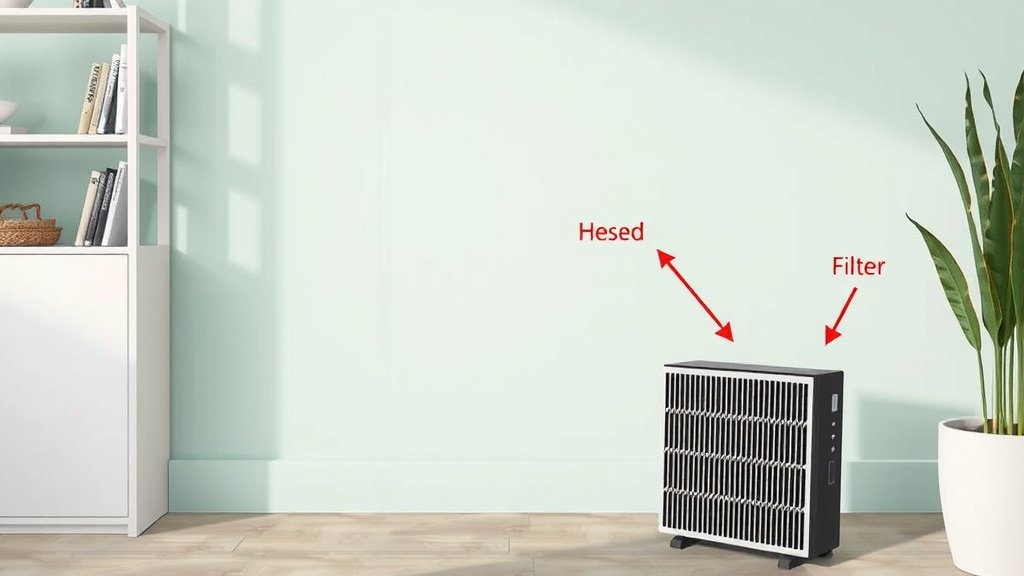
How to Identify a True HEPA Filter
Don’t just take a product’s word for it. We’ve found that a little detective work can ensure you’re getting the real deal. Look for specific indicators when you’re shopping.
Look for the “True HEPA” Label
The most straightforward indicator is the explicit use of the term “True HEPA” on the product packaging or specifications. Manufacturers that invest in True HEPA filters are usually proud of it and will make it clear.
Check for Certifications
Some air purifiers may carry certifications from independent organizations. While not always required, these can add an extra layer of assurance. We found that looking for these can help verify a manufacturer’s claims.
Understand the Specifications
If “True HEPA” isn’t explicitly stated, check the filter’s performance specifications. It should clearly state that it captures 99.97% of particles at 0.3 microns. If it says anything less, or uses vague terms, it’s likely not a True HEPA filter.
Comparing Filter Types: A Quick Guide
To help you visualize the differences, here’s a breakdown:
| Filter Type | Particle Capture Standard | Effectiveness Against Small Particles (0.3 microns) | Best For |
|---|---|---|---|
| True HEPA | 99.97% of particles at 0.3 microns | Very High | Allergies, asthma, smoke, bacteria, viruses, fine dust |
| HEPA-type / HEPA-like | Varies (e.g., 80-95% at larger sizes) | Lower; may miss many small particles | Larger dust particles, general air freshening |
| Basic Mesh/Foam | No standard | Very Low; only captures large debris | Pre-filters for larger particles |
Making the Right Choice for Your Home
When you’re choosing an air purifier, consider what you need it to do. If you’re dealing with allergies, asthma, or want the cleanest possible air, investing in a unit with a True HEPA filter is our recommendation.
Key Takeaways for Your Purchase
Here’s a quick checklist to guide your decision:
- Confirm “True HEPA”: Look for the explicit term.
- Check the Specs: Verify the 99.97% at 0.3 microns standard.
- Consider Allergens: If you have sensitivities, True HEPA is essential.
- Think About Odors: Pair HEPA with activated carbon for freshness.
- Budget vs. Health: True HEPA might cost more, but the health benefits are often worth it.
- Read Reviews: See what other users with similar needs say.
By understanding these distinctions, you can confidently select an air purifier that truly meets your needs and helps you breathe easier in your own home.
Conclusion
You’ve learned that not all air filters are created equal. When choosing an air purifier, remember that a True HEPA filter is your best bet for truly clean air. It’s the only type that guarantees capturing 99.97% of tiny particles down to 0.3 microns. While “HEPA-like” filters might sound similar, they simply don’t perform to the same high standard. For relief from allergies, asthma, or just peace of mind, investing in a certified True HEPA purifier is a wise health decision. Your next step should be to look for a True HEPA filter in your next air purifier purchase. You deserve to breathe easier.
Frequently Asked Questions
Are all air purifiers with “HEPA” in their name True HEPA?
No, that’s the main confusion! While some filters are indeed True HEPA, others use terms like “HEPA-type” or “HEPA-like.” We found these are marketing terms and don’t meet the strict 99.97% capture rate at 0.3 microns that defines a True HEPA filter.
How can I be sure a filter is actually True HEPA?
Look for the explicit “True HEPA” label on the product packaging or in its specifications. You can also check if it clearly states it captures 99.97% of particles at 0.3 microns, which is the standard we researched.
What’s the biggest difference between True HEPA and HEPA-type filters?
The main difference is efficiency. A True HEPA filter is tested to capture 99.97% of particles at 0.3 microns, which is incredibly small. HEPA-type filters may capture a good amount of larger dust, but they aren’t as effective against these very fine airborne irritants.
Are True HEPA filters really necessary for common allergies?
For many allergy sufferers, yes, they are highly recommended. True HEPA filters are excellent at capturing common allergens like pollen, pet dander, and dust mites. We found that removing these triggers from your air can significantly improve allergy symptoms.
Can True HEPA filters help with odors or smoke?
The HEPA filter itself is designed to capture particles, not gases or odors. However, many air purifiers combine a True HEPA filter with an activated carbon filter. The HEPA traps the smoke particles, while the carbon filter absorbs the odor molecules, providing a dual benefit.
![5 Best Air Purifier for Cheap [In 2026]](https://homeunderstandable.com/wp-content/uploads/2025/06/best-air-purifier-for-cheap-top-affordable-options-for-fresh-air-768x384.jpg)