
HEPA vs UV Air Purifier: Which is Right for You
When comparing HEPA vs. UV air purifiers, a HEPA filter is generally your best bet for removing particles like dust, pollen, and pet dander from the air. UV-C light is excellent at inactivating airborne germs, but it doesn’t physically remove them. Think of it this way: HEPA filters trap the gunk, while UV light tries to zap it.
Choosing the right air purifier depends on your main concern. If you’re battling allergies or want cleaner air free of microscopic irritants, a HEPA filter is a solid choice. If you’re more worried about viruses and bacteria floating around, UV-C technology can offer an added layer of defense. Often, you’ll find purifiers that combine both technologies for maximum air cleaning power.
- HEPA filters capture tiny particles like dust and allergens.
- UV-C light kills germs like bacteria and viruses.
- HEPA purifiers are great for allergy sufferers.
- UV purifiers help reduce airborne pathogens.
- Combined units offer comprehensive air cleaning.
So, how do you decide which type is right for your home? Let’s break down what each technology does best.
Understanding How Air Purifiers Clean Your Air
Air purifiers work by pulling air from your room into the unit. Then, they use different technologies to clean that air. Finally, they release the fresh, cleaner air back into your space. It’s like a constant, invisible cleaning crew for your home. You want to know what’s happening inside that box. Let’s look at the two main cleaning methods: HEPA filters and UV-C light.
HEPA Filters: The Microscopic Dustpan
HEPA stands for High-Efficiency Particulate Air. These filters are designed to capture tiny particles. Think of them as incredibly fine nets. They trap things you can’t even see. This makes them fantastic for improving air quality.
What Exactly Do HEPA Filters Catch?
HEPA filters are rated to trap at least 99.97% of particles that are 0.3 microns in size. That’s really, really small! What does that mean for you? It means they capture common airborne irritants like:
- Dust and dust mites
- Pollen from trees and flowers
- Pet dander (those tiny skin flakes pets shed)
- Mold spores
- Certain bacteria
- Some viruses
If you struggle with allergies, a HEPA filter can make a big difference. It physically removes the stuff making you sneeze and sniffle. We found that many allergy sufferers report significant relief after using a HEPA air purifier. Your home will simply feel cleaner.
How HEPA Filters Work
These filters are made of a dense mat of fibers. They are arranged in a random pattern. When air is pushed through, particles get caught in different ways. Some get stuck on the fibers. Others get bounced around and eventually stick. It’s a very effective physical trapping process.
The Lifespan and Maintenance of HEPA Filters
HEPA filters aren’t meant to last forever. They get clogged with all the particles they capture. You’ll need to replace them regularly. The exact timing depends on the unit and your air quality. Most manufacturers recommend replacement every 6 to 12 months. Some units have filter change indicators. This is helpful so you don’t forget!
UV-C Light: The Germ Zapper
UV-C light is a type of ultraviolet light. It’s known for its germicidal properties. This means it can kill or inactivate microorganisms like bacteria, viruses, and mold. Think of it as a disinfecting ray.
How UV-C Light Tackles Germs
When airborne germs pass through the UV-C light within an air purifier, the light damages their DNA. This damage prevents them from reproducing. It effectively neutralizes them. Many public health organizations recognize UV-C light’s ability to disinfect surfaces and air (CDC). It’s a powerful tool against tiny invaders.
What UV-C Light Doesn’t Do
Here’s a key difference: UV-C light doesn’t physically remove particles from the air. It only inactivates the germs. So, while it can kill a virus, the dead virus is still floating around. It won’t get rid of dust, pollen, or pet dander at all. That’s where HEPA filters shine.
Factors to Consider with UV-C Purifiers
For UV-C light to be effective, the germs need enough exposure time. This means the air must pass through the UV chamber slowly enough. You also need to ensure the bulb is still strong. UV-C bulbs degrade over time. They may need replacing too, similar to HEPA filters. Safety is also a consideration. Direct exposure to UV-C light can be harmful to skin and eyes. Good purifiers keep the UV-C light contained within the unit.
HEPA vs. UV: A Side-by-Side Comparison
Let’s break down their strengths in a simple way. It’s not about one being “better” overall, but which is better for your specific needs. We found that understanding their core functions makes the choice much clearer.
| Feature | HEPA Filter | UV-C Light |
|---|---|---|
| Primary Function | Removes particles physically | Inactivates microorganisms |
| What it Targets | Dust, pollen, dander, mold spores, some bacteria/viruses | Bacteria, viruses, mold |
| Doesn’t Remove | Gases, odors | Particles (dust, pollen, dander) |
| Maintenance | Regular filter replacement | Bulb replacement over time |
| Best For | Allergies, general air cleanliness | Reducing airborne pathogens |
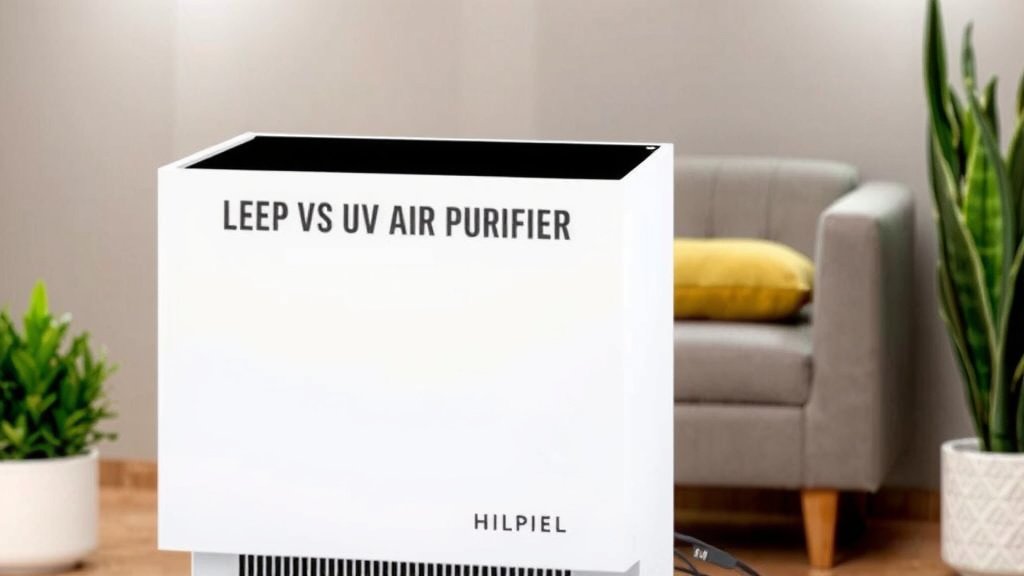
Do You Need Both? The Power of Combination Units
Many air purifiers on the market today offer a dual approach. They combine a HEPA filter with UV-C light technology. This gives you the best of both worlds. The HEPA filter captures all those tiny irritants. Then, the UV-C light works to neutralize any remaining germs. It’s like having a security system and a cleaning crew in one. Many experts suggest that combined units offer the most comprehensive air cleaning.
When a Combined Unit Makes Sense
If you have a mixed set of concerns, a combined unit is often the smartest choice. Perhaps someone in your home has allergies, and you’re also worried about catching colds or flu from airborne viruses. Or maybe you have pets and want to deal with dander, but also want an extra layer of protection against germs.
What to Look for in Combined Units
When choosing a combined unit, pay attention to the quality of both components. Ensure the HEPA filter is true HEPA. Check the specifications for the UV-C light to understand its effectiveness. Some units might also include other features like activated carbon filters for odors and VOCs. This makes them even more versatile.
Making Your Choice: A Quick Checklist
Deciding between HEPA, UV-C, or a combination can feel like a big step. Let this quick checklist guide you toward the best solution for your home:
- What is your biggest air quality concern? Allergens? Germs? Both?
- Do you or someone in your household have allergies? HEPA is key.
- Are you particularly worried about viruses and bacteria? UV-C adds protection.
- What size is the room you want to purify? Ensure the unit is properly sized.
- What is your budget for the unit and ongoing maintenance? Factor in filter/bulb costs.
- Do you want odor control too? Look for activated carbon if needed.
By answering these questions, you can more easily narrow down which type of air purification technology will serve you best. You’re looking for a cleaner, healthier environment. We’re here to help you find it!
Conclusion
Deciding between HEPA and UV air purifiers comes down to your specific needs. HEPA filters excel at physically trapping allergens and particles, making them ideal for allergy sufferers. UV-C light targets and inactivates airborne germs like bacteria and viruses. We found that many homes benefit most from combined units, offering the dual protection of particle removal and germ inactivation. Consider your primary concerns – whether it’s sneezing fits from pollen or worries about spreading germs. Your next step is to assess your home’s air quality needs and choose the technology that best supports your health goals.
Frequently Asked Questions
Can a HEPA filter kill viruses?
A true HEPA filter is designed to capture 99.97% of particles 0.3 microns in size. This includes many bacteria and some viruses. However, it traps them rather than killing them. While this significantly reduces the number of airborne viruses, it doesn’t eliminate them like UV-C light aims to.
Is UV-C light safe to use in my home?
Yes, when used in a properly designed air purifier, UV-C light is safe. Reputable manufacturers ensure the UV-C bulb is fully enclosed within the unit. This prevents direct exposure to your skin or eyes, which can be harmful. The light only interacts with the air passing through the purifier.
How often do I need to replace a HEPA filter or UV bulb?
HEPA filters typically need replacement every 6 to 12 months, depending on usage and air quality. UV-C bulbs also degrade over time and usually need replacing annually. Some purifiers have indicator lights to remind you when maintenance is due.
Will a UV air purifier help with pet dander or dust?
No, UV-C light does not remove physical particles like pet dander or dust from the air. Its function is to inactivate microorganisms. For dust and dander, you will need a HEPA filter, which physically traps these allergens and irritants.
What’s the main difference between HEPA and UV for air purification?
The main difference lies in their action: HEPA filters physically trap particles, removing them from your air supply. UV-C light, on the other hand, uses ultraviolet rays to inactivate or kill airborne germs, but it doesn’t remove them from the air.
![What Is The Best Air Purifier for Gym [In 2026]](https://homeunderstandable.com/wp-content/uploads/2025/05/best-air-purifier-for-gym-top-picks-for-clean-fresh-air-768x512.jpg)