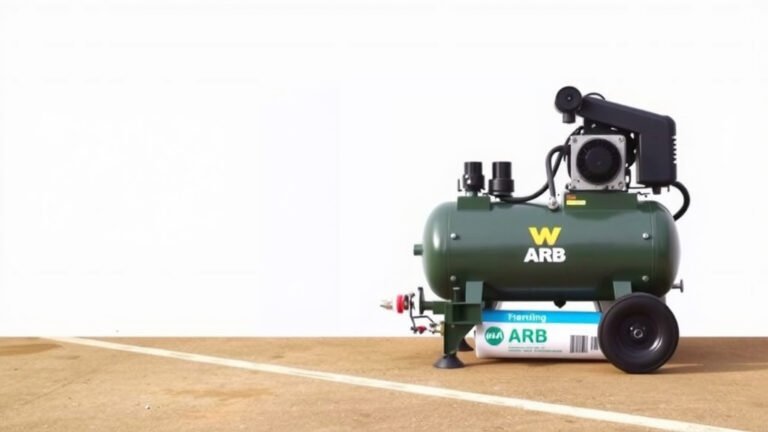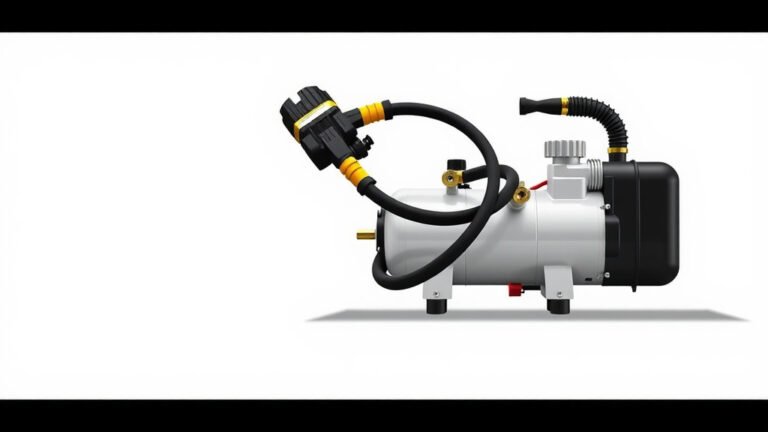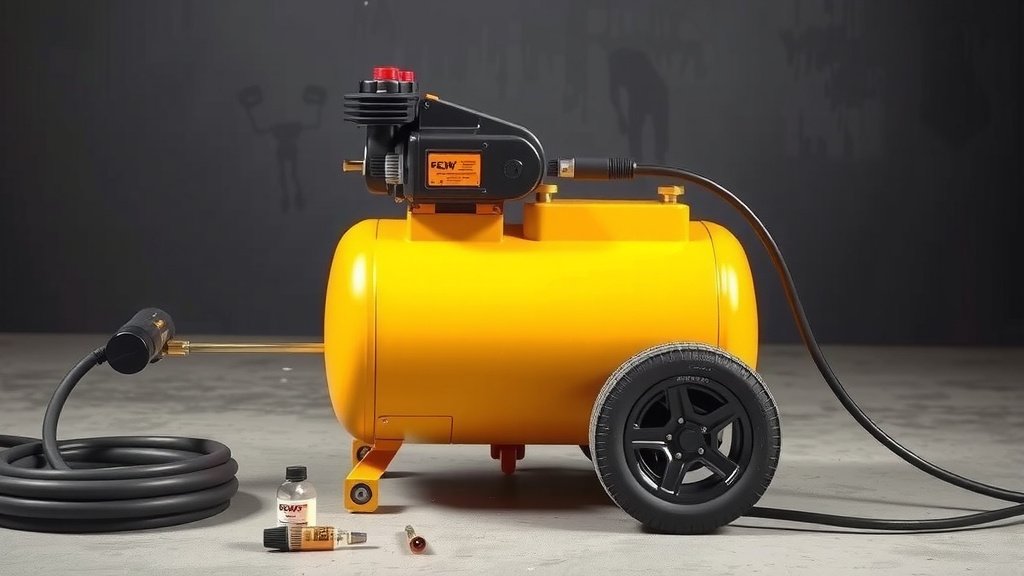
Choosing the Right Air Compressor Size for Car Painting
When painting your car, you need an air compressor that can deliver a consistent flow of air. For most automotive paint jobs, a compressor with at least a 20-30 gallon tank and a flow rate of 5-10 CFM (cubic feet per minute) at 90 PSI is generally recommended. This ensures your paint gun receives enough air to atomize paint properly for a smooth finish without interruptions.
Choosing the right air compressor is key to achieving professional-looking results. Too small a compressor will lead to sputtering paint and uneven coverage. We found that matching the compressor’s capabilities to your paint sprayer’s needs is essential for a successful DIY car paint project and avoiding frustrating rework.
- Tank Size Matters: Aim for 20-30 gallons or more.
- CFM is King: Look for 5-10 CFM at 90 PSI.
- Paint Gun Compatibility: Check your sprayer’s air needs.
- Duty Cycle: Ensure it can run long enough for painting.
Let’s walk through the specifics of air compressor sizes and types to help you pick the perfect one for your automotive painting project.
“`htmlChoosing the Right Air Compressor for Your Car Paint Job
Picking the perfect air compressor for painting your car can feel like a big decision. You want that smooth, professional finish, right? We’ve researched what makes a compressor a good fit for automotive painting. It really comes down to a few key specs that ensure your paint gun gets the air it needs.
Understanding Air Compressor Specifications
Let’s break down the jargon. Air compressors have several ratings, but for car painting, two stand out: tank size and CFM. These tell you how much air the compressor can store and how quickly it can deliver it.
Tank Size: The Air Reservoir
Think of the tank as a holding pen for compressed air. A larger tank means the compressor can run longer before needing to re-pressurize. This prevents those annoying interruptions where your paint gun sputters mid-spray.
For most car painting projects, we found that a 20-30 gallon tank is a solid starting point. If you’re tackling a full vehicle or planning multiple paint sessions, going even larger, like 40-60 gallons, offers extra peace of mind. It’s like having a bigger bucket of water – you don’t have to refill it as often.
CFM: The Horsepower of Airflow
CFM stands for Cubic Feet per Minute. This is the real workhorse specification. It tells you how much air the compressor can deliver at a specific pressure. For painting, the standard pressure to consider is 90 PSI (pounds per square inch).
Many paint guns, especially HVLP (High Volume, Low Pressure) types commonly used for cars, require a certain CFM to operate efficiently. We found that most automotive paint guns need somewhere between 5 to 10 CFM at 90 PSI. If your compressor’s CFM is too low, your paint won’t atomize properly, leading to drips and uneven coverage. It’s like trying to blow up a balloon with a straw – it just doesn’t have enough oomph.
Matching CFM to Your Paint Gun
The absolute best way to ensure you have enough CFM is to check the requirements of your specific paint gun. Manufacturers usually list this information in the product manual or on their website. It’s usually right there in the specs!
For example, a basic touch-up gun might only need 3-4 CFM, while a professional spray gun could demand 10-15 CFM or more. Always aim for a compressor that provides a CFM rating comfortably *above* your paint gun’s minimum requirement. This gives you a buffer and ensures consistent performance.
Horsepower (HP) and Duty Cycle: Other Factors to Consider
While CFM and tank size are primary, horsepower (HP) and duty cycle are also important. HP relates to the motor’s power, generally influencing how quickly the compressor can refill the tank. A higher HP motor usually means faster tank recovery.
The duty cycle tells you how long the compressor motor can run continuously before needing to cool down. A higher duty cycle (e.g., 75% or 100%) is better for longer painting sessions. We found that compressors with a 50% duty cycle can work, but you’ll need to plan for breaks. A compressor rated for 75% or higher means you can paint for longer stretches without interruption.
Types of Air Compressors for Automotive Painting
You’ll mostly encounter two main types of compressors suitable for DIY car painting: pancake and vertical tank styles. Each has its pros and cons.
Pancake Air Compressors
These are typically smaller, portable units with a flat, horizontal tank. They are often less expensive and easy to move around your garage or driveway.
However, pancake compressors usually have smaller tanks and lower CFM outputs. They might be okay for very small touch-ups but can struggle with full car paint jobs. We found they tend to run more frequently to keep up with paint sprayers.
Vertical Tank Air Compressors
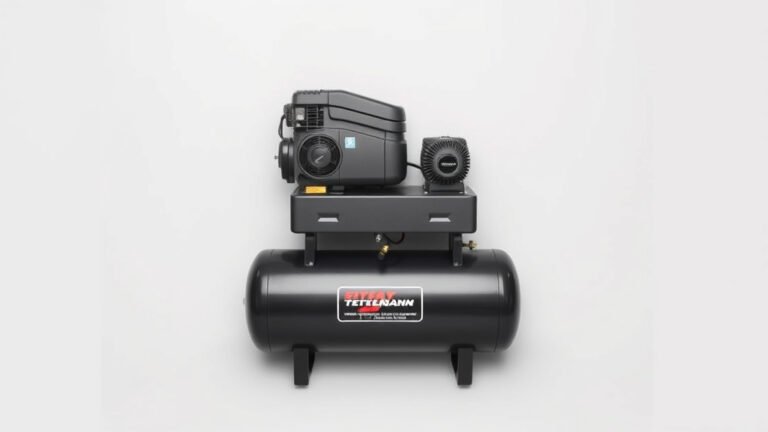
These compressors stand upright, taking up less floor space. They commonly feature larger tanks (20 gallons and up) and higher CFM ratings, making them a better choice for automotive painting. Their larger capacity means less downtime and a more consistent air supply.
Many vertical models are oil-lubricated, which generally leads to a longer lifespan and more durable operation compared to oil-free models. While they might be a bit pricier and less portable, the benefits for painting are usually worth it.
Putting It All Together: A Quick Checklist
To make sure you’re on the right track, here’s a quick rundown of what to look for:
- Check Your Paint Gun’s CFM Needs: This is your starting point.
- Aim for 5-10 CFM at 90 PSI: This is a common sweet spot.
- Get a 20-30 Gallon Tank (or larger): For uninterrupted spraying.
- Consider a 75% Duty Cycle or Higher: For longer painting sessions.
- Vertical Tank Design: Often offers better performance for painting.
- Oil-Lubricated Pump: For enhanced durability and longevity.
Oil-Free vs. Oil-Lubricated Compressors
You’ll see both oil-free and oil-lubricated compressors. Oil-free compressors are lighter, require less maintenance, and are generally cheaper. However, they tend to be louder and may not last as long under heavy use.
Oil-lubricated compressors run quieter and are built for more demanding tasks. They require regular oil checks and changes, but many experts say they offer superior longevity and performance for applications like painting. We found that for a big project like painting your car, the durability of an oil-lubricated model is often preferred.
Common Mistakes to Avoid
One common pitfall is choosing a compressor that’s too small. You’ll end up frustrated with inconsistent air pressure and a poor finish. Another mistake is not checking the CFM rating. It’s easy to get caught up in tank size and forget the actual airflow needed.
Always remember that your paint gun is the final point of use. Its air requirements should drive your compressor choice. Don’t guess – read the specs! It’s better to have a little more power than you need than not enough.
| Specification | Ideal Range for Most Cars | Notes |
|---|---|---|
| Tank Size | 20-30 Gallons+ | Larger tanks mean less frequent cycling. |
| CFM at 90 PSI | 5-10 CFM (or more) | Must meet or exceed your paint gun’s requirements. |
| Duty Cycle | 75% or Higher | Allows for longer, continuous operation. |
| Pump Type | Oil-Lubricated Recommended | Generally more durable for demanding tasks. |
Conclusion
Choosing the right air compressor for your car painting project doesn’t have to be overwhelming. Remember to focus on the CFM rating at 90 PSI and the tank size, as these are the most critical factors for smooth, uninterrupted spraying. Always check your paint gun’s specific needs first, and aim for a compressor that comfortably exceeds them.
With a bit of research into these key specs, you can confidently select a compressor that will help you achieve a professional finish. Your next step is to browse compressors that meet these requirements and compare models to find the best fit for your budget and workspace. Happy painting!
Frequently Asked Questions
What’s the absolute minimum CFM I should look for when painting a car?
For most automotive painting tasks, we recommend a minimum of 5 CFM at 90 PSI. If your paint gun’s specifications are lower, you might get away with slightly less, but it’s wise to have some buffer for consistent performance.
Can I use a small pancake compressor for touch-up work on my car?
A small pancake compressor might work for very minor touch-ups or small projects. However, for anything larger, its limited tank size and lower CFM will likely lead to sputtering and inconsistent results, so we advise against it for full paint jobs.
How important is the duty cycle of an air compressor for painting?
The duty cycle is quite important, especially for longer painting sessions. A higher duty cycle (75% or more) means the compressor motor can run for longer periods without overheating, preventing frustrating pauses in your work.
Will an oil-free compressor work for painting my car?
While oil-free compressors are lighter and require less maintenance, they tend to be louder and may not be as durable under the consistent demand of painting. For automotive painting, an oil-lubricated compressor is generally preferred for its longevity and quieter operation.
How do I find out what CFM my specific paint gun needs?
You can find your paint gun’s CFM requirements by checking its user manual or the manufacturer’s website. This information is usually listed in the product specifications and is essential for matching it with the right compressor.