Purify Your Home Air: Top Tips & Tricks
You can absolutely purify the air in your home using a combination of strategies. The best approach involves identifying and reducing pollution sources, improving ventilation, and using air-purifying plants or devices. Good indoor air quality makes a big difference to your health and comfort, so let’s get started on making your home’s air fresher.
Indoor air can often be more polluted than outdoor air. This is due to things like cleaning products, furniture off-gassing, and even cooking fumes. Taking steps to clean your air can help reduce allergens and common pollutants, creating a healthier living environment. Many experts agree that focusing on ventilation and reducing indoor sources is key.
- Reduce sources of pollution.
- Increase fresh air circulation.
- Use houseplants or air purifiers.
- Maintain your HVAC system regularly.
Ready to breathe easier? We’ll walk you through the most effective ways to purify the air in your home, step by step.
Breathing Easier: Your Guide to Fresher Home Air
Taking steps to purify the air in your home is a smart move for your well-being. Cleaner air can mean fewer allergy symptoms and a more comfortable living space. Let’s explore practical ways you can make a difference.
Understanding Indoor Air Pollutants
Before we tackle purification, it’s helpful to know what we’re up against. Indoor air can accumulate various particles and gases. These can come from everyday activities and even the materials in your home.
Common Sources of Indoor Air Pollution
Think about what happens in your home daily. Cooking, cleaning, and even just living create airborne particles. Many items we use can also release chemicals into the air.
- Volatile Organic Compounds (VOCs): These can come from paints, cleaning supplies, air fresheners, and new furniture. They can off-gas over time.
- Particulate Matter: Dust, pet dander, pollen, and smoke are common culprits. They can irritate your lungs and airways.
- Mold and Mildew: Damp areas in your home can be breeding grounds for mold. Its spores can become airborne.
- Carbon Monoxide: This is a colorless, odorless gas produced by burning fuels. Faulty furnaces or stoves are common sources.
- Radon: This is a naturally occurring radioactive gas that can seep into homes from the ground. It’s a leading cause of lung cancer in non-smokers (EPA).
Reducing Pollution at the Source
The most effective way to have cleaner air is to stop pollutants from entering your home in the first place. It’s like turning off a leaky faucet instead of just mopping the floor.
Smart Cleaning Habits
Your cleaning routine can impact air quality. Many conventional cleaners contain harsh chemicals that can become airborne. You can make simple swaps to help.
- Choose cleaning products labeled as “low-VOC” or “fragrance-free.”
- Consider using natural alternatives like vinegar and baking soda for some tasks.
- Always use cleaning products in a well-ventilated area.
- Store cleaning supplies in a sealed cabinet.
Managing Moisture and Preventing Mold
Mold thrives in damp environments. Controlling humidity is key to preventing its growth. This is especially important in bathrooms, kitchens, and basements.
- Use exhaust fans in bathrooms during and after showers.
- Vent clothes dryers to the outdoors.
- Fix any leaky pipes or roofs promptly.
- Consider using a dehumidifier in humid areas. Many experts recommend keeping indoor humidity between 30-50% (CDC).
Controlling Pet Dander and Allergens
If you have pets, dander is a common airborne allergen. Regular cleaning can significantly reduce its presence.
- Groom your pets regularly, preferably outdoors.
- Vacuum carpets and upholstery frequently. Consider a vacuum with a HEPA filter.
- Wash pet bedding often.
- Keep pets out of bedrooms if allergies are a concern.
Boosting Ventilation and Air Circulation
Fresh air is your home’s best friend when it comes to diluting indoor pollutants. Opening windows and doors is the simplest form of ventilation.
The Power of Open Windows
Even a few minutes of opening windows can make a difference. This allows stale indoor air to escape and fresh outdoor air to enter.
- Try to open windows on opposite sides of your home to create a cross-breeze.
- Do this daily, even for a short period.
- Be mindful of outdoor air quality. On days with high pollution or pollen counts, it might be better to keep windows closed (NIH).
Using Fans Effectively
Fans help move air around your home. They can assist in circulating fresh air or exhausting stale air.
- Window fans can be set to draw in fresh air or push out stale air.
- Ceiling fans help circulate air within a room.
- Ensure fans are clean so they don’t just blow dust around.
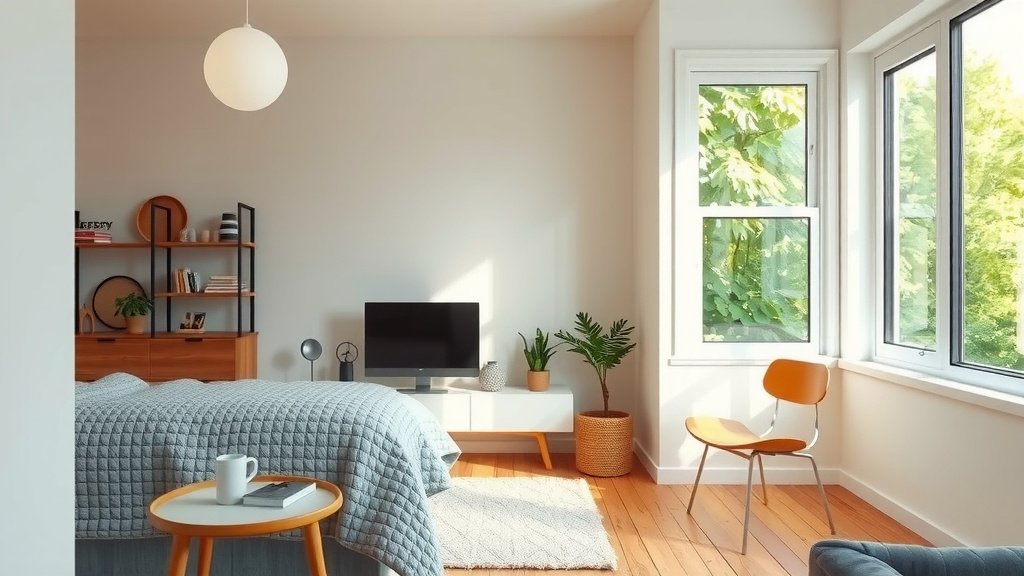
Air-Purifying Plants and Devices
While they aren’t a replacement for ventilation or source control, certain plants and devices can contribute to cleaner air.
Houseplants That Help Clean the Air
Certain houseplants have been studied for their ability to filter indoor air pollutants. While the effect in a typical home might be small, they add beauty and can boost your mood!
Some plants commonly cited for air-purifying qualities include:
- Spider Plant
- Snake Plant
- Peace Lily
- Areca Palm
- Boston Fern
Remember to care for them properly, as overwatering can lead to mold growth.
The Role of Air Purifiers
Electronic air purifiers can be very effective at removing airborne particles like dust, pollen, and pet dander. Many use HEPA filters, which are designed to capture very small particles.
| Type | What it Does | Best For |
|---|---|---|
| HEPA Filter Purifiers | Physically trap particles (dust, pollen, dander). | Allergies, asthma, general particle removal. |
| Activated Carbon Filters | Absorb odors and gases (VOCs, smoke). | Pet odors, cooking smells, chemical fumes. |
| UV-C Light Purifiers | Kill airborne germs and mold spores. | Reducing microbial contamination. |
When selecting an air purifier, look for the Clean Air Delivery Rate (CADR) to ensure it’s sized correctly for your room. Many guidelines suggest placing them in bedrooms or main living areas (EPA).
Maintaining Your HVAC System
Your heating, ventilation, and air conditioning (HVAC) system plays a big role in your home’s air quality. Regular maintenance ensures it’s working efficiently and not contributing to problems.
Changing Air Filters Regularly
Your HVAC system has filters that trap dust and debris. A clogged filter can’t do its job and can even strain your system.
- Check your air filter monthly.
- Replace it as needed, typically every 1-3 months depending on the type and your home environment.
- Consider using filters with a higher MERV rating for better particle capture, but ensure your system can handle the increased airflow resistance.
Professional HVAC Servicing
Having your HVAC system inspected and cleaned by a professional annually can catch potential issues. This includes checking for leaks, cleaning ducts, and ensuring proper operation. This helps prevent the system from circulating dust or mold.
Quick Air Quality Checklist:
- Open windows daily for fresh air.
- Use exhaust fans in bathrooms and kitchens.
- Choose low-VOC cleaning products.
- Change your HVAC air filter regularly.
- Consider an air purifier for specific concerns.
- Address any signs of mold or excess moisture immediately.
Conclusion
You’ve learned that purifying your home’s air is totally achievable. By focusing on reducing pollution sources, improving ventilation, and using helpful plants or devices, you can create a healthier living space. Remember, consistent small actions make a big difference over time. Start today by incorporating one or two new habits into your routine, like opening your windows daily or choosing greener cleaning products. Your lungs will thank you for breathing cleaner air.
Frequently Asked Questions
How often should I open my windows for fresh air?
Aim to open your windows daily, even for just a few minutes. This simple act helps to exchange stale indoor air for fresh outdoor air, diluting pollutants. Cross-ventilation, by opening windows on opposite sides of your home, is especially effective.
Are houseplants really effective at purifying air?
While houseplants like Snake Plants and Spider Plants can contribute to air purification, their effect in a typical home environment might be minor. They can help filter out some common VOCs and add a pleasant aesthetic. Don’t rely on them as your sole air purification method, though.
What’s the best type of air purifier for allergies?
For allergies, HEPA filter air purifiers are generally the most effective. These filters are designed to capture a very high percentage of airborne particles like dust, pollen, and pet dander. Look for a purifier with a high Clean Air Delivery Rate (CADR) suitable for your room size.
How can I reduce VOCs from new furniture?
New furniture can off-gas VOCs. To minimize this, try to ventilate the room well when the furniture is first brought in, even if it means opening windows for extended periods. You can also use air purifiers with activated carbon filters, which help absorb gases and odors.
Is it safe to use air fresheners if I’m worried about air quality?
Many air fresheners release VOCs and other chemicals into the air. If you’re concerned about air quality, it’s best to avoid or minimize their use. Consider natural alternatives like opening windows or using essential oil diffusers sparingly, and always ensure good ventilation.