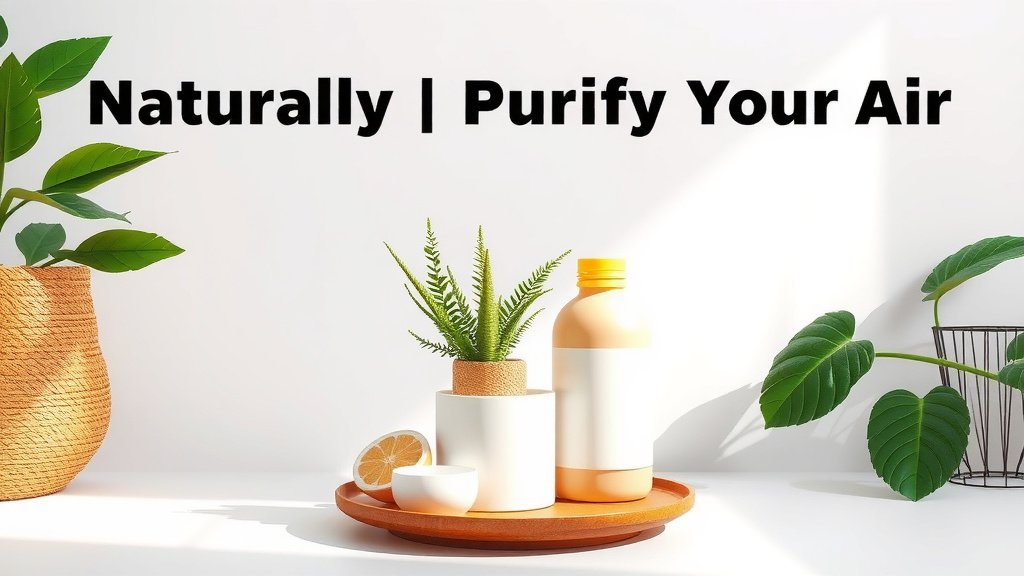
Naturally Purify Your Air: Simple & Effective Methods
Yes, you can purify your air naturally by using several simple yet effective methods right in your home. Introducing live plants known for their air-purifying qualities and ensuring good ventilation are some of the easiest ways to start. You can also significantly improve your indoor air quality by reducing the sources of pollutants.
When we talk about natural air purification, we’re often looking for ways to reduce toxins without relying solely on electronic devices. This means being mindful of the products you bring into your home and the general upkeep of your living space. Many common household items and activities can contribute to poor indoor air quality, making natural solutions increasingly important for your health and well-being.
- Bring in air-purifying houseplants like snake plants or spider plants.
- Open windows regularly to allow fresh air circulation.
- Use natural cleaning products instead of chemical ones.
- Control humidity levels to prevent mold growth.
- Consider using activated charcoal filters for common areas.
Below, we’ll walk you through practical, natural ways you can make your home’s air cleaner and healthier, starting today.
You’re looking for ways to breathe easier at home, and that’s a fantastic goal! Many people are turning to natural methods to improve their indoor air quality. It makes sense, right? We spend so much time inside, and we want that space to be as healthy as possible. Thankfully, you don’t need fancy gadgets to make a big difference. Let’s dive into some practical, easy-to-implement strategies to naturally purify the air you breathe every day.
Simple Steps to Cleaner Indoor Air
Creating a healthier indoor environment doesn’t have to be complicated. It often involves making small, conscious changes around your home. Think of it like a gentle cleanse for your living space. We can start by looking at the air that comes in and out, what’s happening inside your home, and what you’re bringing in.
Let the Fresh Air In: Ventilation is Key
This is perhaps the most straightforward and effective natural air purification technique. Simply opening your windows allows stale indoor air to escape and fresh outdoor air to circulate. Even opening them for just 5 to 10 minutes a few times a day can make a notable difference.
When to ventilate: It’s especially beneficial after cooking, cleaning, or when you notice a stuffy feeling. You want to avoid letting pollutants build up inside your home.
Consider the outdoors: Of course, be mindful of outdoor air quality. If your local air quality index is high due to pollution or pollen, it might be better to rely on other methods during those times. You can usually check this online easily.
Houseplants: Your Green Air Filters
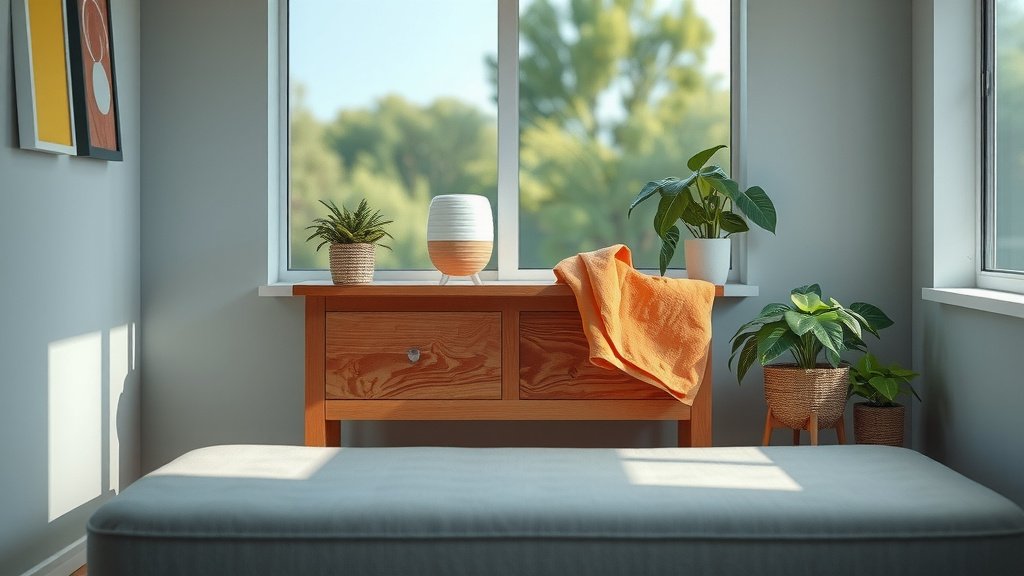
Did you know that many common houseplants can help filter certain toxins from the air? Research has shown that plants can remove compounds like formaldehyde and benzene, which are often found in household products. It’s like having tiny, living air purifiers working for you!
Top Air-Purifying Plants to Consider
- Snake Plant (Sansevieria): Known for its ability to convert carbon dioxide into oxygen at night. It’s also very low-maintenance.
- Spider Plant (Chlorophytum comosum): These are incredibly easy to care for and are excellent at removing formaldehyde and xylene.
- Peace Lily (Spathiphyllum): Not only beautiful, but they also help filter out ammonia, formaldehyde, and benzene.
- Boston Fern (Nephrolepis exaltata): These love humidity and are great at removing formaldehyde. They add a lovely lushness to any room.
Adding a few of these to your home can boost your air quality while also adding a touch of natural beauty. Just remember to give them the right care so they can thrive!
Tackling Pollutant Sources: Prevention is Better Than Cure
A huge part of purifying your air naturally is reducing the things that make it dirty in the first place. This involves being mindful of the products you use and the activities you do in your home.
Natural Cleaning Solutions
Many conventional cleaning products contain harsh chemicals that can release volatile organic compounds (VOCs) into the air. These VOCs contribute to poor indoor air quality. Making your own cleaners or opting for plant-based, eco-friendly options can significantly reduce these emissions.
Simple DIY Cleaners:
- All-Purpose Cleaner: Mix equal parts white vinegar and water in a spray bottle. You can add a few drops of essential oil (like lemon or lavender) for scent, but be aware that some oils can still be irritants for sensitive individuals.
- Glass Cleaner: Use a simple solution of water and a splash of vinegar.
- Scrubbing Paste: Baking soda mixed with a little water makes a great gentle abrasive for sinks and tubs.
We found that making these small switches can really make a difference in the air you breathe daily (Environmental Protection Agency).
Reducing VOCs from Products
Be aware of VOCs found in paints, varnishes, air fresheners, and even new furniture. Whenever possible, choose low-VOC or zero-VOC products. When bringing new items into your home, especially those with a strong smell, ensure good ventilation until the odor dissipates.
Controlling Humidity for a Healthier Home
Maintaining the right humidity level is crucial for preventing the growth of mold and mildew, which are common indoor air pollutants. High humidity also creates a breeding ground for dust mites.
Ideal Humidity Levels: Many experts recommend keeping indoor humidity between 30% and 50% (Centers for Disease Control and Prevention). You can easily monitor this with an inexpensive hygrometer.
Tips for Managing Humidity:
- Use exhaust fans in bathrooms and kitchens to vent moisture outside.
- Fix any leaks promptly, especially around pipes, roofs, and windows.
- Avoid drying clothes indoors if possible, or ensure the area is very well-ventilated.
- Consider a dehumidifier for damp areas like basements, or a humidifier if your air is too dry, particularly in winter.
The Power of Activated Charcoal
Activated charcoal, also known as activated carbon, is a highly porous material that can adsorb (bind to its surface) various pollutants from the air. It’s often used in air filters because of its effectiveness.
How to Use It Naturally: You can purchase activated charcoal filters for vents or place bags of activated charcoal in areas where air tends to get stagnant, like closets or small rooms. These are a great non-electronic way to help capture odors and certain airborne toxins.
Maintenance: These charcoal filters or bags typically need to be replaced or recharged (often by placing them in sunlight) periodically to maintain their effectiveness. Always follow the manufacturer’s instructions.
Natural Odor Absorbers
Beyond activated charcoal, other natural items can help absorb unpleasant odors, making your home smell fresher without relying on artificial air fresheners.
- Baking Soda: Open boxes or bowls of baking soda are classic odor absorbers. Place them in refrigerators, closets, or near trash cans.
- White Vinegar: While its own smell can be strong temporarily, a small bowl of vinegar left out can help neutralize odors. The vinegar smell dissipates quickly.
- Coffee Grounds: Dried, used coffee grounds can absorb strong smells. Place them in a shallow dish in areas prone to odors.
These simple items can make a surprising difference in keeping your home smelling clean and fresh naturally.
Your Natural Air Purification Checklist
Ready to get started? Here’s a quick checklist to help you implement these natural air purification strategies:
- Ventilate Daily: Open windows for at least 5-10 minutes each day.
- Add Greenery: Introduce a few air-purifying houseplants.
- Go Natural with Cleaning: Switch to DIY or eco-friendly cleaning products.
- Monitor Humidity: Aim for 30-50% humidity and address any issues.
- Use Odor Absorbers: Place baking soda or charcoal bags in key areas.
- Be Mindful of Products: Choose low-VOC items whenever possible.
By incorporating these habits, you’re taking active steps toward a healthier, fresher living space. You’ve got this!
Conclusion
You’ve learned that creating cleaner indoor air naturally is completely achievable. By focusing on simple, consistent actions, you can significantly improve your home’s environment. Remember to prioritize regular ventilation, incorporate air-purifying plants, and choose natural cleaning methods. Reducing your exposure to pollutants by being mindful of household products is also key.
Start today by implementing just one or two of these strategies. You’ll be on your way to breathing fresher, healthier air in your own home. Your well-being is worth these easy, natural steps!
Frequently Asked Questions
How often should I open my windows for ventilation?
Aim to open your windows for at least 5 to 10 minutes a few times each day. This helps to clear out stale air and bring in fresh oxygen. It’s especially helpful after cooking or cleaning.
What are the easiest air-purifying plants for beginners?
Snake plants and spider plants are excellent choices for beginners. They are very forgiving and don’t require much special care. Both are known for their ability to filter common indoor air toxins.
Can natural cleaning products really make a difference?
Yes, they can make a big difference! Many standard cleaners release chemicals into your air. Switching to simple options like vinegar and water reduces these harmful VOCs, leading to cleaner air.
How do I know if my home’s humidity level is too high?
You can use an inexpensive hygrometer to measure humidity. If it’s consistently above 50%, you likely have high humidity. Signs include condensation on windows or a musty smell.
Are activated charcoal bags effective for small spaces?
Activated charcoal bags are great for smaller areas like closets or bathrooms. They work by adsorbing odors and certain airborne impurities. They provide a non-electronic way to help keep air fresh.
![5 Best Essential Oils for Purifying the Air [In 2026]](https://homeunderstandable.com/wp-content/uploads/2025/05/best-essential-oils-for-purifying-the-air-transform-your-space-naturally-768x432.jpg)
![5 Best Air Purifier for Flatulence [In 2026]](https://homeunderstandable.com/wp-content/uploads/2025/05/best-air-purifier-for-flatulence-top-picks-for-odor-free-homes-768x432.jpg)