How Air Purifiers Help Relieve Allergy Symptoms
Yes, air purifiers can significantly help with allergies by filtering out common airborne allergens like pollen, dust mites, pet dander, and mold spores. They work by drawing in air, trapping these microscopic irritants in a filter, and releasing cleaner air back into your home. This process can lead to fewer allergy symptoms and a more comfortable living space.
When allergens are constantly circulating in your home, your immune system reacts, causing those pesky allergy flare-ups. Air purifiers act as a shield against these triggers, especially in rooms where you spend the most time, like your bedroom. Many studies have found that using them can reduce symptoms like sneezing, itchy eyes, and nasal congestion.
- Air purifiers trap allergens like pollen, dust, dander, and mold.
- They help reduce common allergy symptoms.
- Cleaner air means fewer triggers for your immune system.
- They are especially helpful in bedrooms.
- Many find relief with consistent use.
Let’s walk through exactly how these machines can become your new best friend in the fight against sniffles and sneezes.
How Air Purifiers Tackle Your Allergy Triggers
So, you’re dealing with allergies and wondering if an air purifier is truly worth it. The short answer? Yes, they can be a fantastic ally in making your home a sneeze-free sanctuary. They work by physically removing the tiny particles floating in your air that set off your immune system. Think of them as a high-tech vacuum for the air you breathe, catching allergens before they can cause trouble.
The Science Behind Cleaner Air
Air purifiers use a filtering system to clean your indoor air. Most models have a fan that pulls air into the unit. Then, this air passes through one or more filters. These filters are designed to trap various airborne particles. Finally, the fan pushes the cleaned air back into your room. This continuous cycle helps reduce the concentration of allergens in your living space.
Understanding HEPA Filters
When looking at air purifiers, you’ll often see “HEPA” mentioned. HEPA stands for High-Efficiency Particulate Air. A true HEPA filter is a medical-grade standard. It must trap at least 99.97% of airborne particles that are 0.3 microns in size. This is incredibly tiny!
Why does this matter for allergies? Because many common allergens are around this size or even smaller. This includes things like:
- Pollen grains
- Dust mite droppings
- Pet dander
- Mold spores
A HEPA filter acts like a super-fine net, catching these microscopic irritants. Research has shown that using HEPA air purifiers can significantly reduce the amount of these allergens in your home environment (NIH).
Beyond HEPA: Other Filtration Technologies
While HEPA filters are the gold standard for particulate removal, some air purifiers also use other technologies. Activated carbon filters, for example, are great for absorbing odors and gases. If pet smells or cooking odors bother you, or if you’re sensitive to VOCs (volatile organic compounds), a carbon filter can be a great addition. Some units combine HEPA and carbon filters for a more comprehensive cleaning solution. Be cautious of technologies that produce ozone, as ozone can be an irritant for many people with allergies (CDC).
How Different Allergens Are Trapped
Let’s break down how these purifiers specifically target the usual suspects that cause your allergy misery.
Pollen: Battling Seasonal Invaders
Spring, summer, and fall can bring pollen into your home, even if your windows are closed. Pollen is a fine powder released by plants. It easily drifts through the air. When it enters your home, it can settle on surfaces or remain airborne. An air purifier with a HEPA filter can capture these tiny pollen grains before they land on your furniture or in your nasal passages. This is especially helpful if you live in an area with high pollen counts.
Dust Mites: The Unseen Culprits
Dust mites are microscopic creatures that live in your home. They thrive in warm, humid environments, like bedding, carpets, and upholstery. While the mites themselves aren’t the direct allergen, their waste products are. These microscopic droppings are a major trigger for many allergy sufferers. Air purifiers help by trapping these droppings from the air, reducing your exposure.
Pet Dander: Furry Friend’s Tiny Flakes
If you have a cat or dog, you likely have pet dander. Dander consists of tiny flakes of skin shed by animals. It’s often accompanied by saliva and urine proteins, which are the real allergens. Dander is incredibly small and lightweight, so it stays airborne for a long time. An air purifier can effectively capture these dander particles, offering relief to pet owners who suffer from allergies.
Mold Spores: Tackling Dampness’s Fallout
Mold loves damp, dark places. It releases spores into the air to reproduce. These spores can cause allergic reactions, respiratory problems, and even asthma attacks. Mold spores can travel through your ventilation system or be tracked in from outside. Air purifiers with HEPA filters can trap airborne mold spores, helping to keep your indoor air cleaner and safer.
Where to Use Your Air Purifier for Maximum Allergy Relief
The effectiveness of an air purifier isn’t just about the machine itself; it’s also about where you place it. Think strategically!
The Bedroom: Your Sleep Sanctuary
You spend a third of your life in your bedroom. This makes it a prime location for allergens to accumulate. Dust mites love bedding, and pet dander can easily find its way onto carpets and furniture. Running an air purifier in your bedroom overnight can significantly reduce your exposure to these allergens while you sleep. This often leads to more restful sleep and fewer morning allergy symptoms.
Living Areas: Common Gathering Spots
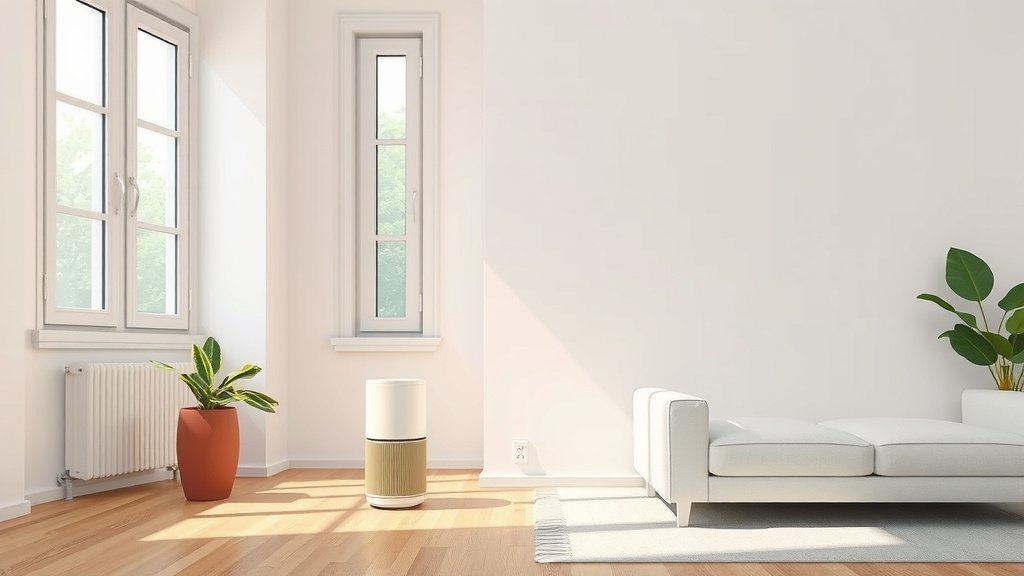
Your living room or family room is where you and your family spend a lot of time. Allergens like pollen (tracked in from outside), pet dander, and dust can easily circulate here. Placing an air purifier in your main living space helps clean the air in a high-traffic area, benefiting everyone.
Consider Multiple Units for Whole-Home Protection
If your budget allows, using multiple air purifiers in key areas of your home can provide the best overall protection. One for the bedroom, one for the living room, and perhaps one for a home office can create a cleaner air environment throughout your house. This approach is often recommended for individuals with severe allergies.
Room Size Matters: Choosing the Right Fit
Air purifiers are rated for specific room sizes. It’s important to choose a unit that’s appropriate for the square footage of the room you intend to use it in. A unit that’s too small won’t be effective, while an oversized one might be overkill. Check the CADR (Clean Air Delivery Rate) ratings, which indicate how quickly a purifier can clean a room of specific pollutants.
Tips for Maximizing Your Air Purifier’s Allergy-Fighting Power
To get the most out of your air purifier, a few simple habits can make a big difference.
- Keep it running: For continuous relief, let your air purifier run 24/7, especially during peak allergy seasons.
- Regular filter changes: Follow the manufacturer’s instructions for replacing filters. Clogged filters can’t clean the air effectively.
- Consistent placement: Keep the unit in the same room for consistent air cleaning.
- Clean your home too: Air purifiers work best alongside regular cleaning like dusting and vacuuming.
By incorporating these simple steps, you’ll ensure your air purifier is working at its best to create a healthier, more comfortable living space for you and your family.
Conclusion
You’ve learned how air purifiers can be a powerful ally against your allergies. By trapping common irritants like pollen, dust mites, pet dander, and mold spores, they actively clean the air you breathe. This means fewer triggers for your immune system and a more comfortable home environment, especially in your bedroom.
Remember to choose the right purifier for your room size and change the filters regularly. Ready to breathe easier? Consider investing in an air purifier to create your personal sneeze-free sanctuary.
Frequently Asked Questions
Do air purifiers actually work for allergies?
Yes, research and user experiences show that air purifiers can significantly reduce allergy symptoms. They work by filtering out airborne allergens that trigger your immune response.
What kind of air purifier is best for allergies?
For allergies, look for purifiers with a True HEPA filter. This type of filter captures at least 99.97% of airborne particles as small as 0.3 microns, which includes most common allergens.
How quickly can I expect allergy relief from an air purifier?
You may notice a difference in air quality within a few hours of running the purifier. However, for substantial allergy symptom relief, consistent use over several days or weeks is typically needed.
Can an air purifier help with pet allergies even if I have pets?
Absolutely. Air purifiers are very effective at capturing pet dander, which is a major allergen for many people. Consistent use can greatly reduce airborne dander in your home.
Should I leave my air purifier on all the time?
Yes, for maximum allergy relief, it’s best to run your air purifier 24/7. Continuous filtration helps maintain cleaner air and prevents allergens from accumulating.