Air Purifier Ozone Production Levels Revealed
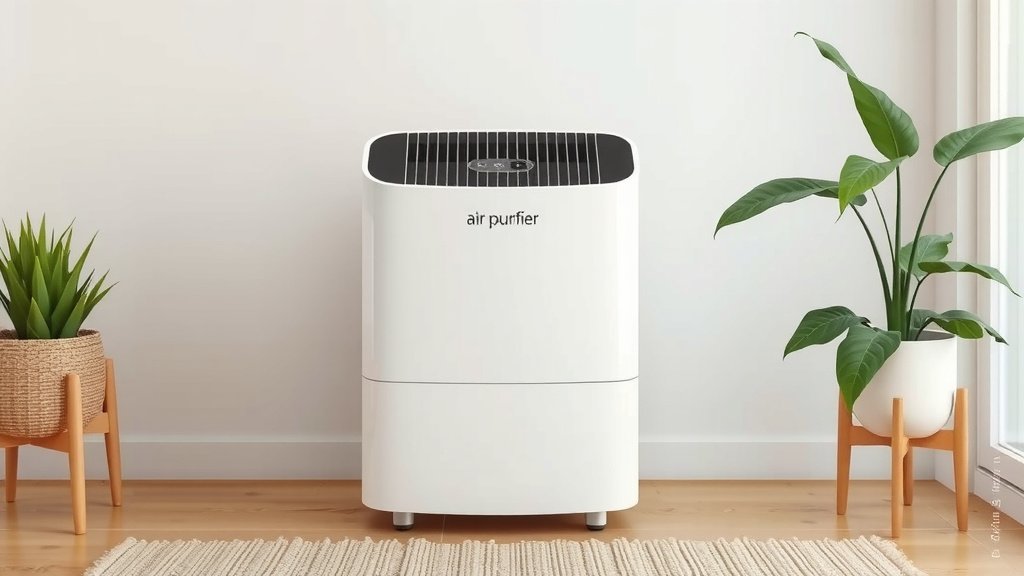
Most air purifiers sold today produce very little ozone, often well below the safety limits recommended by health organizations. This is because many models have moved away from ozone-generating technologies like ionizers or have implemented safeguards to keep ozone levels extremely low, making them generally safe for home use when operated as directed. You might wonder if your purifier is secretly making your air quality worse, but thankfully, the answer is usually no.
Research and testing by consumer groups and government agencies have found that while some older or specific types of air purifiers can produce higher ozone levels, the majority of modern units are designed with your health in mind. It’s important to understand that ozone is a lung irritant, so even low levels are something to be aware of, especially if you have respiratory sensitivities. We’ve found that understanding the type of technology used in your air purifier is key to knowing its potential ozone output.
- Most modern air purifiers produce minimal ozone.
- Some older or specific models might produce more.
- Ozone can irritate the lungs, even at low levels.
- Technology type is a major factor in ozone production.
- Look for certifications like CARB compliance.
Let’s break down what that means for you and how to ensure your air purifier is doing its job effectively without adding unnecessary ozone to your air.
Understanding Ozone Production in Air Purifiers
You might be wondering just how much ozone your air purifier actually releases. It’s a fair question, especially since ozone, even in small amounts, can be a lung irritant. Many modern air purifiers are designed to produce virtually no ozone, keeping your indoor air cleaner without adding a new problem. We’ve found that understanding the technology behind your air purifier is the best way to know its ozone output.
The good news is that most units available today are far better than older models. Regulatory bodies and consumer watchdogs have put pressure on manufacturers to reduce ozone emissions. This means the air purifier you buy now is likely designed with your health and safety as a top priority.
Air Purifier Technologies and Their Ozone Output
The type of technology an air purifier uses is the biggest factor in its ozone production. Some technologies are known for being ozone-free, while others can produce ozone if not designed carefully.
HEPA Filters: The Ozone-Free Champion
High-efficiency particulate air (HEPA) filters are the gold standard for capturing physical particles like dust, pollen, and pet dander. The great thing about HEPA filters is that they work physically. They act like a very fine sieve, trapping particles as air passes through them. This process does not produce any ozone. So, if your air purifier relies solely on a HEPA filter and an activated carbon filter for odor removal, you can rest easy about ozone.
Activated Carbon Filters: Odor and Gas Fighters
Activated carbon filters are excellent at absorbing gases, odors, and volatile organic compounds (VOCs). They work like a sponge, but on a molecular level. The porous structure of activated carbon traps these unwanted airborne chemicals. Like HEPA filters, activated carbon filters are a passive technology. They do not generate ozone as part of their function. Many air purifiers use a combination of HEPA and activated carbon filters for comprehensive air cleaning.
Ionizers: Where Ozone Concerns Arise
Ionizers work by releasing negative ions into the air. These ions attach themselves to airborne particles, giving them a negative charge. This causes the particles to clump together and fall out of the air or stick to surfaces. While effective, some ionizers can produce ozone as a byproduct of this electrical process. It’s similar to how a copier or a laser printer can emit small amounts of ozone. Older or poorly designed ionizers might release ozone levels that could be concerning.
Many manufacturers have addressed this by creating ionizers that produce very low levels of ozone. Some units even have an option to turn the ionizer feature off completely. If your air purifier has an ionizer, it’s wise to check its specifications and look for certifications related to ozone emissions.
Ozone Generators: Built to Produce Ozone
It’s important to distinguish between a standard air purifier and an ozone generator. Ozone generators are specifically designed to produce high concentrations of ozone. They are often used for shock treatments in unoccupied spaces to eliminate strong odors or mold. These are not recommended for continuous use in occupied homes. The levels of ozone they produce are far above what is considered safe for breathing. Always ensure your air purifier is not marketed as an “ozone generator” if you intend to use it while people or pets are present.
UV-C Light: A Different Kind of Air Treatment
Ultraviolet germicidal irradiation (UV-C) lamps are sometimes included in air purifiers. Their purpose is to kill bacteria, viruses, and mold spores. UV-C light itself doesn’t produce ozone. However, when UV-C light interacts with certain materials or impurities in the air, it can sometimes generate small amounts of ozone. Modern UV-C systems in air purifiers are generally designed to minimize any ozone byproduct. The UV-C lamp is usually enclosed, further reducing potential exposure.
Safety Standards and Certifications You Should Know
Because ozone can be a concern, various organizations and regulatory bodies have established safety limits. Understanding these can help you choose a safer air purifier.
California Air Resources Board (CARB)
California has some of the strictest air quality regulations in the United States. The California Air Resources Board (CARB) has set limits for ozone emissions from air cleaning devices. Air purifiers sold in California must meet these standards. This means they must emit very low levels of ozone, typically below 0.05 parts per billion (ppb). Many manufacturers will advertise if their product is CARB-certified. This is a strong indicator that the unit is safe regarding ozone production.
What Are “Safe” Ozone Levels?
Health organizations like the Environmental Protection Agency (EPA) and the World Health Organization (WHO) have guidelines for ozone exposure. The EPA suggests that indoor ozone levels should ideally be kept below 0.05 parts per million (ppm). However, air purifiers typically produce ozone in parts per billion (ppb), which is much lower. For reference, 1 ppm equals 1000 ppb. So, even though these numbers might sound small, they are important for respiratory health.
Many consumer reports and testing agencies have found that most modern air purifiers fall well within these safety guidelines. They often measure ozone output in the single-digit ppb range or even lower. This is a level considered generally safe for continuous use in a home environment.
How to Ensure Your Air Purifier Isn’t Producing Too Much Ozone
Choosing the right air purifier and using it correctly can ensure you’re breathing cleaner air. Here are a few practical steps you can take.
Check Product Specifications Carefully
Before you buy, always read the product specifications. Look for information about the technologies used and any ozone emission ratings. If a manufacturer doesn’t provide this information, it might be a red flag. You can also search for independent reviews or testing results for specific models.
Prioritize CARB-Certified Units
As mentioned, CARB certification is a great indicator. If you see that a purifier is “CARB-certified,” you can be much more confident about its low ozone output. This certification process is rigorous and ensures devices meet strict safety standards.
Opt for HEPA and Activated Carbon Filters
Air purifiers that primarily use HEPA and activated carbon filters are generally your safest bet for avoiding ozone. These technologies focus on physical particle capture and gas absorption, respectively. They are effective and don’t create ozone as a byproduct.
Use Ionizer Features Wisely (If Applicable)
If your purifier has an ionizer, consider if you really need to use that feature. If you’re concerned about ozone, try running the purifier with the ionizer turned off. Many users find they still get excellent air purification from the HEPA and carbon filters alone. If ozone is a significant concern for you or someone in your household has respiratory issues, it might be best to choose a purifier without an ionizer or one that allows you to disable it.
Look for Energy Star Certification
While not directly related to ozone, Energy Star certified air purifiers are often designed with efficiency and safety in mind. Manufacturers seeking this certification tend to be more attentive to overall product design, which can include minimizing harmful byproducts like ozone.
Consider a Smart Air Quality Monitor
For the ultimate peace of mind, you could consider a separate indoor air quality monitor. These devices can measure ozone levels (among other pollutants) in your home. This allows you to see real-time readings and confirm that your air purifier is not negatively impacting your air quality. It’s like having a personal air quality detective!
By being an informed consumer and following these tips, you can ensure your air purifier is truly making your home’s air healthier and cleaner. It’s about finding that sweet spot where effective purification meets safety.
Conclusion
You’ve learned a lot about how air purifiers and ozone interact. The key takeaway is that most modern air purifiers produce very little ozone, keeping your air clean without introducing a new pollutant. Technologies like HEPA and activated carbon filters are your ozone-free champions. While ionizers can sometimes create ozone, many are designed safely or can be turned off. Always look for certifications like CARB compliance to ensure your unit meets strict safety standards. By understanding your purifier’s technology and checking its specifications, you can confidently choose a device that genuinely improves your indoor air quality.
Your next step? Review the specifications of your current air purifier or the one you’re considering. If you have any doubts, prioritize models that are CARB-certified or rely solely on HEPA and activated carbon filtration.
Frequently Asked Questions
Are all air purifiers bad for producing ozone?
No, not at all. While some older or specialized models might produce concerning ozone levels, most modern air purifiers are designed to minimize or eliminate ozone production. Technologies like HEPA filters do not produce ozone, making them a safe choice for continuous use.
How can I tell if my air purifier is producing too much ozone?
You can often find ozone emission ratings in the product’s specifications. Another good indicator is CARB certification, which means the device meets strict low-ozone standards. If you have a separate air quality monitor, you can also check real-time ozone readings in your home.
What’s the difference between an air purifier and an ozone generator?
An air purifier’s goal is to clean the air you breathe. An ozone generator is designed to produce high levels of ozone, typically for shock treatments in unoccupied spaces to remove strong odors. You should never use an ozone generator in a room while people or pets are present.
If my air purifier has an ionizer, should I avoid it?
Not necessarily. Many ionizers in modern air purifiers produce very low levels of ozone, often well within safety limits. If you’re concerned, check the product’s specifications for ozone output or see if you can disable the ionizer feature and still get effective purification from other filter types.
Are there any certifications that guarantee low ozone output?
Yes, the California Air Resources Board (CARB) certification is a strong indicator. Air purifiers sold in California must meet rigorous standards for low ozone emissions, typically below 0.05 parts per billion. Looking for the CARB certification on a product gives you added confidence in its safety.
![What Is The Best Air Purifier for Flu Virus [In 2026]](https://homeunderstandable.com/wp-content/uploads/2025/05/best-air-purifier-for-flu-virus-top-picks-for-cleaner-air-768x512.jpg)