
How EdenPure Air Purifiers Work: A Deep Dive
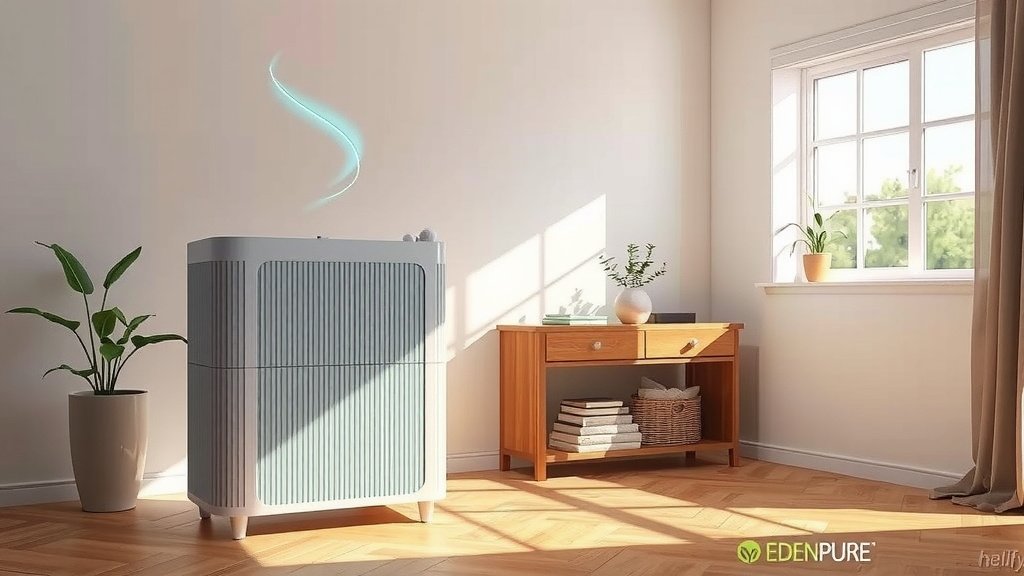
An EdenPURE air purifier works by drawing in air, passing it through a multi-stage filtration system, and then releasing cleaner, purified air back into your room. This process helps to remove common airborne pollutants like dust, pollen, pet dander, and smoke. You can expect a noticeable difference in your home’s air quality.
Many EdenPURE models utilize advanced technologies such as HEPA filtration and activated carbon filters. These work together to capture tiny particles and neutralize odors. This dual action tackles both visible and invisible air contaminants, making your living space feel fresher and healthier. It’s a smart way to manage indoor air.
- EdenPURE purifiers clean your air using filters.
- They capture dust, pollen, dander, and smoke.
- HEPA and carbon filters are often included.
- This leads to fresher, healthier indoor air.
- Many models offer advanced purification features.
Let’s walk through exactly how your EdenPURE air purifier gets the job done, step by step.
“`htmlUnderstanding How Your EdenPURE Air Purifier Works
You’re probably wondering exactly what’s happening inside your EdenPURE air purifier. It’s a clever process designed to clean the air you breathe. Think of it like a sophisticated filter system for your home. This explanation will guide you through each stage, so you know what your unit is doing to make your air fresher.
The Air Purification Journey: A Multi-Stage Process
Your EdenPURE air purifier uses a series of steps to trap and remove airborne particles. It starts by pulling air in from your room. Then, that air goes through various filters. Each filter has a specific job. Finally, cleaner air is sent back out into your living space. This cycle repeats continuously.
Step 1: Air Intake – Drawing In Contaminants
The process begins with the fan in your EdenPURE unit. This fan acts like a tiny vacuum cleaner for your room. It gently pulls in the surrounding air. This air contains all sorts of things you don’t want to breathe. Dust bunnies, pollen, pet dander, and even tiny smoke particles get drawn into the purifier.
Step 2: Pre-Filtration – Capturing Larger Particles
Before the air hits the main filters, it usually passes through a pre-filter. This first layer is like a coarse sieve. Its main job is to catch the larger particles. Think about things like pet hair and larger dust clumps. This step is important. It protects the more sensitive filters that come later. This helps them last longer and work more efficiently.
Step 3: The HEPA Filter – The Particle Powerhouse
Next, the air encounters the HEPA filter. This is often considered the heart of the air purification system. HEPA stands for High-Efficiency Particulate Air. These filters are incredibly effective. They can capture at least 99.97% of airborne particles that are 0.3 microns in size. To give you an idea, that’s smaller than most bacteria and viruses. You can trust this filter for trapping things like:
- Pollen
- Mold spores
- Dust mites
- Pet dander
- Tiny dust particles
Step 4: Activated Carbon Filtration – Tackling Odors and Gases
After the HEPA filter does its work on particles, the air moves to the activated carbon filter. This is where odors and gases meet their match. Activated carbon is a special type of charcoal. It’s treated to be extremely porous. This means it has a huge surface area. This large surface area allows it to adsorb, or trap, gases and odors. It’s like a sponge for smells. This filter is great for removing things like:
- Cooking smells
- Pet odors
- Smoke odors
- Volatile Organic Compounds (VOCs)
Step 5: Ionizer or UV-C Light (Model Dependent) – Additional Purification
Some EdenPURE models include additional technologies for even cleaner air. You might find an ionizer or a UV-C light. An ionizer works by giving particles an electrical charge. These charged particles then stick together. They become heavier and fall out of the air, or they get caught more easily by the filters. If your unit has a UV-C light, it’s designed to neutralize airborne germs. The UV-C light can damage the DNA of bacteria and viruses. This renders them unable to reproduce. It’s another layer of defense against microscopic threats.
Step 6: Releasing Clean Air – Back into Your Home
Once the air has passed through all the necessary filtration stages, it’s ready. The clean, purified air is then blown back into your room by the fan. This creates a continuous cycle of air cleaning. Your EdenPURE unit works quietly in the background. It’s constantly improving the air quality in your living space.
Key Technologies at Play
Your EdenPURE air purifier relies on a combination of proven technologies. These work together to provide effective air cleaning. Understanding these components helps you appreciate the system’s power. Here’s a quick breakdown of the main players you’ll find:
| Technology | What It Does | Benefits |
|---|---|---|
| HEPA Filter | Captures tiny particles like dust, pollen, and dander. | Reduces allergens and irritants for easier breathing. |
| Activated Carbon Filter | Absorbs odors, gases, and VOCs. | Eliminates unpleasant smells and chemicals. |
| Pre-Filter | Catches larger particles like hair and lint. | Extends the life of the HEPA and carbon filters. |
| Ionizer (Optional) | Charges particles to clump together. | Helps remove even smaller airborne particles. |
| UV-C Light (Optional) | Neutralizes germs like bacteria and viruses. | Provides an extra layer of sanitation. |
Simple Maintenance for Optimal Performance
To ensure your EdenPURE air purifier continues to work its best, a little maintenance goes a long way. You’ll want to keep an eye on your filters. Replacing them on schedule is key. The frequency depends on your usage and the air quality in your home. A dirty filter just can’t do its job effectively. You might notice the airflow decreases. Or, the unit might seem less effective at removing odors.
Here’s a quick checklist for keeping your unit in top shape:
- Check the pre-filter for dust buildup regularly.
- Clean or replace the pre-filter as needed.
- Replace the HEPA and activated carbon filters according to the manufacturer’s instructions.
- Ensure the air intake and outlet vents are free of obstructions.
- Wipe down the exterior of the unit occasionally.
- Listen for any unusual noises that might indicate a problem.
Following these simple steps will help your EdenPURE air purifier deliver clean air for a long time. It ensures you continue to breathe easier in your home.
“` “`htmlConclusion
You’ve seen how your EdenPURE air purifier works through its multi-stage process. It systematically tackles everything from large dust particles to microscopic allergens and bothersome odors. By understanding the journey air takes through its HEPA, activated carbon, and other filters, you can appreciate the clean air you’re breathing. To keep your unit performing at its best and ensuring your home environment stays healthy, remember to follow the simple maintenance tips. Regularly check and replace your filters as recommended by the manufacturer. Your commitment to this simple upkeep will guarantee your EdenPURE continues to deliver fresher, cleaner air for years to come.
Frequently Asked Questions
How often should I replace the filters in my EdenPURE air purifier?
Filter replacement frequency depends on your usage and the air quality in your home. Typically, HEPA and activated carbon filters should be replaced every 6-12 months. Your EdenPURE’s manual will provide the most accurate schedule.
Can an EdenPURE air purifier eliminate pet dander and odors completely?
Yes, EdenPURE air purifiers are designed to significantly reduce pet dander and neutralize pet odors. The HEPA filter captures dander, while the activated carbon filter absorbs odor-causing molecules.
Is the ionizer or UV-C light feature in EdenPURE models safe?
Yes, these features are generally considered safe when used as directed. Ionizers produce a small electrical charge, and UV-C light is used to neutralize germs. Always follow the manufacturer’s guidelines for operation.
Will an EdenPURE air purifier help with allergies and asthma symptoms?
Many users find relief from allergy and asthma symptoms by using an EdenPURE air purifier. By removing common allergens like pollen, dust mites, and mold spores, it can improve indoor air quality for sensitive individuals.
What is the difference between a HEPA filter and an activated carbon filter in my EdenPURE?
A HEPA filter excels at capturing tiny solid particles like dust and pollen. An activated carbon filter is designed to adsorb gases and odors, effectively removing smells and VOCs from the air.
“`


![What Is The Best Air Purifier for Dental Offices [In 2026]](https://homeunderstandable.com/wp-content/uploads/2025/06/best-air-purifier-for-dental-offices-enhance-air-quality-instantly-768x384.jpg)