Air Purifiers COVID-19 Effectiveness: What You Need to Know
Yes, air purifiers can be an effective tool against COVID-19, especially when used in conjunction with other safety measures. They work by filtering out airborne particles, including virus-sized droplets and aerosols. A good air purifier with a HEPA filter can significantly reduce the concentration of these particles in a room, thereby lowering transmission risk.
While not a standalone solution, air purifiers offer an added layer of protection. They are particularly helpful in shared indoor spaces where ventilation might be limited. Many studies and health organizations acknowledge their role in improving indoor air quality and mitigating the spread of airborne viruses like SARS-CoV-2, the virus that causes COVID-19. We found that units with a high Clean Air Delivery Rate (CADR) are generally more effective.
- Air purifiers can help reduce COVID-19 transmission.
- They are most effective when paired with other precautions.
- Look for models with HEPA filters for best results.
- Proper placement and room size coverage matter.
- They are a helpful addition to ventilation and masks.
Let’s dive into how these devices work to help keep your indoor air cleaner and what you should look for in an air purifier.
How Air Purifiers Help Against COVID-19
Air purifiers can play a helpful role in your strategy to reduce the spread of COVID-19 indoors. They work by capturing airborne particles, including those that carry the SARS-CoV-2 virus. Think of them as an extra set of lungs for your room, cleaning the air you breathe.
The Science Behind Cleaner Air
COVID-19 is primarily transmitted through respiratory droplets and aerosols released when an infected person coughs, sneezes, talks, or breathes. These tiny particles can linger in the air. Air purifiers are designed to pull this air in and pass it through a series of filters. This process removes a significant amount of these virus-carrying particles from the air circulation.
HEPA Filters: Your Best Friend
The star of the show in most effective air purifiers is the High-Efficiency Particulate Air (HEPA) filter. These filters are amazing. They are designed to capture at least 99.97% of airborne particles that are 0.3 microns in size. While the SARS-CoV-2 virus itself is smaller than 0.3 microns, it often travels attached to larger water droplets and aerosols. HEPA filters are very good at trapping these larger carriers (National Institutes of Health).
Beyond HEPA: Activated Carbon Filters
Some air purifiers also include activated carbon filters. These filters are great for absorbing odors and gases. While they don’t directly trap virus particles, they can help improve the overall air quality and remove other unpleasant smells. For COVID-19 prevention, a HEPA filter is the most important component.
Putting Air Purifiers to Work in Your Home
Understanding how air purifiers work is one thing, but knowing how to use them effectively is another. Placement, room size, and maintenance all matter for getting the most benefit.
Choosing the Right Size for Your Space
Not all air purifiers are created equal when it comes to covering a room. You’ll want to look for the Clean Air Delivery Rate (CADR). This number tells you how quickly the purifier can clean the air in a room of a certain size. A higher CADR means faster cleaning. Many experts suggest choosing a purifier with a CADR that is at least two-thirds of the room’s square footage (Environmental Protection Agency).
For example, if you have a 150-square-foot bedroom, you’d want a purifier with a CADR of at least 100 for smoke, dust, and pollen. Always check the manufacturer’s recommendations for the room sizes their unit is designed for. Using a purifier that’s too small for your space won’t be as effective.
Where Should You Place Your Air Purifier?
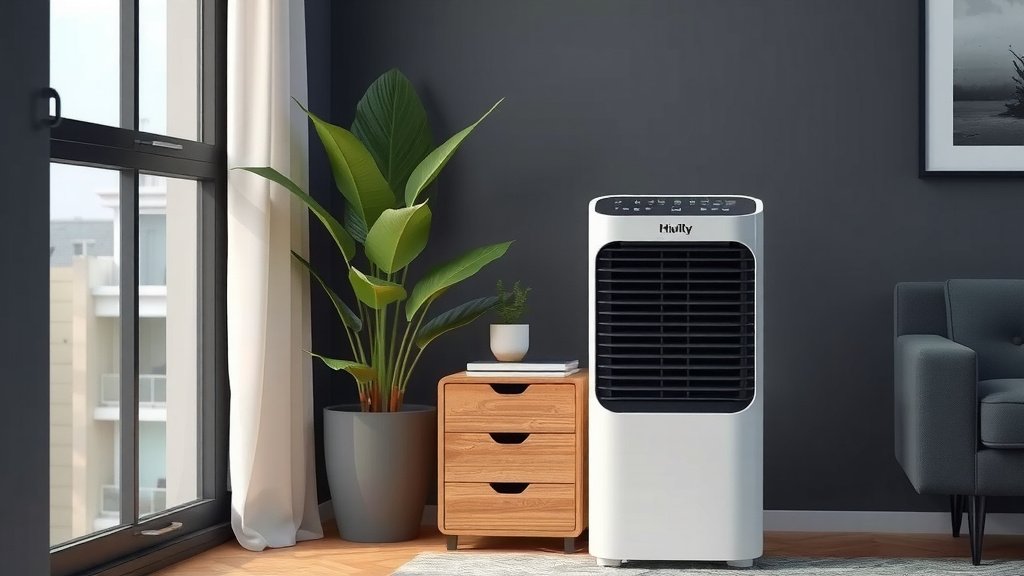
Placing your air purifier correctly can make a big difference. You want to maximize airflow. Keep the unit away from walls, curtains, and furniture that could block the intake or outflow of air. Placing it in a central location within the room often works best.
Think about where you spend the most time. If it’s your office, that’s a prime spot. If you want to protect your living room, put it there. For bedrooms, a unit running quietly overnight can be a great addition to your sleep sanctuary.
The Importance of Maintenance
Like any appliance, air purifiers need a little care to keep working well. This mainly involves cleaning or replacing the filters. Dirty filters can’t capture particles effectively and can even become a source of air pollutants themselves.
Always follow the manufacturer’s instructions for filter replacement. HEPA filters typically need to be replaced every 6-12 months, depending on usage and air quality. Pre-filters might need cleaning more often. Regular maintenance ensures your purifier continues to provide clean air.
Air Purifiers as Part of a Layered Approach
It’s important to remember that air purifiers are not a magic bullet. They are most effective when used alongside other public health measures. Think of it like wearing a seatbelt in a car – it adds a significant layer of safety, but you still need to drive carefully.
Combining Air Purification with Other Strategies
Health organizations, like the Centers for Disease Control and Prevention (CDC), recommend a layered approach to reducing COVID-19 transmission. This includes actions like:
- Improving ventilation: Opening windows and doors when possible helps dilute indoor air.
- Wearing masks: Especially in crowded indoor settings, masks can reduce the inhalation of virus particles.
- Practicing good hygiene: Frequent handwashing remains key.
- Vaccination: Staying up-to-date with recommended vaccines is a critical protective measure.
When you combine good ventilation with effective air purification, you create an environment where airborne virus particles are less likely to accumulate. Air purifiers can be especially helpful in rooms with poor natural ventilation or when you can’t open windows easily.
When Air Purifiers Shine the Brightest
Certain situations make air purifiers particularly beneficial. If you live in an area with poor outdoor air quality, like during wildfire season, an air purifier can help keep your indoor air clean. They are also useful in shared spaces like offices, classrooms, or community centers where ventilation might be a challenge.
Consider how much time people spend in a particular room. High-traffic areas or rooms where people gather for extended periods can benefit greatly from an air purifier. It’s about creating cleaner air zones where you need them most.
Here’s a quick checklist to remember:
- Check the CADR: Ensure it matches your room size.
- Look for HEPA: This is essential for capturing virus particles.
- Placement matters: Give your purifier room to breathe.
- Maintain your filters: Clean or replace them regularly.
- Layer your protection: Use purifiers with other safety measures.
Conclusion
You’ve learned that air purifiers can be a solid addition to your efforts against COVID-19. By effectively filtering out virus-carrying particles, they help improve your indoor air quality. Remember, they work best as part of a larger strategy that includes ventilation, masks, and good hygiene. Don’t rely on an air purifier alone, but use it to build a safer indoor environment. To get started, check the CADR and ensure your chosen model has a HEPA filter.
Frequently Asked Questions
Can an air purifier completely eliminate COVID-19 from my home?
No, an air purifier cannot completely eliminate COVID-19 from your home. They are designed to reduce the concentration of airborne virus particles, but they don’t remove every single one. It’s essential to continue using other protective measures like masks and ventilation.
How often should I replace the HEPA filter in my air purifier?
You should replace your HEPA filter roughly every 6 to 12 months, depending on how often you use the purifier and the air quality in your home. Always check the manufacturer’s recommendations for the most accurate guidance.
Is a portable air purifier effective for a large room or open-concept space?
For large rooms or open-concept spaces, you’ll need a portable air purifier with a high Clean Air Delivery Rate (CADR). Consider using multiple units or one larger, more powerful model to ensure adequate air cleaning for the entire area.
Do air purifiers help with variants of COVID-19?
Yes, air purifiers with HEPA filters are effective against airborne particles regardless of the COVID-19 variant. They capture virus-sized droplets and aerosols, which is how the virus, in its various forms, is transmitted.
Should I run my air purifier 24/7 to protect against COVID-19?
Running your air purifier continuously, especially in areas where people gather or spend a lot of time, can maximize its effectiveness. This ensures the air is constantly being filtered, reducing the potential for virus particle buildup.