What Does Top Load Mean: A Simple Explanation
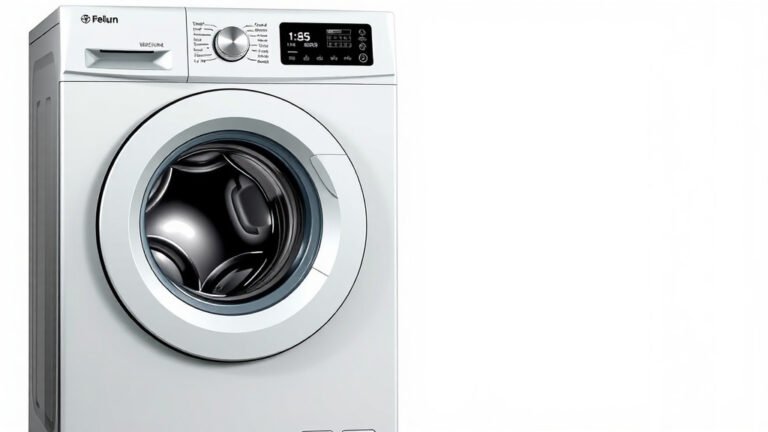
When you see “top load” in relation to appliances, it means the item loads from the top. For washing machines, this indicates the door or lid is on the upper part of the machine. You load your clothes in from above, rather than from the front like a front-load washer. Many people prefer this design for its familiarity and often gentler wash cycles.
Top load washing machines are a classic choice for many households. They typically feature a central agitator or an impeller to move clothes through the water. This style has been around for a long time and is known for its simplicity and ease of use. If you’re looking for a straightforward appliance, a top loader might be a great fit for your laundry room needs.
- Top load means the opening is on the top of the appliance.
- This applies to appliances like washing machines and dryers.
- You load items into the machine from above.
- It’s a common and often user-friendly design.
Let’s walk through exactly what a top load washing machine entails and how it compares to other types. We’ll cover the features that might make it the perfect choice for your home.
Understanding Top Load Washing Machines
A top load washer means the door or lid for loading laundry is located on the very top of the machine. You’ll be lifting clothes up and over the edge to get them inside. This contrasts with front load machines, where the opening is on the front panel.
How a Top Loader Works
Top load washing machines have been a staple in laundry rooms for decades. They generally operate using either an agitator or an impeller. The agitator is a tall, central post that twists and turns. It rubs against your clothes to help lift out dirt. Impellers are smaller, cone-shaped or disc-like features at the bottom of the tub. They spin and create currents to move clothes through the water.
The Role of the Agitator
If your top loader has an agitator, you’ll see a prominent post in the middle of the drum. This is the workhorse for many traditional top load designs. It’s known for providing a thorough cleaning action. However, some studies suggest it can be a bit rougher on fabrics, leading to more wear and tear over time.
The Impeller System
Many newer top load models feature an impeller instead of an agitator. This design usually offers a larger capacity because there’s no bulky central post. The impeller spins, creating a washing action that’s often described as gentler on your clothes. This can be a great choice if you have delicate items or want to prolong the life of your garments.
Key Features of Top Load Washers
Beyond the loading style, top loaders come with a range of features. You’ll find options that cater to different needs and budgets. Think about water levels, cycle types, and even smart capabilities.
Water Level Settings
Some top load washers allow you to select the water level. You can choose to fill the tub fully or use less water for smaller loads. Other models are designed to automatically sense the load size and adjust the water accordingly. This water efficiency can help you save on utility bills.
Wash Cycles and Options
Like most washing machines, top loaders offer various wash cycles. These include settings for normal, delicates, heavy duty, and more. You might also find special options like pre-soak, extra rinse, or steam. The number of cycles and options can vary greatly between models, so it’s worth checking what’s important to you.
Top Load vs. Front Load: A Quick Comparison
When deciding on a washer, the top load vs. front load debate is common. Each has its own set of advantages. We found that understanding these differences can really help you make the best choice for your home.
| Feature | Top Load Washer | Front Load Washer |
|---|---|---|
| Loading Style | Loads from the top. | Loads from the front. |
| Agitator/Impeller | Usually has an agitator or impeller. | Does not have an agitator. Uses tumbling action. |
| Ergonomics | Easier to load for some, no bending. | Requires bending or a pedestal. |
| Water Usage | Can use more water, especially older models. | Generally more water-efficient. |
| Cleaning Power | Agitator models can be very effective; impeller models are gentler. | Tumbling action is often gentler and effective. |
| Cycle Time | Often have shorter wash cycles. | Typically have longer wash cycles. |
| Capacity | Agitator models can have smaller capacities. Impeller models often larger. | Often offer larger capacities due to no agitator. |
Who is a Top Loader Best For?
Top load washing machines are often favored for their familiarity and ease of use. If you’re used to this style, it’s a simple transition. Many people find bending down to load a front loader more challenging. You can add clothes mid-cycle more easily with most top loaders too, which is a handy feature.
Considerations for Your Laundry Space
The physical space you have for your laundry setup is also important. Top loaders typically don’t require extra clearance above them, unlike front loaders which might need space for door swing. If you have cabinets or shelves above your washer, a top loader is likely a more practical choice.
Budget-Friendly Options
Generally speaking, top load washing machines, especially those with agitators, tend to be more affordable upfront. This can make them a very attractive option for those on a budget or looking for a straightforward, no-frills appliance. Many experts note that while initial cost is lower, long-term water and energy use might be higher. Generally speaking, top load washing machines are more affordable upfront than front load models.
Making the Choice: A Quick Checklist
To help you decide if a top loader is right for you, consider these points:
- Do you prefer loading from the top?
- Is ease of adding clothes mid-cycle important?
- Are you looking for a more budget-friendly purchase?
- Do you have limited space above your washer?
- Do you prefer simpler, more traditional controls?
- Is a faster wash cycle a priority for you?
Conclusion
You’ve learned that “top load” simply means an appliance loads from the top. For washers, this offers a familiar, often gentler washing experience. Whether you prefer the classic agitator or the newer impeller design, top loaders provide straightforward operation. They can be more budget-friendly upfront and easier to use if bending is a concern. Consider your space and laundry habits when making your choice. If ease of use and a traditional approach appeal to you, a top load washer might be your perfect fit for a cleaner wardrobe. If ease of use and a traditional approach appeal to you, a top load washer might be your perfect fit.
Frequently Asked Questions
Are top load washers good for large loads?
Many modern top load washers, especially those with impeller technology, offer impressive capacity. They can often accommodate larger loads of laundry. This is because they don’t have a central agitator taking up space.
Can I add clothes to a top load washer mid-cycle?
Yes, you generally can add clothes to a top load washer mid-cycle. Most models allow you to pause the wash and lift the lid to toss in forgotten items. This makes it easy to avoid extra loads for stray socks.
Do top load washers use more water than front load washers?
Older top load washer models often used more water than front loaders. However, many newer high-efficiency top load models are designed to be more water-efficient. They may even use sensors to adjust water levels for smaller loads.
What’s the difference between an agitator and an impeller top load washer?
An agitator is a central post that twists and turns to move clothes. An impeller is a low-profile disc or cone at the bottom that creates water currents. Impellers are often gentler on clothes and allow for larger capacities.
Are top load washing machines more expensive than front load washers?
Typically, top load washing machines are more affordable upfront than front load models. This lower initial cost can make them an attractive option for many households. However, long-term costs related to water and energy use might differ.

![7 Washer Dryers Best [In 2026]](https://homeunderstandable.com/wp-content/uploads/2026/09/7-washer-dryers-best-in-2026-featured-768x432.jpg)
![7 Best Washing Front Load Washing Machine [In 2026]](https://homeunderstandable.com/wp-content/uploads/2026/09/7-best-washing-front-load-washing-machine-in-2026-featured-768x432.jpg)
![7 Best Price For Stackable Washer And Dryer [In 2026]](https://homeunderstandable.com/wp-content/uploads/2026/09/7-best-price-for-stackable-washer-and-dryer-in-2026-featured-768x432.jpg)