
How Full to Load Your Front Load Washer for Best Results
You can load a front-load washer until the clothes are **loosely packed**. It should not be stuffed to the brim. Leaving some space allows water and detergent to circulate freely, ensuring a **thorough clean** and preventing damage to your machine. Overstuffing is one of the most common mistakes people make.
Knowing how full to load your machine is key to getting the **best wash results**. An underloaded machine wastes water and energy. An overloaded one can lead to poor cleaning and even damage. We found that a good rule of thumb is to aim for about **three-quarters full** for most loads.
- Don’t stuff your front loader.
- Leave space for water and detergent.
- About three-quarters full is usually ideal.
- Overloading can cause poor cleaning and machine damage.
Let’s walk through exactly how to tell if your front-load washer is loaded just right, and what can happen if it’s not.
“`htmlHow Much Can You Really Fit in Your Front Load Washer?
Figuring out the perfect load size for your front-load washer can feel like a bit of a puzzle. You want to get the most bang for your buck, but you also don’t want to ruin your clothes or your machine. We found that the sweet spot isn’t about cramming things in. It’s about giving everything room to move and get clean.
The Golden Rule: Loose Packing is Key
Think of your washing machine as a dance floor for your clothes. If it’s too crowded, no one can move, and the dance (or the wash) won’t be very good. You should be able to easily place your hand on top of the clothes in the drum and still have some space left. Many laundry experts suggest leaving at least a few inches of space at the top.
Why Space Matters So Much
That open space is where the magic happens. Water and detergent need to circulate freely to reach every fiber of your garments. Without enough room, they can’t do their job properly. This leads to clothes that come out still dirty, with soap residue, or worse, smelling stale.
The “Three-Quarters Full” Guideline
Many manufacturers and laundry pros recommend aiming for your front-load washer to be about **three-quarters full**. This isn’t a strict measurement, but a visual cue. When you look into the drum, you should see a good amount of clothing, but not so much that you can’t see the bottom of the drum clearly or easily push the clothes down.
What “Full” Really Looks Like
Let’s paint a picture. Imagine you’re filling a laundry basket. You can add clothes until it’s nicely full, but you can still easily see what’s inside and pick things out. Now, imagine that basket is your washing machine drum. You want it full enough to be efficient, but not so full that you can’t see the bottom easily or that the clothes are packed tightly.
The Downside of Overloading Your Machine
We’ve all been tempted to stuff just one more sock or towel in. It feels like a smart way to save a trip. However, overloading your front-load washer can cause a cascade of problems. Research consistently points to this as a major cause of laundry woes.
Poor Cleaning Performance
When clothes are packed too tightly, the detergent and water can’t get to all the surfaces. This means stains might remain, and overall cleaning is less effective. Imagine trying to scrub a spot on a rug by just pressing down on it – it won’t work as well as actually rubbing it. Your washer needs that space to agitate and clean properly.
Increased Wear and Tear on Your Washer
A stuffed drum puts a lot of strain on your washing machine’s components. The motor has to work harder to tumble the heavy, dense load. This can lead to premature wear and tear on the drum, bearings, and motor itself. Over time, this can result in costly repairs or even shorten the lifespan of your appliance. Many appliance repair technicians point to overloaded machines as a frequent culprit for early breakdowns (Cleveland Clinic).
Wrinkles and Damage to Clothes
Overloaded machines can trap heat and moisture. This can lead to excessive wrinkling, making your clothes harder to iron. Also, the tight packing can cause snagging and stretching, especially on delicate fabrics. You might find your favorite sweater looking a bit misshapen after a wash.
Longer Drying Times
If your washer can’t effectively spin out all the water due to an overloaded drum, your clothes will come out wetter. This means they’ll take much longer to dry, whether you use a dryer or line-dry them. This wastes energy and time.
What About Underloading? It’s Not Ideal Either!
While overloading is a common mistake, underloading has its own set of drawbacks. Putting too few items in the machine is essentially wasting resources.
Wasted Water and Energy
Washing machines use a fixed amount of water and energy for each cycle, regardless of the load size. Running a large machine with just a few small items means you’re using more water and electricity per item than necessary. This isn’t good for your utility bills or the environment. Many energy efficiency guides recommend matching load size to machine capacity (Energy Star).
Can Cause Imbalance Issues
Very small loads, especially those with only one or two heavy items like a single towel or a pair of jeans, can sometimes cause the machine to become unbalanced during the spin cycle. This can lead to excessive shaking and noise, and put stress on the machine’s suspension system.
A Simple Checklist for the Perfect Load
Here’s a quick way to check if you’re loading your front-load washer just right:
- Can you easily place your hand on top of the clothes?
- Is there still some space between the clothes and the top of the drum?
- Do the clothes look loosely packed, not tightly stuffed?
- Can you still see the bottom of the drum beneath the clothing?
- Does the drum feel significantly heavy or hard to push clothes down into? (If yes, it’s likely too full.)
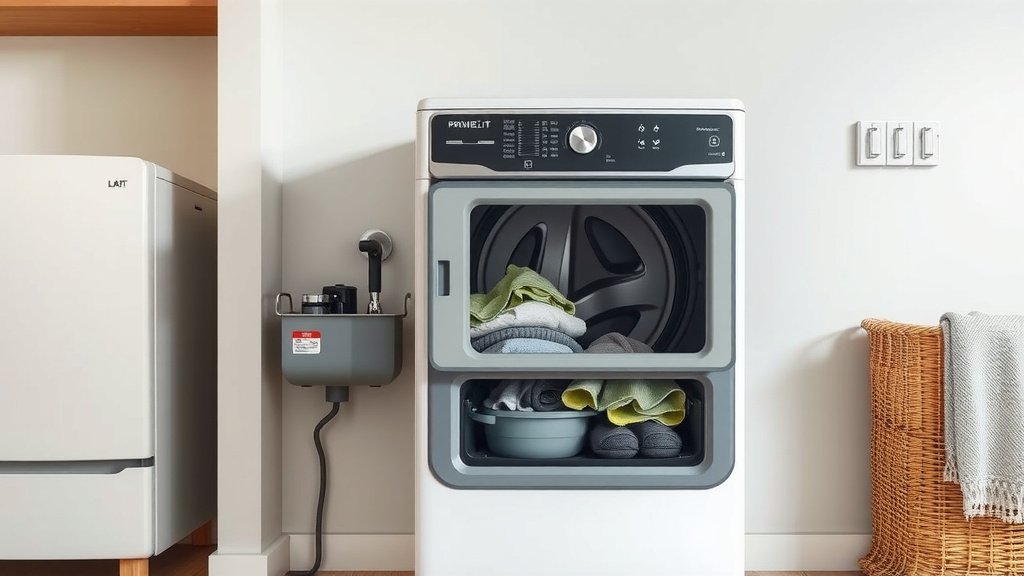
Sorting Your Laundry for Optimal Washing
Before you even start loading, proper sorting is key. Separate your laundry into different loads based on color, fabric type, and soil level. This not only helps prevent color bleeding but also allows you to wash similar items together. For example, heavy towels might need a different cycle and load size than delicate blouses.
Different Fabrics, Different Needs
Some fabrics are more delicate than others. You’ll want to leave more space when washing items like sweaters, lace, or anything with embellishments. Sturdier items like jeans or towels can generally handle a slightly fuller load, but never to the point of stuffing.
Tips for Larger Items
Washing bulky items like comforters or large blankets can be tricky. These items absorb a lot of water and can quickly make a load too heavy and dense. It’s often best to wash them one at a time, ensuring there’s plenty of room for them to move and rinse properly. Some manufacturers advise against washing very large comforters in standard-sized front-load machines at all, recommending professional cleaning or larger capacity machines instead.
“`Conclusion
You’ve learned that the secret to a sparkling clean wash and a happy washing machine isn’t cramming in as many clothes as possible. Your front-load washer needs breathing room. Aim for loosely packed loads, about three-quarters full, to ensure water and detergent can circulate effectively. This prevents poor cleaning, reduces wear and tear on your machine, and helps your clothes last longer. Next time you do laundry, trust your eyes and your touch to gauge the right load size. Your clothes and your washer will thank you for it!
Frequently Asked Questions
How do I know if my front load washer is too full?
A good sign is if you can’t easily push your hand down into the clothes or if the drum feels very heavy. You should always be able to see some space at the top and the clothes should look loosely packed, not compressed.
Can I wash just one or two heavy items in my front load washer?
While you can wash a few items, very small loads with heavy items like a single towel or pair of jeans can cause imbalance during the spin cycle. Try to add a few other items to balance the load if possible.
Will overloading my front loader damage it?
Yes, overloading can cause significant strain on your washer’s motor and bearings. This increased wear and tear can lead to premature breakdowns and costly repairs over time.
How does load size affect my clothes?
Overloading can lead to clothes not getting properly cleaned, increased wrinkling, and even damage like snagging or stretching. Underloading with heavy items can cause the machine to shake excessively.
Is there a difference in load size for different types of fabrics?
Absolutely. Delicate fabrics like sweaters or lace require more space for gentle cleaning. Sturdier items like towels can handle a slightly fuller load, but always avoid packing them tightly.
![7 Is It Best To Have An Agitator In A Washer [In 2026]](https://homeunderstandable.com/wp-content/uploads/2026/08/7-is-it-best-to-have-an-agitator-in-a-washer-in-2026-featured-768x432.jpg)
![7 Best Stackable Washer Dryer For Apartments [In 2026]](https://homeunderstandable.com/wp-content/uploads/2026/09/7-best-stackable-washer-dryer-for-apartments-in-2026-featured-768x432.jpg)

![7 Best Compact Stackable Washer Dryer Combo [In 2026]](https://homeunderstandable.com/wp-content/uploads/2026/09/7-best-compact-stackable-washer-dryer-combo-in-2026-featured-768x432.jpg)