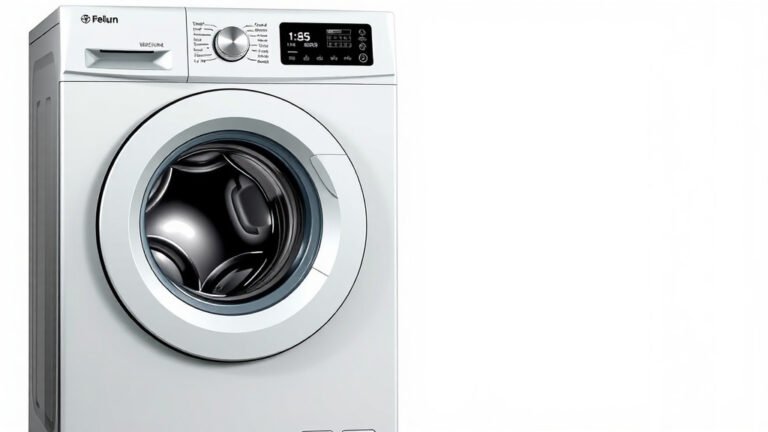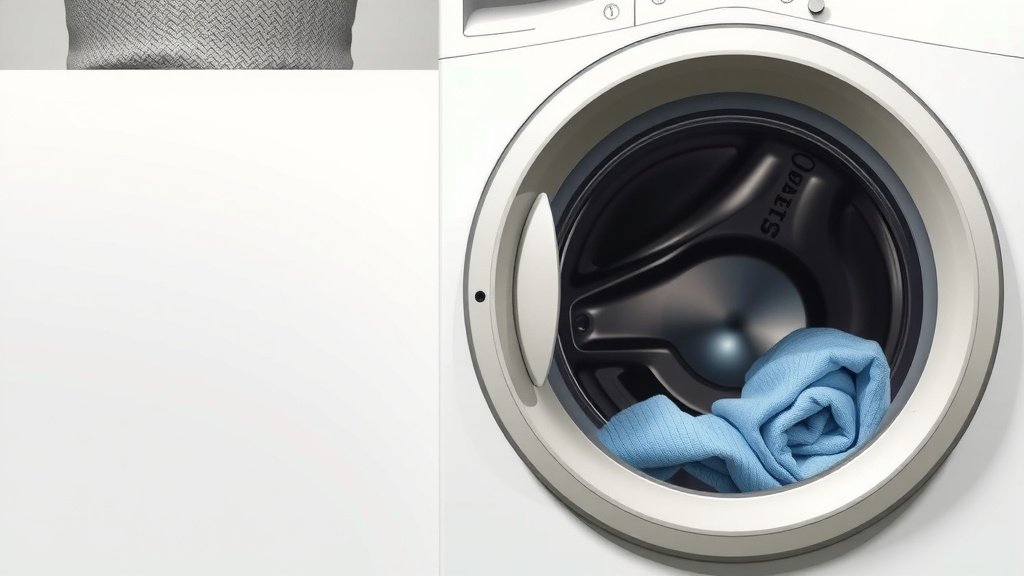
How Full to Fill Your Front Load Washer for Best Results
To get your laundry truly clean, you should fill your front load washer so the clothes are loose and not packed in. Think of it like a relaxed hug for your clothes. A full wash load means the water and detergent can move freely. This helps every piece of clothing get properly washed and rinsed. Overstuffing can lead to dingy clothes and even damage your machine.
When your front load washer is too full, clothes can’t tumble properly. This means dirt and grime don’t get lifted away effectively. You might find yourself re-washing loads, which wastes water and energy. Many experts also say leaving enough space protects your washing machine’s drum. A happy washer means happy laundry days!
- Don’t pack your front load washer tightly.
- Leave space for clothes to tumble freely.
- Overfilling leads to poor cleaning results.
- Proper loading protects your machine.
- Aim for loose, not tightly packed, loads.
Let’s walk through exactly how to find that perfect laundry sweet spot for your front load washer.
Filling Your Front Load Washer Correctly
The secret to a perfectly clean load of laundry in your front load washer isn’t about packing it to the brim. It’s about giving your clothes enough space to move. Think of it as creating a cozy environment for your clothes, not a mosh pit.
Understanding the Tumbling Action
Front load washers work by tumbling clothes. The drum rotates, lifting the clothes and then dropping them into the water. This tumbling action is what loosens dirt and grime. If your washer is too full, this tumbling action is restricted. Your clothes can’t flip over and get properly saturated. This means that dirt and detergent just can’t reach every part of the fabric effectively.
Why Space Matters for Cleaning
Researchers have found that proper load size is key for detergent to circulate. When clothes are too tightly packed, water and detergent struggle to penetrate the entire load. This can leave spots of dirt or undissolved detergent on your garments. You might notice streaky clothes or even a faint, musty smell after the cycle finishes.
The Role of Water in Front Loaders
Front load washers use much less water than older top load models. This is great for saving water and energy. However, it also means there’s less water available to help lift and carry away soil. If you overload the machine, there simply isn’t enough water to move around all those clothes. This makes effective cleaning even harder.
How Much Space Should You Leave?
A good rule of thumb is to fill your front load washer about two-thirds full. You want to be able to see the clothes, and they should look loose. Imagine tossing a few extra items on top and still having plenty of room. You should be able to easily reach your hand into the drum on top of the clothes.
The “Fist Test” for Load Size
One simple way to check is the “fist test.” After you’ve loaded your clothes, place your hand flat on top of the laundry pile. You should be able to comfortably push your fist down into the remaining space. If your fist fits snugly or not at all, your load is likely too full. You might need to remove a few items.
Separating Items for Better Results
Consider the types of items you’re washing. Large, bulky items like blankets or comforters take up a lot of space. Washing just one or two of these can easily overload a machine. It’s often better to wash them with a few smaller items to fill the gaps. Similarly, very small items like socks can fill up space quickly. Try to balance your loads with a mix of different sizes and types of clothing.
Consequences of Overloading Your Washer
Loading your front load washer too full isn’t just about less clean clothes. It can also lead to bigger problems down the line. Your machine works hard, and overloading it puts unnecessary stress on its components.
Impact on Cleaning Effectiveness
As we’ve discussed, an overloaded washer struggles to clean effectively. Dirt and detergent don’t distribute well. This can leave your clothes looking dingy, even after a full wash cycle. You might find that stains aren’t coming out properly. This often leads to the frustrating experience of having to re-wash loads. Re-washing wastes even more water, energy, and time.
Potential for Machine Damage
Beyond cleaning issues, overloading can harm your washing machine. The drum can become unbalanced during the spin cycle. This causes excessive shaking and vibration. Over time, this can lead to wear and tear on the motor, bearings, and suspension system. Many repair technicians report that overloading is a common cause of washing machine breakdowns. Following manufacturer guidelines helps protect your investment.
Strain on the Motor and Drum
When the drum is packed too tightly, the motor has to work harder to turn it. This extra strain can shorten the motor’s lifespan. The constant banging and shifting of overstuffed clothes can also damage the drum itself. You might notice strange noises or even visible dents over time. Experts say that giving the drum room to breathe is essential for its longevity.
Why Underloading Might Also Be an Issue
While overloading is more common, underloading can also present challenges. Washing very small loads means your clothes have excessive room to tumble. This can cause them to bang against the drum more forcefully during the spin cycle. It can also lead to an unbalanced load, even with just a few items. If you’re washing just one or two things, consider adding a few towels to create a more balanced load.
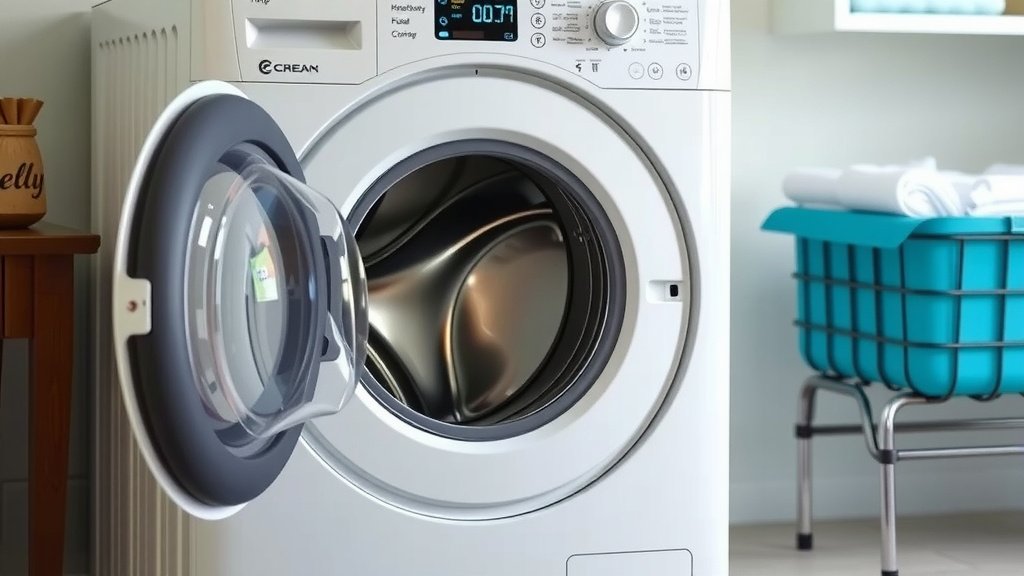
Tips for Perfect Load Sizes
Finding that sweet spot for your front load washer is easier than you might think. A few simple habits can make a big difference in how clean your clothes get and how long your machine lasts.
- Check your machine’s manual: Manufacturers often provide specific guidance on load sizes.
- Sort your laundry: Separate items by fabric type and color for best results.
- Don’t guess: Use the “fist test” or visually check for loose space.
- Avoid one-item loads: Unless it’s a large item like a comforter, try to add more.
- Consider the fabric: Heavier fabrics take up more space and require more water.
A properly loaded washer ensures that every item gets the attention it needs. Your clothes will come out cleaner, and your machine will thank you with years of reliable service. Happy washing!
Conclusion
You’ve learned that the key to a perfectly clean wash in your front loader is space. Your clothes need room to tumble freely for effective cleaning and rinsing. Aim for loads that are about two-thirds full, allowing your fist to fit comfortably on top of the laundry. Avoiding overstuffing not only ensures brighter, cleaner clothes but also protects your washing machine from unnecessary strain and damage. Make this simple loading habit part of your routine for happier laundry days and a longer-lasting appliance.
Frequently Asked Questions
Can I fill my front load washer all the way to the top?
No, you should not fill your front load washer all the way to the top. Leaving space ensures clothes can tumble properly, allowing water and detergent to reach every item. Overfilling prevents effective cleaning and can strain your machine’s components.
What is the “fist test” for loading a front load washer?
The “fist test” is a simple way to check if your load is too full. After loading your clothes, place your hand flat on top of the pile. You should be able to comfortably push your fist down into the remaining space. If your fist fits snugly or not at all, your load is likely too full.
How much space should I leave in my front load washer?
You should aim to fill your front load washer about two-thirds full. Your clothes should look loose and not packed tightly. Visually, you should see a good amount of open space at the top of the drum after loading.
Why is it bad to wash only one or two items in a front load washer?
Washing very small loads can also cause problems. While not as common as overloading, it can lead to an unbalanced load. The few items might bang against the drum excessively during the spin cycle, potentially causing wear and tear.
How do different fabric types affect how much I can load?
Heavier fabrics like towels or jeans take up more space and absorb more water than lighter items. When washing these, be mindful of how much volume they occupy. It’s often best to mix them with lighter clothing to ensure proper tumbling and water circulation.
![7 Best Front Load Stackable Washer Dryer [In 2026]](https://homeunderstandable.com/wp-content/uploads/2026/09/7-best-front-load-stackable-washer-dryer-in-2026-featured-768x432.jpg)

![7 Best Apartment Size Washer And Dryer Stackable [In 2026]](https://homeunderstandable.com/wp-content/uploads/2026/08/7-best-apartment-size-washer-and-dryer-stackable-in-2026-featured-768x432.jpg)