
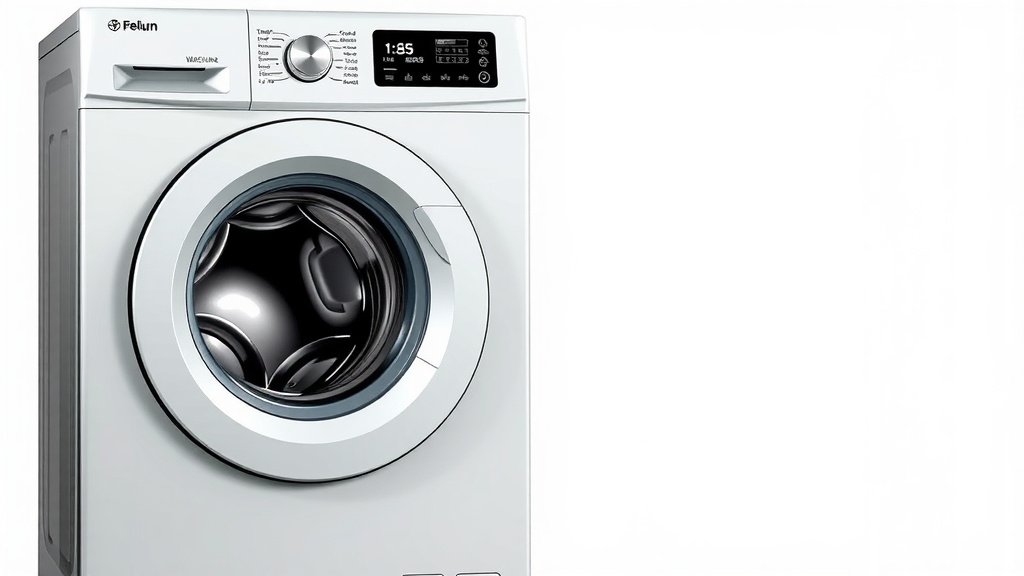
How Front Loader Washing Machines Work: A Simple Guide
A front-loader washing machine works by tumbling clothes through a small amount of water. This gentle tumbling action is key to how it cleans effectively. Unlike older top-loaders, it uses less water and can be more energy efficient.
These machines use gravity and the drum’s rotation to move your laundry. They are designed for a thorough clean with minimal wear on fabrics. Many people find them to be a great upgrade for their laundry routine.
- Front-loaders clean clothes by tumbling them in water.
- They use less water than traditional machines.
- This tumbling motion is efficient and gentle.
- Expect better cleaning with less wear on clothes.
Let’s walk through exactly how your front-loader gets those clothes sparkling clean, step by step.
Understanding Your Front-Loader’s Cleaning Cycle
So, how does that sleek front-loader actually get your clothes so clean? It’s a fascinating process that relies on a few key mechanical actions and smart design choices. Think of it like a gentle, effective massage for your fabrics.
The Water Fill and Drum Movement
First, your machine carefully adds just the right amount of water. This is one of the biggest differences from older top-loaders. Instead of filling the entire tub, a front-loader uses only enough water to wet the clothes and create a cleaning solution. The water level is typically much lower, covering only about one-third of the drum.
Once the water is in, the drum begins to rotate. This is where the magic happens! The drum doesn’t just spin around; it tumbles your clothes. It lifts them up the side of the drum and then lets them fall back down into the water. This tumbling action is the heart of the cleaning process.
How the Tumbling Action Cleans
This repeated lifting and dropping action achieves several things. Firstly, it helps the detergent penetrate the fabrics more effectively. The clothes are constantly moving through the soapy water, allowing the detergent to break down stains and dirt. It’s like swishing a sponge around in a sink full of soapy water – the more movement, the cleaner things get.
Secondly, the tumbling action provides a gentle friction. As the clothes tumble against each other and the sides of the drum, it helps to dislodge embedded dirt and grime. Unlike the harsh agitation you might find in some older machines, this is a much more controlled and gentler form of scrubbing. Research has shown this method is particularly good at reducing fabric wear over time (Consumer Reports).
The Role of Gravity
Gravity plays a big part in this process. As the drum turns, the clothes are carried upwards. When they reach a certain point, gravity pulls them back down into the water and detergent mixture. This natural force assists in the cleaning action, ensuring that all parts of the load get thoroughly exposed to the water and soap.
The Wash and Rinse Phases
During the wash cycle, the drum continues to tumble the clothes intermittently. The machine pauses and starts, allowing the detergent to work. It might also spray water from the top or sides to help rinse away loosened dirt. This controlled tumbling ensures that all items in the load are treated evenly. You won’t find one sock cleaner than the other because it happened to be at the top the whole time!
After the wash, the dirty water is drained away. Then, the machine begins the rinse cycle. It refills with clean water, and the tumbling action starts again. This time, the goal is to remove all traces of detergent and lingering dirt. Fresh water is crucial here. The tumbling ensures the rinse water reaches every fiber, leaving your clothes clean and free of residue.
The Spin Cycle Explained
The final stage is the spin cycle, and this is where your front-loader really shines. The drum spins at extremely high speeds. We’re talking hundreds, sometimes even over a thousand, revolutions per minute! This rapid spinning creates a powerful centrifugal force.
Centrifugal Force in Action
Think of a salad spinner. As you whirl it around, water is flung out from the lettuce. A front-loader works on the same principle, but on a much larger scale. The centrifugal force pushes the water outwards, pressing it through the fabric and out of the small holes in the drum. This extracts a remarkable amount of water from your clothes.
The result? Your clothes come out much drier than they would from many older machines. This means less time spent in the dryer, saving you energy and reducing wear and tear on your garments. Many studies suggest that efficient water extraction can lead to significant energy savings in the drying process (U.S. Department of Energy).
Key Components and Their Functions
To really get a grip on how your front-loader works, it helps to know the main players involved. It’s like understanding the roles of different instruments in an orchestra to appreciate the music.
The Drum and Tub
Your machine has two main cylindrical components: the inner drum and the outer tub. The inner drum is the perforated one where you place your clothes. It’s the part that rotates and tumbles your laundry. The outer tub is a sealed container that surrounds the inner drum. It holds the water during the wash and rinse cycles. This design is key to preventing leaks and allowing for that low-water wash you get with front-loaders.
The Motor and Drive System
The motor is the powerhouse. It drives the rotation of the inner drum. Modern front-loaders often use direct-drive motors, which are quieter and more energy-efficient than older belt-driven systems. This system is precisely controlled by the machine’s computer to achieve the different speeds and motions needed for each cycle – from gentle tumbling to a high-speed spin.
The Water Inlet Valve and Pump
The water inlet valve controls the flow of hot and cold water into the machine. It opens and closes based on the selected cycle and water temperature. The pump is responsible for draining the dirty water from the tub after the wash and rinse cycles, and also for recirculating water during certain wash actions. It’s a vital component for managing water levels.
Why Choose a Front-Loader? Benefits to Consider
Now that you know the mechanics, let’s look at why so many people are making the switch. The benefits are quite appealing for everyday laundry tasks.
Water and Energy Efficiency
As we’ve discussed, the low water usage is a major advantage. Less water means less energy needed to heat that water, leading to lower utility bills. The efficient spin cycles also mean your dryer runs for less time, adding to the energy savings. Research consistently shows front-loaders are among the most water-efficient washing machines available (Environmental Protection Agency).
Gentle on Clothes
The tumbling action is significantly gentler on fabrics compared to the agitation of traditional top-loaders. This means your clothes tend to last longer, showing less wear and tear. Less stretching, snagging, and abrasion means your favorite sweaters and jeans get to stay in your wardrobe for more washes. It’s a thoughtful approach to laundry care.
Superior Cleaning Performance
Many users report that front-loaders simply clean better. The combination of detergent action, gravity, and controlled tumbling allows for a deeper clean. Stains that might have lingered in older machines often come out more effectively. This enhanced cleaning power, coupled with gentleness, is a winning combination for many households.
Space-Saving Potential
Many front-loaders are designed to be stackable. This means you can place your dryer directly on top of your washing machine. This is a fantastic space-saving solution, especially for smaller homes or apartments. It can also make your laundry area look neater and more organized.
Thinking about making the switch or just want to be more informed? Here’s a quick checklist of what your front-loader does:
- Adds just enough water for the load.
- Tumbles clothes gently using gravity and rotation.
- Uses detergent effectively to break down dirt.
- Drains dirty water and rinses with clean water.
- Spins at high speed to extract most of the water.
- Leaves clothes cleaner, drier, and better cared for.
Conclusion
You now understand how your front-loader washes your clothes through a gentle tumbling action. This method uses less water and energy, while also being kinder to your fabrics. The combination of the drum’s rotation, gravity, and precise water management ensures a deep clean without excessive wear. By choosing a front-loader, you’re opting for a machine that offers superior cleaning performance and long-term fabric care. Consider exploring different front-loader models to find the best fit for your laundry needs and discover the benefits for yourself!
Frequently Asked Questions
Will a front-loader actually get my clothes cleaner than my old machine?
Research and user reports often indicate that front-loaders provide a superior clean. The tumbling action and controlled use of detergent help to break down stains more effectively. This method is generally more efficient at removing dirt compared to the agitation in many older top-loaders.
Can I put shoes or bulky items in a front-loader?
Generally, yes, front-loaders can handle bulky items like comforters or large towels well. For items like shoes, it’s best to check your machine’s manual. While the tumbling action is gentle, very heavy or rigid items could potentially cause imbalance or damage over time.
Is it true that front-loaders use much less water?
Yes, this is one of their biggest advantages. Front-loaders use significantly less water because they only need to wet the clothes and create a cleaning solution in the bottom portion of the drum. This low-water usage contributes to their energy efficiency.
How often should I clean my front-loader washing machine?
It’s recommended to clean your front-loader regularly, about once a month. This prevents buildup of detergent residue, mold, and mildew. Running a cleaning cycle with a washing machine cleaner or hot water and vinegar can keep it fresh and functioning optimally.
Why does my front-loader sometimes pause during the wash cycle?
Those pauses are intentional. The machine is likely adjusting water levels, allowing detergent to work, or preparing for the next tumbling motion. This controlled sequencing ensures that the wash cycle is efficient and effective for cleaning your clothes.
![7 Best Top Load Impeller Washer [In 2026]](https://homeunderstandable.com/wp-content/uploads/2026/08/7-best-top-load-impeller-washer-in-2026-featured-768x432.jpg)

![7 Best Cheap Stackable Washer Dryer [In 2026]](https://homeunderstandable.com/wp-content/uploads/2026/09/7-best-cheap-stackable-washer-dryer-in-2026-featured-768x432.jpg)

![7 Best Energy Efficient Stackable Washer And Dryer [In 2026]](https://homeunderstandable.com/wp-content/uploads/2026/09/7-best-energy-efficient-stackable-washer-and-dryer-in-2026-featured-768x432.jpg)
![7 What Is The Best Front Load Washer And Dryer [In 2026]](https://homeunderstandable.com/wp-content/uploads/2026/09/7-what-is-the-best-front-load-washer-and-dryer-in-2026-featured-768x432.jpg)