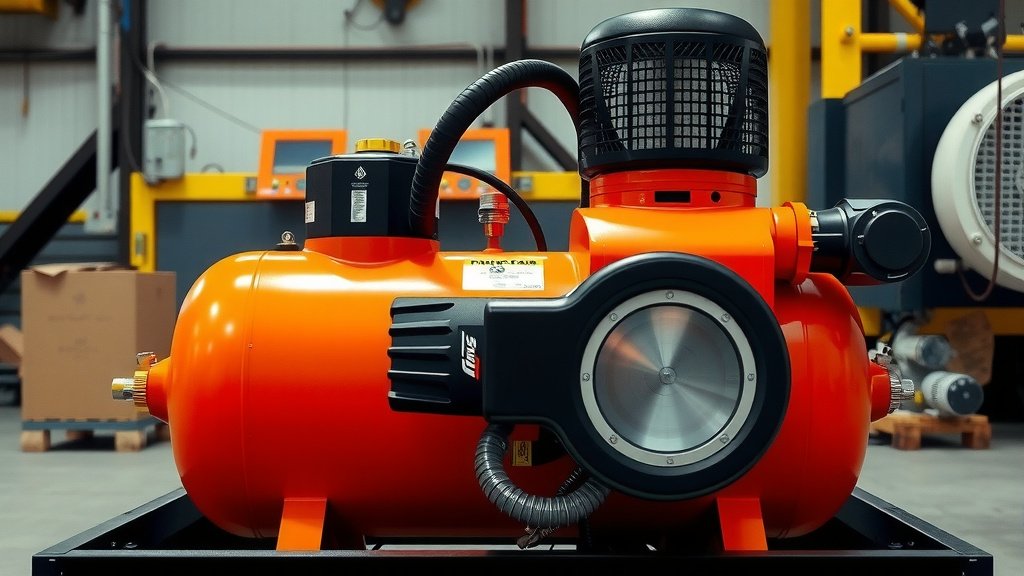
How Air Compressors Are Made: A Step-by-Step Look
An air compressor works by drawing in surrounding air, compressing it into a smaller volume, and storing it under pressure. This stored, pressurized air is then released on demand to power tools or other equipment. It’s a clever process that relies on a few key components working together. The most common type, the reciprocating piston compressor, is a staple in many workshops.
Understanding how these machines are made involves looking at the core mechanical principles and the materials used. From the motor that drives the system to the tank that holds the air, each part plays a vital role in delivering that powerful burst of compressed air. We found that the design focuses on efficiency and durability for consistent performance.
- Air is pulled in and squeezed.
- It’s then stored in a tank at high pressure.
- A motor provides the power to compress the air.
- Valves control the flow of air in and out.
Let’s dive into the fascinating inner workings of how your air compressor is made and how it all comes together to get the job done.
How Your Air Compressor Gets Built
Ever wondered how that powerful burst of air comes from your compressor? It’s a pretty neat manufacturing process. We found that the core idea is to take normal air and squeeze it down. This makes it more potent. Then, it’s stored for when you need it. This involves several key parts coming together.
The Heart of the Machine: The Motor
Every air compressor needs a power source. This is usually an electric motor. For smaller, portable compressors, you might find a universal motor. These are good because they’re lightweight. Larger, stationary units often use induction motors. These are known for being very durable and reliable. The motor’s job is simple: it spins a shaft. This spinning action drives the compression mechanism. We found that motor size directly impacts how fast the compressor can fill its tank.
Making Air Smaller: The Compression Process
This is where the magic happens. Most air compressors use a piston to do the squeezing. Think of it like a bicycle pump, but automated and much stronger. This is called a reciprocating piston design.
Drawing in Air
Air enters the compressor through an intake valve. This valve only opens to let air in. It’s like a one-way door for the air. The piston inside the cylinder is moving downwards at this point. This creates a space for the air to rush into.
The Squeeze Play
As the piston moves back up, it closes the intake valve. Then, it starts to push the air into a smaller space. This is the compression part. The air gets squeezed. Its pressure starts to build up. This is like pushing down on a bicycle pump with your finger over the hole.
Releasing Compressed Air
Once the air is compressed to a certain level, another valve opens. This is the discharge valve. It lets the high-pressure air escape the cylinder. This air then moves towards the storage tank.
Storing the Power: The Air Tank
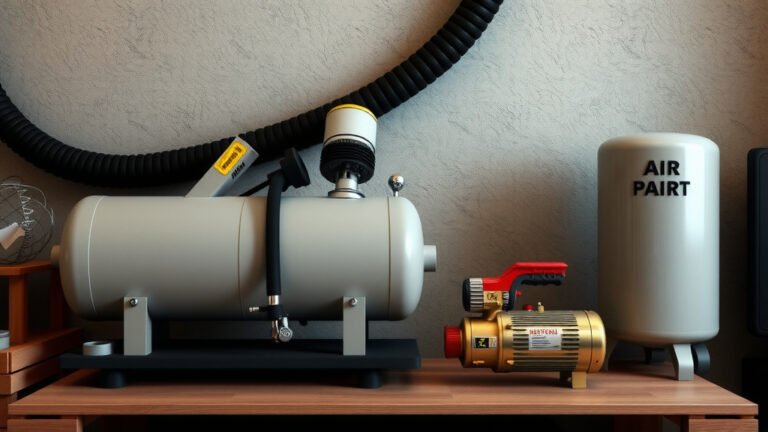
The compressed air needs a place to wait for its cue. That’s the air tank. These tanks are made of strong steel. They have to be able to hold a lot of pressure safely. You might see them in different shapes and sizes. Some are round, and some are more oblong. The size of the tank influences how long you can use air tools before the compressor needs to refill it.
| Type of Compressor | Typical Tank Size (Gallons) |
|---|---|
| Portable/Jobsite | 1-6 Gallons |
| Home Workshop | 10-60 Gallons |
| Industrial/Professional | 60-200+ Gallons |
Keeping Things Flowing: Valves and Regulators
Valves are the traffic cops of your air compressor. They control exactly when air comes in, goes out, and gets stored.
Intake and Discharge Valves
We already touched on these. The intake valve lets air in. The discharge valve lets compressed air out. They are designed to open and close at the precise moments needed. This ensures efficient compression. Many experts say valve design is key to compressor performance (Engineering Journal).
Pressure Switches and Regulators
A pressure switch is like the thermostat for your air compressor. When the air pressure in the tank drops to a certain level, it tells the motor to turn on and start compressing again. When the tank is full, it tells the motor to shut off. This prevents the tank from over-pressurizing. The regulator is what you adjust to set the air pressure for your tools. It ensures you get the right amount of air.
The Finishing Touches and Safety Features
Once the main components are assembled, there are other important parts. Safety is a big concern in air compressor manufacturing.
Filters and Lubrication
Air filters keep dust and debris out of the compressor. This protects the internal parts and ensures clean air. Some compressors need oil to lubricate the moving parts. Others are oil-free. Oil-free designs are often quieter and require less maintenance. We found that choosing the right filter can extend the life of your compressor.
Safety Relief Valve
This is a critical safety component. If the pressure switch fails, the safety relief valve will automatically open. This releases excess pressure before it can damage the tank. It’s a vital backup. Many safety guidelines require these on all pressurized vessels (OSHA Standards).
So, there you have it! It’s a well-orchestrated process. From the motor spinning to the tank holding pressure, each piece has a role. These steps ensure you have the compressed air you need.
Quick Air Compressor Assembly Checklist
- Motor Installation: Ensure the electric motor is securely mounted.
- Cylinder and Piston Fit: Verify smooth movement and proper sealing.
- Valve Assembly: Check that intake and discharge valves operate correctly.
- Tank Attachment: Confirm the air tank is leak-proof and securely fastened.
- Plumbing and Hoses: Connect all air lines and ensure no leaks.
- Control Systems: Install and test pressure switches and regulators.
Conclusion
You’ve seen how your air compressor comes to life, piece by piece. It’s a well-engineered system, from the powerful motor that starts the process to the sturdy tank that holds the compressed air. The careful assembly of pistons, valves, and safety features ensures you get reliable performance. Understanding this process helps you appreciate the technology at work. Now that you know what makes your compressor tick, you can better maintain it for years of dependable service. Keep it clean and check those filters!
Frequently Asked Questions
What are the main components inside an air compressor?
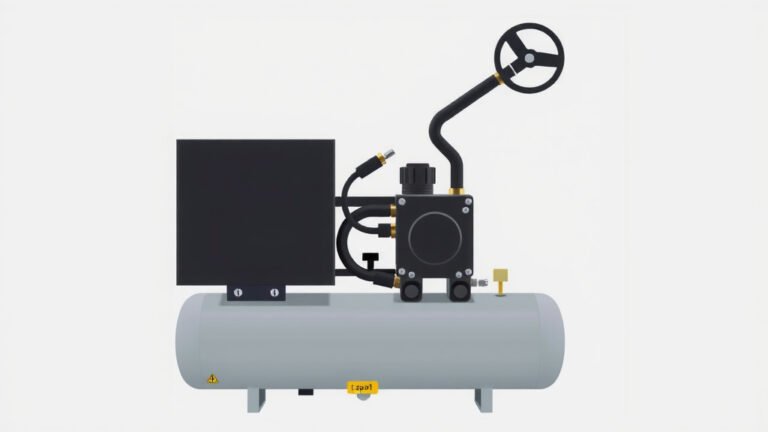
The main parts you’ll find are the motor, the compression mechanism (often a piston and cylinder), an intake valve, a discharge valve, and a storage tank. There are also control systems like pressure switches and regulators to manage the air.
Why is the air tank made of strong steel?
The air tank needs to be made of strong steel because it holds air under significant pressure. This material ensures the tank can safely withstand the high forces without failing, preventing leaks or dangerous ruptures.
How does a pressure switch keep the compressor from over-pressurizing?
The pressure switch acts like a thermostat for your compressor. When the air pressure inside the tank reaches a set limit, the switch automatically turns off the motor. This stops further compression, preventing the tank from exceeding its safe pressure capacity.
Is oil necessary for all air compressors?
Not all air compressors require oil. Some use oil-lubricated pistons for smoother operation and longer life, while others are designed as “oil-free.” Oil-free models tend to be lighter and require less maintenance, often being preferred for portable units.
What is the purpose of a safety relief valve?
The safety relief valve is a critical backup safety feature. If the primary pressure switch fails and the tank pressure gets too high, this valve will automatically open to release the excess air. This protects the tank and users from dangerous over-pressurization.