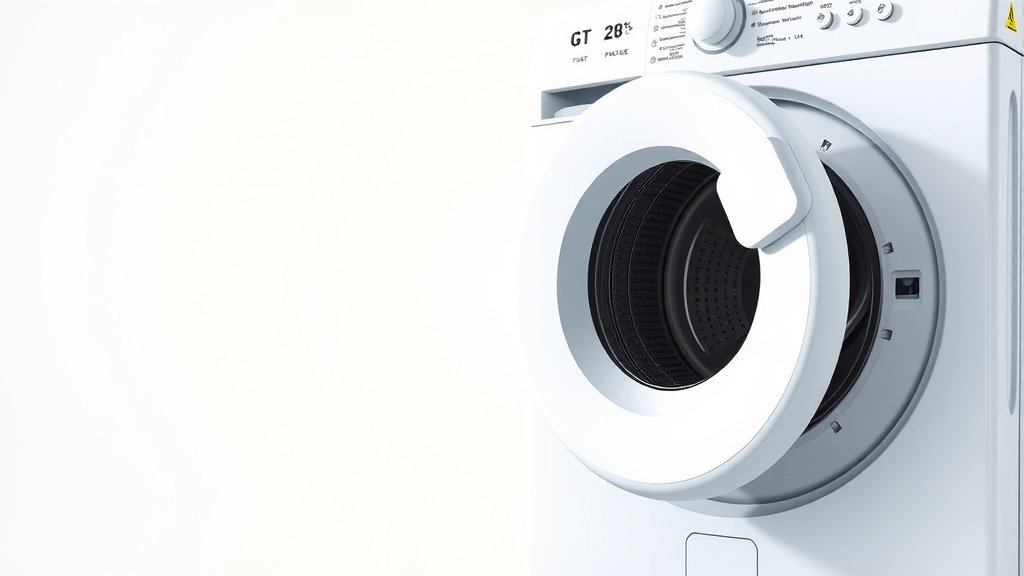
How Long Does a Combo Washer Dryer Take?
So, you’re wondering, “How long does a combo washer dryer take?” We found that a typical wash and dry cycle on a combo unit can range from 3 to 8 hours. This longer cycle time is the main trade-off for its space-saving convenience. It’s definitely not a speedy solution compared to separate machines.
Combo washer dryers are designed for efficiency and small spaces. They wash and then dry clothes in the same drum, which means the drying process takes longer than a traditional dryer. This can be a bit of a surprise if you’re used to separate appliances, but many users find the convenience worth the wait.
- Combo washer dryers take 3-8 hours for a full wash and dry cycle.
- They are space-saving but slower than separate machines.
- Drying is done in the same drum, which increases cycle time.
- Cycle length depends on load size and selected settings.
Let’s break down the factors that influence how long your combo washer dryer will run, so you can plan your laundry day like a pro!
Understanding Combo Washer Dryer Cycle Times
So, how long can you expect a full wash and dry cycle to run on your combo washer dryer? We found that a typical cycle can take anywhere from 3 to 8 hours. This extended timeframe is largely due to the machine washing and drying clothes in the same drum. It’s a trade-off for the amazing space-saving benefits these units offer.
Unlike separate washer and dryer units, a combo machine needs to complete the entire wash process before it can even begin the drying phase. Think of it like a marathon runner who needs to finish one leg of the race before starting the next. This means that if you’re used to popping clothes into a separate dryer right after washing, you’ll notice a big difference in speed. But don’t let the longer times discourage you; many users find the convenience and efficiency in a small footprint more than worth the wait.
Factors Affecting Your Combo Dryer’s Run Time
Several factors play a role in determining the exact duration of your combo washer dryer cycle. It’s not a one-size-fits-all situation. Let’s break down what influences the clock.
Load Size Matters
Just like with traditional machines, the amount of laundry you put in your combo unit will affect how long it takes. A smaller load will generally finish faster than a full load. The machine needs to ensure all items are properly cleaned and then evenly dried. Overloading can not only extend the cycle but also affect drying performance, leaving some items damp.
Fabric Types and Settings
The type of fabrics you’re washing and drying has a big impact. Delicates might require gentler, longer cycles to prevent damage. Heavy items like towels or jeans will take longer to dry thoroughly. Most combo units offer various settings for different fabric types and levels of soil. Choosing the right setting is key to optimizing both cleaning and drying time.
Delicate vs. Heavy Duty
For example, a cycle designed for delicates might wash at a lower temperature and spin less aggressively, followed by a lower heat drying phase. Conversely, a heavy-duty cycle for durable items will likely use warmer water and a more vigorous wash, followed by a hotter, potentially longer drying period to ensure those thick fabrics are completely dry. Understanding your machine’s settings is your first step to predicting cycle times.
Water Temperature and Spin Speed
Higher water temperatures and faster spin speeds can influence how long a cycle takes. Hotter water might speed up the washing of certain stains, but it can also increase the overall energy consumption of the cycle. A higher spin speed extracts more water from your clothes after the wash, which can potentially shorten the drying time needed. However, very high spin speeds might not be suitable for all fabrics.
Typical Cycle Durations Explained
Let’s get into some specifics about what you can expect. Remember, these are general estimates, and your specific machine might vary.
Standard Wash and Dry Cycles
For a standard wash and dry cycle, many users report times ranging from 5 to 7 hours. This typically covers a mixed load of everyday clothing. The machine will wash your clothes, then it needs to vent out the moist air and heat up to dry everything. This process is inherently slower than using two separate machines.
Quick Wash & Dry Options (If Available)
Some modern combo units offer “quick wash” or “wash and dry” options that aim to speed things up. However, even these are often quite lengthy compared to separate machines, sometimes still clocking in at 3-4 hours for a very small load. These are best for lightly soiled items you need in a hurry, not for your weekly laundry overhaul.
Longer, Intensive Cycles
If you select an intensive cycle, perhaps for heavily soiled items or larger loads, you could be looking at 8 hours or even more. These cycles prioritize thorough cleaning and drying above all else, using more water, energy, and time to get the job done perfectly. It’s like giving your clothes a spa day that takes a while but leaves them feeling brand new.
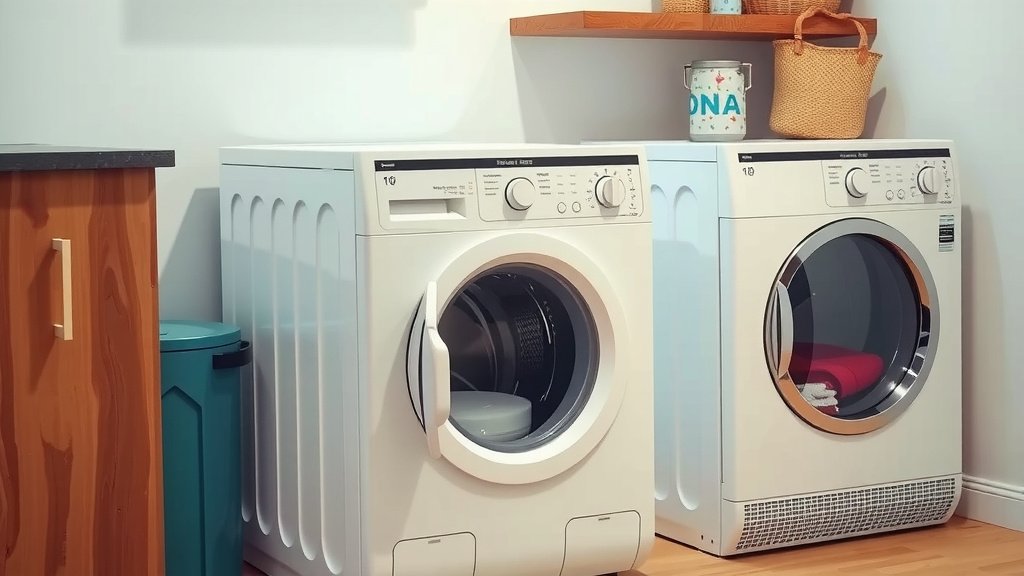
Comparing Combo Units to Separate Appliances
It’s helpful to compare the timeline to what you might be used to with separate machines.
The Speed Difference
With separate washer and dryer units, a wash cycle might take 30-60 minutes, and a dry cycle might take another 45-75 minutes. You could complete an entire load in about 1.5 to 2.5 hours. A combo unit, taking 3-8 hours for the same job, is undeniably much slower. This is the main compromise for its compact design.
The Convenience Factor
However, the convenience of a combo unit is undeniable, especially for those with limited space, like apartment dwellers. You can start a load before leaving for work, and it will be washed and dried by the time you get home. No transferring wet clothes to another machine! It’s a set-it-and-forget-it approach, albeit a lengthy one.
Tips for Managing Longer Cycle Times
Since these cycles are long, planning is key. Here are a few tips to help you manage your laundry day:
- Plan Ahead: Always start your combo washer dryer cycle well in advance of when you need the clothes.
- Use Timed Dryers (if available): Some models allow you to set a timed dry. Use this if you know how long your clothes typically take to dry.
- Don’t Overload: Stick to smaller to medium loads for better drying results and potentially slightly shorter times.
- Check the Manual: Your specific model’s manual will have the most accurate cycle time estimates.
- Run Overnight: If your unit is quiet enough, running a cycle overnight can be a great way to get laundry done without it interfering with your day.
- Consider Air Drying: For certain items, you might opt to just wash them and then air dry them to save time on the combo unit.
Conclusion
So, you’ve learned that combo washer dryers typically take 3 to 8 hours for a full wash and dry cycle. While this is longer than separate machines, it’s the price you pay for space-saving convenience. Remember that factors like load size, fabric type, and chosen settings all influence the final time. Don’t let the extended cycle times deter you; they offer a fantastic solution for smaller living spaces. Your best bet is to plan your laundry around these longer cycles and consult your user manual for the most accurate estimates for your specific model.
Frequently Asked Questions
Can I run a combo washer dryer overnight?
Yes, many people find running a combo washer dryer overnight to be a great solution. If your unit is relatively quiet and doesn’t disturb your sleep, you can start a cycle before bed and wake up to clean, dry clothes. Just ensure you’ve selected the appropriate settings for a complete cycle.
How do I speed up a combo washer dryer cycle?
While you can’t drastically speed up the inherent process, you can optimize. Using smaller loads and selecting fabric types that dry faster can help shave off time. Some models have “quick wash” options, but these are usually for lightly soiled items and still take several hours.
Why does my combo washer dryer take so long to dry?
Combo units dry clothes in the same drum where they were washed, meaning they must first remove wash water and then heat up to dry. This internal process is much slower than a dedicated dryer that can vent heat more efficiently. Overloading can also significantly extend drying times.
Is a combo washer dryer worth it if the cycles are so long?
For individuals or couples in apartments, small homes, or RVs, the space-saving convenience often outweighs the longer cycle times. If you have the space for separate machines, they will be significantly faster. It really depends on your priorities and living situation.
What’s the shortest possible cycle time for a combo washer dryer?
The shortest cycle time you’re likely to find is around 3 hours, and this is typically for a very small load of lightly soiled items using a “quick wash and dry” setting. Standard wash and dry cycles will always take considerably longer, often 5 hours or more.