
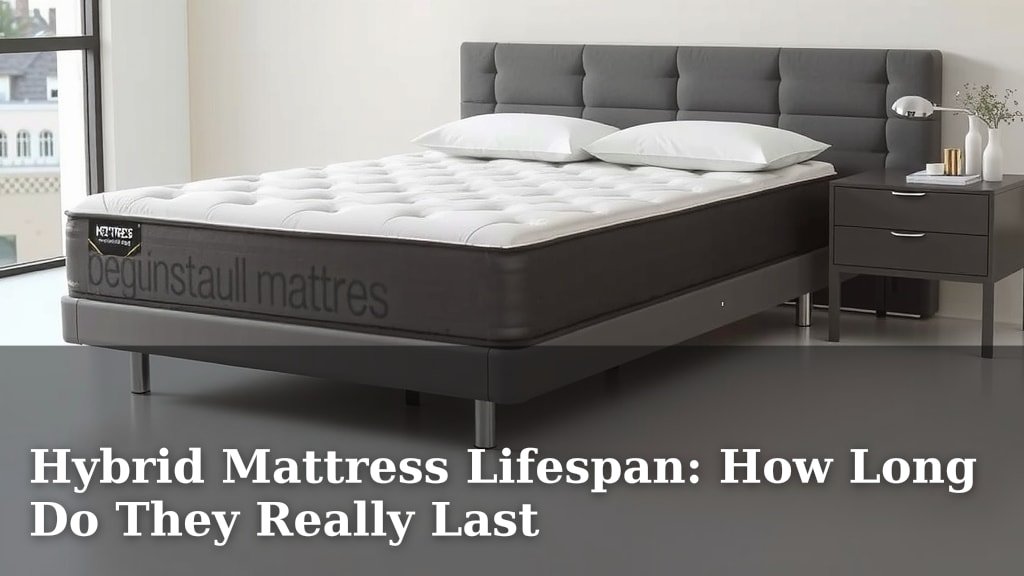
Hybrid Mattress Lifespan: How Long Do They Really Last
A hybrid mattress typically lasts between 7 and 15 years. This lifespan depends on several factors, including the quality of materials used and how well you care for it. Understanding these factors can help you get the most out of your hybrid sleep surface.
When you invest in a mattress, you want it to last. Hybrid mattresses combine the benefits of different materials, often spring coils and foam layers. This blend can offer excellent support and comfort, but like all mattresses, they will eventually show wear. We’ve researched the typical lifespans to help you decide.
- Hybrid mattresses generally last 7-15 years.
- Care and material quality affect longevity.
- Higher-density foams and quality coils often mean a longer life.
- Proper maintenance can extend your mattress’s lifespan.
Ready to learn more about what influences your hybrid mattress’s life? Let’s break down the key elements that determine how long yours will stay supportive and comfortable for your best sleep.
So, you’ve invested in a hybrid mattress, and you’re wondering how long it will actually last. It’s a fair question! Knowing the expected lifespan helps you get your money’s worth and understand when it might be time for a new sleep companion. We’ve looked into what gives these mattresses their staying power.
Factors Influencing Your Hybrid Mattress’s Lifespan
Your hybrid mattress isn’t just one thing; it’s a team player! It combines coils for bounce and support with foam layers for comfort. This combination can mean a longer life than some other mattress types. But, like your favorite pair of jeans, how long it stays in great shape depends on a few key things.
Material Quality Matters a Lot
The first big influencer is the quality of the materials. Think of it like building a house. Better bricks and sturdy lumber mean a stronger structure. The same goes for your mattress.
Coil Count and Gauge
The innerspring system is the backbone. A higher coil count generally means better support and durability. Also, the ‘gauge’ of the wire is important. A lower gauge number means thicker wire. Thicker wires are stronger and last longer.
Foam Density and Type
Hybrid mattresses use foam, often memory foam or latex. Higher-density foams are more resilient. They resist sagging better over time. Latex foam, in particular, is known for its impressive durability and bounce-back quality.
How You Use and Care for Your Mattress
Beyond what it’s made of, how you treat your mattress plays a huge role. It’s like maintaining a car; regular upkeep makes it run smoother for longer.
Rotation and Flipping
Many hybrid mattresses are designed for one-sided use, so flipping isn’t usually an option. However, rotating your mattress every 3-6 months is key. This means moving the head of the bed to the foot. It helps distribute wear evenly. You’ll find this advice in many manufacturer guides.
Protector Use is Essential
A good mattress protector is your mattress’s best friend. It shields against spills, sweat, and allergens. Without one, liquids can seep into the foam and coils. This can lead to mold, mildew, and breakdown of materials. We found that using a protector significantly extends a mattress’s life.
Your Sleeping Habits
Are you a restless sleeper who tosses and turns a lot? Do you often sit on the edge of the bed? These actions can put extra stress on certain areas. Consistent, heavy use without rotation can lead to premature wear. It’s similar to how a path gets worn down faster if everyone walks on it the same way.
Weight Distribution and Support
The weight your mattress supports regularly impacts its lifespan. If you’re on the heavier side, or if two people share the bed regularly, this adds more pressure.
Weight Limits
Most mattress manufacturers have weight recommendations. Exceeding these limits can cause the coils to compress faster. The foam layers may also wear out quicker. Always check the manufacturer’s guidelines for specific weight limits.
Foundation or Box Spring
The base your mattress rests on is also critical. A proper foundation provides even support. A sagging box spring or an old, worn-out frame can cause your mattress to dip. This uneven support can lead to premature sagging and discomfort.
| Mattress Component | Impact on Lifespan | Typical Longevity Factor |
|---|---|---|
| High-Density Foams | Resist sagging and body impressions. | Increases lifespan by 2-5 years. |
| Quality Innersprings (Pocketed Coils) | Offer better support and durability. | Increases lifespan by 3-6 years. |
| Latex Comfort Layers | Highly resilient and durable material. | Can add 5+ years to mattress life. |
| Mattress Protector | Prevents damage from spills and allergens. | Helps maintain original condition for longer. |
| Regular Rotation | Distributes wear and tear evenly. | Can extend lifespan by 1-3 years. |
Signs Your Hybrid Mattress Might Be Nearing Its End
How do you know when your mattress is ready to retire? You’ll likely notice a few things. Your body often tells you before the mattress does!
- Noticeable sagging or body impressions.
- Increased aches and pains when you wake up.
- Torn fabric, ripped seams, or broken coils.
- A feeling of being less supported than before.
- The mattress is no longer comfortable for sleeping.
Most experts agree that a well-maintained hybrid mattress can serve you well for seven to fifteen years. By understanding these factors and taking good care of your investment, you can help ensure you get the most comfortable and supportive sleep for years to come. It’s all about giving your mattress the best chance to do its job!
Conclusion
Your hybrid mattress is a significant investment in your sleep health. By understanding that quality materials and attentive care can extend its life to 7-15 years, you’re better equipped to enjoy it. Remember that regular rotation and a reliable mattress protector are simple yet powerful ways to maintain its comfort and support. If you notice persistent sagging or new aches, it might be time to consider a replacement. Take these steps to maximize your mattress’s lifespan and ensure you continue getting restful nights.
Frequently Asked Questions
How do I know if my hybrid mattress is starting to fail?
You’ll likely notice a decline in comfort and support. Common signs include visible sagging or deep body impressions, increased back or joint pain upon waking, and a general feeling that the mattress is no longer cushioning you effectively.
Can a mattress protector really make that much difference in lifespan?
Yes, a good mattress protector acts as a barrier against spills, sweat, and allergens. This prevents moisture and stains from reaching the inner layers, which can degrade materials and lead to issues like mold or mildew, thus significantly helping your mattress last longer.
Is it worth repairing a sagging hybrid mattress?
Generally, repairs for sagging hybrid mattresses are not recommended or cost-effective. The underlying issues, like compressed coils or degraded foam, are difficult to fix permanently. It’s usually more practical to replace the mattress if it’s showing significant wear.
Does the weight of the sleepers affect how long a hybrid mattress lasts?
Yes, heavier sleepers or couples regularly exceeding the mattress’s weight limit can put more stress on the coils and foam. This can accelerate wear and lead to premature sagging and a reduced overall lifespan compared to lighter individuals or single sleepers.
Should I worry about rotating my hybrid mattress if it feels fine?
Even if your hybrid mattress still feels comfortable, regular rotation is key for even wear. Skipping this step means certain areas bear more weight consistently, which can lead to premature sagging and uneven support over time. Aim to rotate it every 3-6 months.
![What Is The best mattress for compression fracture [In 2026]](https://homeunderstandable.com/wp-content/uploads/2025/12/Best-mattress-for-compression-fracture.jpg)
![What Is The Best Mattress for Lumbar Stenosis [In 2026]](https://homeunderstandable.com/wp-content/uploads/2025/12/Best-Mattress-for-Lumbar-Stenosis.jpg)

![5 Best Memory Foam Mattress for Overweight Person [In 2026]](https://homeunderstandable.com/wp-content/uploads/2025/08/Best-Memory-Foam-Mattress-for-Overweight-Person.jpg)
![7 Best Mattress For Side Sleepers Not Memory Foam [2026]](https://homeunderstandable.com/wp-content/uploads/2026/06/7-best-mattress-for-side-sleepers-not-memory-foam-2026-featured-768x432.jpg)