Washer Dryer Combos: A Look at Their History
Washer dryer combos have been around for a while, with the earliest versions appearing in the late 19th century. While they’ve become more advanced, the basic concept of a single unit performing both washing and drying functions is not a new invention.
These all-in-one machines offer a space-saving solution that appeals to many households. They combine the convenience of a washer and dryer into one compact appliance. We found that early models paved the way for today’s modern, efficient designs.
- Washer dryer combos have existed since the late 1800s.
- Early versions were bulky and less efficient.
- Modern combos offer convenience and space-saving benefits.
- They continue to be a popular choice for smaller living spaces.
Let’s take a closer look at the history of these handy appliances and see how far they’ve come since their early beginnings.
A Look Back: When Did Washer Dryer Combos First Appear?
You might be wondering just how long these all-in-one laundry solutions have been gracing our homes. We found that the concept isn’t as modern as you might think. The very first prototypes of combined washing and drying machines actually popped up in the late 19th century. Imagine that! A single machine to handle your entire laundry load. It was a pretty revolutionary idea back then.
These early contraptions were quite different from the sleek units you see today. They were often large and cumbersome. Their functionality was also quite basic. Still, they represented a step forward in home convenience. It shows that the desire for space-saving and efficient laundry solutions has been around for a long, long time.
The Dawn of the All-in-One: Early Innovations
When we look at the history of washer dryer combos, the late 1800s mark a fascinating starting point. Inventors were already thinking about how to combine two major household chores into one appliance. This was a big deal for households that didn’t have a lot of space. It also appealed to those who wanted to save time.
The First Steps: Precursors to Combos
Before true “combos” existed, there were machines that performed one function extremely well. Then came attempts to link them. Think of it like early smartphones trying to integrate a phone and a rudimentary camera. Early patents show machines that could wash clothes, and then later, separate devices were designed to dry them. The challenge was always making them work efficiently together.
Combining Functions: The Early Attempts
The real innovation came when engineers tried to build a single drum that could both wash and dry. These early models were often mechanical marvels, requiring manual intervention between cycles. You might have had to move the clothes yourself. Or perhaps adjust some levers. They weren’t automated like today’s models, but they were a start.
We found that these first attempts weren’t always successful. Some early designs were prone to breaking. Others simply didn’t dry clothes very well. The concept was sound, but the technology was still catching up. It highlights how far appliance engineering has come, offering us more reliable options now.
Evolution Through the Decades: Progress and Refinement
The journey of the washer dryer combo didn’t stop in the 19th century. Each decade brought new ideas and improvements. The 20th century, in particular, saw significant leaps in appliance technology. Homeowners began to expect more from their machines.
Mid-20th Century Advancements
By the mid-1900s, you start seeing more recognizable forms of the combo unit. Companies began experimenting with electric motors and improved drum designs. This allowed for more automated cycles. The idea of a “set it and forget it” laundry day was starting to become a possibility.
These machines were still quite large compared to modern standards. They also used a lot of water and energy. But for their time, they were considered quite advanced. They offered a level of convenience that was unprecedented for many families. It was a real luxury for its era.
The Rise of Efficiency and Electronics
As technology progressed into the latter half of the 20th century, we saw the integration of more sophisticated electronics. This meant better control over cycles. It also led to improved washing and drying performance. Sensors started to appear, helping machines detect load size and moisture levels.
Many experts point to the late 20th century as a turning point for appliance efficiency. Manufacturers started focusing on reducing water and energy consumption. This was driven by both consumer demand and growing environmental awareness. Washer dryer combos began to reflect these changes, becoming more resource-friendly.
Modern Washer Dryer Combos: What You See Today
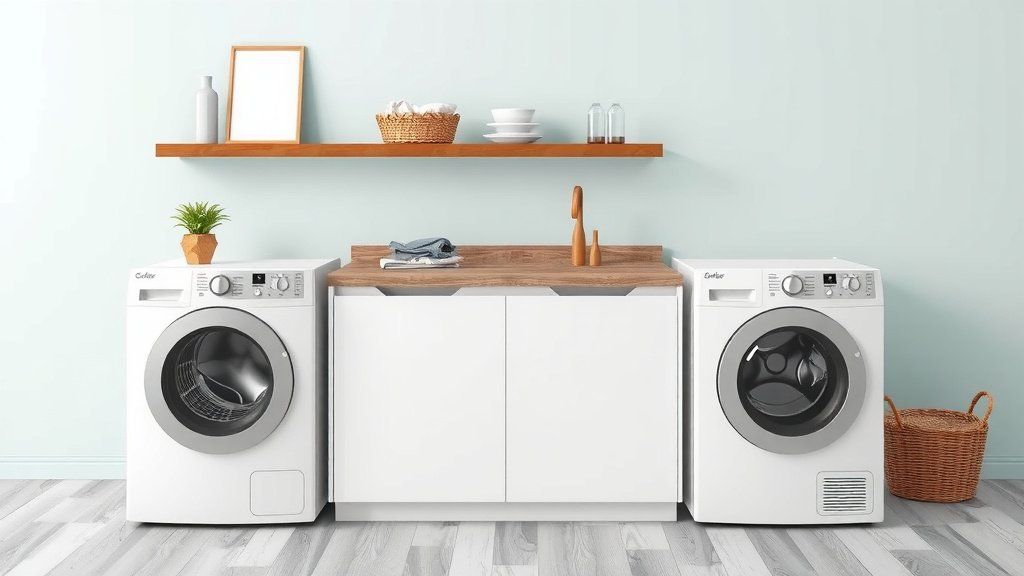
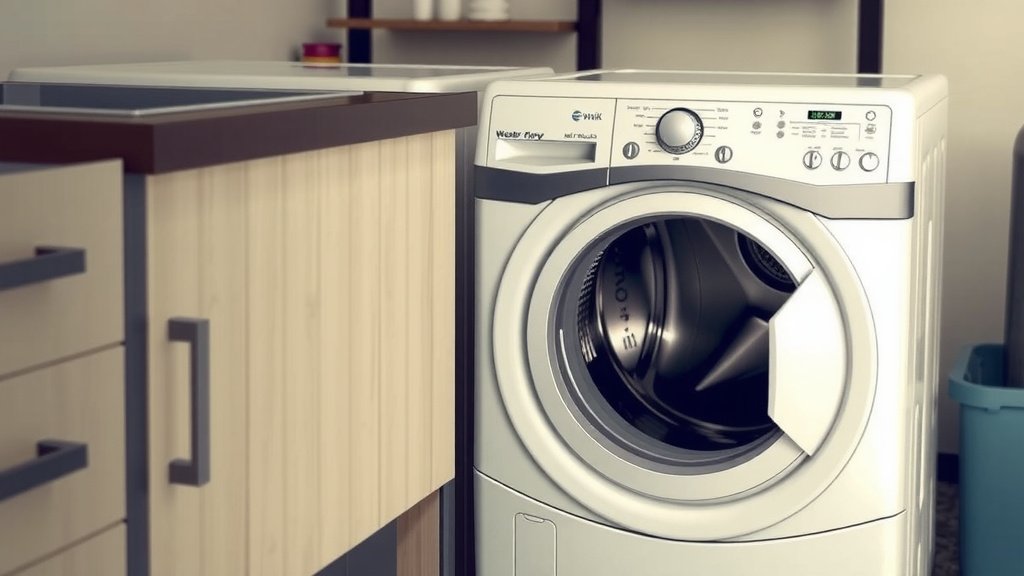
Fast forward to today, and washer dryer combos are a far cry from their ancestors. They are designed with the modern household in mind. Space-saving is still a major draw, but performance and features have also dramatically improved. You get a lot of bang for your buck in a single unit.
Key Features and Benefits
Today’s combos offer a wide range of wash cycles. They also come with various drying options. Many models are energy-efficient, often earning ENERGY STAR certifications. You can find units with steam functions, sanitizing cycles, and even Wi-Fi connectivity. These allow you to control your laundry remotely. How neat is that?
The drying technology has also seen major upgrades. While earlier models might have relied on simple heat, modern combos use sensors to determine when clothes are dry. This prevents over-drying and saves energy. Plus, they’re much quieter than older models. You won’t even know they’re running sometimes!
Who Benefits Most?
Washer dryer combos are perfect for a few specific situations. They are ideal for apartments, condos, and small homes where space is limited. If you live in an RV or a tiny house, a combo is likely your best bet. They are also a great option for secondary laundry rooms or vacation properties. Anyone looking to simplify their laundry setup can benefit.
A Quick Checklist for Modern Combos:
- Energy Star certified for efficiency.
- Quiet operation for peaceful living.
- Sensor drying to prevent damage.
- Multiple wash and dry cycles.
- Compact design for small spaces.
- Smart features for remote control.
It’s clear that these appliances have come a long way. From those clunky 19th-century experiments to the smart, efficient machines of today, washer dryer combos have a rich history. They continue to offer a practical and convenient laundry solution for many.
Conclusion
You’ve learned that washer dryer combos have a surprisingly long history, with roots tracing back to the late 1800s. What started as bulky, mechanical experiments has transformed into the sleek, efficient units we use today. Modern combos offer incredible convenience and space-saving solutions for many homes. Considering your laundry needs and living space? You now have a clearer picture of how far these all-in-one appliances have come. Start researching current models to find the perfect fit for your home.
Frequently Asked Questions
Are washer dryer combos a new invention?
No, washer dryer combos are not a new invention. Our research found that the concept dates back to the late 19th century. Early inventors were already working on combining washing and drying functions into a single machine, though these early versions were quite different from today’s models.
When was the first washer dryer combo invented?
The very first prototypes of machines that combined washing and drying functions appeared in the late 1800s. While these early attempts were rudimentary and often cumbersome, they marked the beginning of integrated laundry solutions.
How have washer dryer combos changed over time?
Over the decades, washer dryer combos have evolved dramatically. Early models were bulky and inefficient, often requiring manual intervention. Modern units are much more compact, energy-efficient, and feature advanced electronic controls, sensor drying, and multiple cycle options.
Were early washer dryer combos efficient?
Early washer dryer combos were generally not very efficient by today’s standards. They were often large, used considerable amounts of water and energy, and their drying capabilities could be limited. Technological advancements throughout the 20th century have greatly improved their performance and resourcefulness.
Why did it take so long for washer dryer combos to become popular?
The development of washer dryer combos was a gradual process. Early technology limitations meant machines were inefficient and unreliable. It took many decades of refinement, particularly in the latter half of the 20th century with advancements in electronics and engineering, for these units to become the convenient and effective appliances they are today.
![7 Best Price Washer [In 2026]](https://homeunderstandable.com/wp-content/uploads/2026/09/7-best-price-washer-in-2026-featured-768x432.jpg)
![7 Best Washing Machines For Small Spaces [In 2026]](https://homeunderstandable.com/wp-content/uploads/2026/08/7-best-washing-machines-for-small-spaces-in-2026-featured-768x432.jpg)