
How Long to Keep Air Purifier On for Clean Air
You should keep your air purifier on continuously, especially when air quality is poor or you have specific concerns like allergies or pets. Running it 24/7 ensures it’s always working to remove harmful particles from your home’s air. Many experts agree that constant operation is the most effective way to maintain cleaner indoor air.
While running it all the time is generally best, there are times when you might adjust the settings. For instance, you might use a higher setting during cooking or when guests are over. Understanding how your air purifier works can help you optimize its use for your specific needs. Many units are designed for energy efficiency, so continuous use doesn’t always mean a huge energy bill.
- Run your air purifier 24/7 for best results.
- Continuous operation is key for allergies and pets.
- Adjust settings based on air quality and activity.
- Modern units are often energy-efficient.
Let’s dive into the details of when and how long you should be running your air purifier to get the most benefit.
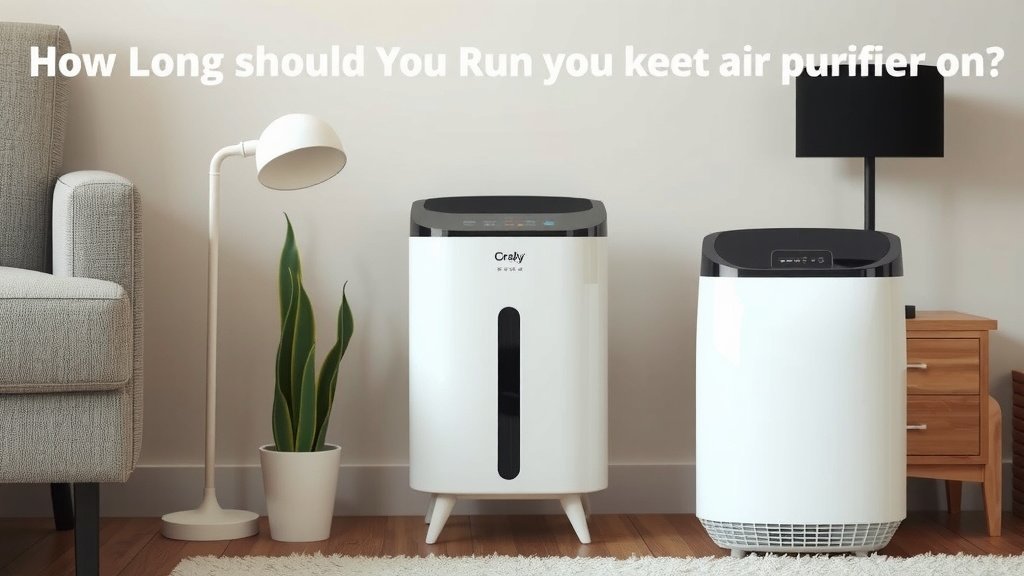
“`htmlHow Long Should You Run Your Air Purifier?
So, you’ve got this new air purifier, and you’re wondering, “Do I need to run this thing 24/7, or can I just switch it on when I remember?” That’s a great question, and the short answer is: yes, running it continuously is generally your best bet.
Think of your air purifier like a diligent housekeeper for your air. If they only worked a few hours a day, your house would probably get dusty again pretty quickly, right? It’s the same with air purification. For your home to have consistently cleaner air, your purifier needs to be on the job.
Understanding Continuous Operation Benefits
Why is constant operation so important? Well, indoor air can get polluted from many sources. These pollutants don’t just hang around when you’re not actively causing them. They linger.
Battling Lingering Pollutants
Even when you’re not cooking, walking around, or letting your dog do its thing, there are always microscopic particles floating around. Dust, dander, and even volatile organic compounds (VOCs) from furniture or cleaning products can stay in your air for hours.
Running your air purifier all the time helps catch these particles as they circulate. This is especially true for very fine particles that can easily get deep into your lungs.
Allergies and Asthma Relief
If you or someone in your household deals with allergies or asthma, continuous operation becomes even more critical. Allergens like pollen, pet dander, and dust mites don’t take breaks.
By running your purifier 24/7, you’re constantly reducing the levels of these triggers in the air. This can lead to fewer symptoms and more comfortable breathing for those affected. Many allergy and asthma foundations recommend constant use for this reason.
Pet Owners’ Best Friend
Love your furry friends but not their shedding? Air purifiers are a game-changer. Pet dander is a common allergen, and it’s lightweight, so it floats around your home easily.
A purifier running non-stop will continuously filter out this dander, along with pet odors. It helps create a more pleasant living environment for everyone, even those who are sensitive to pet allergens.
When to Crank Up the Power (Literally!)
While continuous use is the goal, it doesn’t mean your purifier has to be on its highest setting all the time. Many units have adjustable fan speeds. This is where you can get smart about optimizing your air quality and energy use.
Peak Pollution Times
Certain activities can temporarily spike indoor air pollution. Think about when you’re cooking, especially when frying or searing. That’s when you get a lot of smoke and fine particles released into the air.
During these times, it’s a good idea to increase the fan speed on your air purifier. This allows it to capture those sudden bursts of pollutants more effectively before they spread too far. After the cooking is done, you can usually turn it back down.
When Guests Are Over
Having friends or family visit? That’s wonderful! But more people in your home means more breath, more potential for outdoor allergens brought in on clothing, and maybe even new pet dander if they bring a furry companion.
It’s a good practice to boost your purifier’s fan speed when guests are present. This helps maintain a cleaner, more comfortable atmosphere for everyone. You might even want to run it on a higher setting for a bit before they arrive.
Energy Efficiency Considerations
A common concern is whether running an air purifier 24/7 will lead to a sky-high electricity bill. The good news is that most modern air purifiers are designed with energy efficiency in mind.
Modern Technology is Smart
Manufacturers know that people want clean air without breaking the bank. Many units use highly efficient motors and have smart features like auto modes. These modes adjust the fan speed based on the detected air quality.
You might be surprised to find that running an energy-efficient air purifier constantly costs less than you think. Some models use as little electricity as a standard LED light bulb on their lower settings. We found that many units use less than 50 watts on average.
The Cost of Inaction
Consider the alternative. If you only run your purifier sporadically, you might end up dealing with more health issues related to poor air quality. Allergy medications, doctor’s visits, or even lost productivity due to discomfort can add up.
In the long run, consistent air purification might actually save you money by preventing these health-related expenses. It’s an investment in your family’s well-being.
Optimizing Your Air Purifier Schedule
So, how do you put all this into practice? Here’s a simple guide to help you figure out the best schedule for your needs.
Daily Operation Checklist
- Always run your air purifier on a low to medium setting when you are home.
- Increase the fan speed when cooking, cleaning, or if you notice odors.
- Boost the speed when you have guests over.
- Consider running it on a higher setting overnight if you have respiratory issues.
- Turn it to its highest setting if you’re using strong chemicals or painting indoors.
- Remember to check and clean/replace filters as per the manufacturer’s instructions.
Understanding Your Unit’s Features
Take a look at your air purifier’s manual. Does it have an auto mode? A timer function? A sleep mode?
Auto mode is fantastic because it monitors air quality and adjusts the fan speed automatically. A timer can be useful if you only want to run it for specific periods, though continuous use is generally preferred. Sleep mode often runs the fan at a lower, quieter speed, perfect for nighttime use.
When You Might Consider Turning It Off (Briefly!)
Are there ever times you *shouldn’t* run it? In most scenarios, no. However, if you’re away from home for an extended period, like a vacation, you might choose to turn it off to save energy. Some people also turn them off when they’re doing major renovations that create a lot of dust, as the filters could get overwhelmed very quickly.
But for day-to-day living, keeping it running is the key to consistently cleaner air. It’s about maintaining a healthy environment for you and your loved ones.
“`Conclusion
Keeping your air purifier running continuously is the most effective way to maintain cleaner indoor air. This constant operation helps capture lingering pollutants, allergens, and pet dander, providing relief for allergy sufferers and pet owners alike. While continuous use is ideal, you can adjust fan speeds during peak pollution times or when guests visit. Modern units are designed for energy efficiency, making 24/7 operation a cost-effective investment in your health. Ready to breathe easier? Make sure your air purifier is running consistently and adjust settings as needed for your home environment.
Frequently Asked Questions
Can I turn off my air purifier at night?
While you can turn off your air purifier at night, continuous operation is generally recommended, especially if you have allergies or asthma. Many units have a quiet sleep mode that’s perfect for nighttime use, ensuring you still benefit from cleaner air without disruptive noise.
Will running my air purifier 24/7 increase my electricity bill a lot?
Most modern air purifiers are designed to be energy efficient. They often use as little electricity as a small appliance or LED light bulb on lower settings. The cost savings from improved health due to cleaner air can often outweigh the slight increase in your energy bill.
How often should I change the filters in my air purifier if I run it all the time?
Filter replacement frequency depends on the specific model and your home’s air quality. Most manufacturers recommend checking or replacing filters every 6 to 12 months for continuous use. Always refer to your air purifier’s manual for exact guidelines.
Is it okay to run my air purifier on a lower setting most of the time?
Yes, running your air purifier on a lower setting is perfectly fine for continuous operation, especially when air quality is generally good. You can always increase the fan speed during specific activities like cooking or when you notice odors for extra purification power.
What if I go on vacation for a week – should I leave my air purifier on?
If you’re away for an extended period like a vacation, you might consider turning off your air purifier to save energy. However, if you have severe allergies or pets that will remain home, leaving it on a low setting could still be beneficial for maintaining air quality.
![What Is The Best Air Purifiers for the Home [In 2026]](https://homeunderstandable.com/wp-content/uploads/2025/06/best-air-purifiers-for-the-home-clean-air-solutions-for-large-rooms-1-768x512.jpg)
![5 Best Air Purifier for Open Floor Plan [In 2026]](https://homeunderstandable.com/wp-content/uploads/2025/05/best-air-purifier-for-open-floor-plan-top-picks-for-large-spaces-768x384.jpg)

![What Is The Best Air Purifier for Pets and Dust [In 2026]](https://homeunderstandable.com/wp-content/uploads/2025/06/best-air-purifier-for-pets-and-dust.jpg)