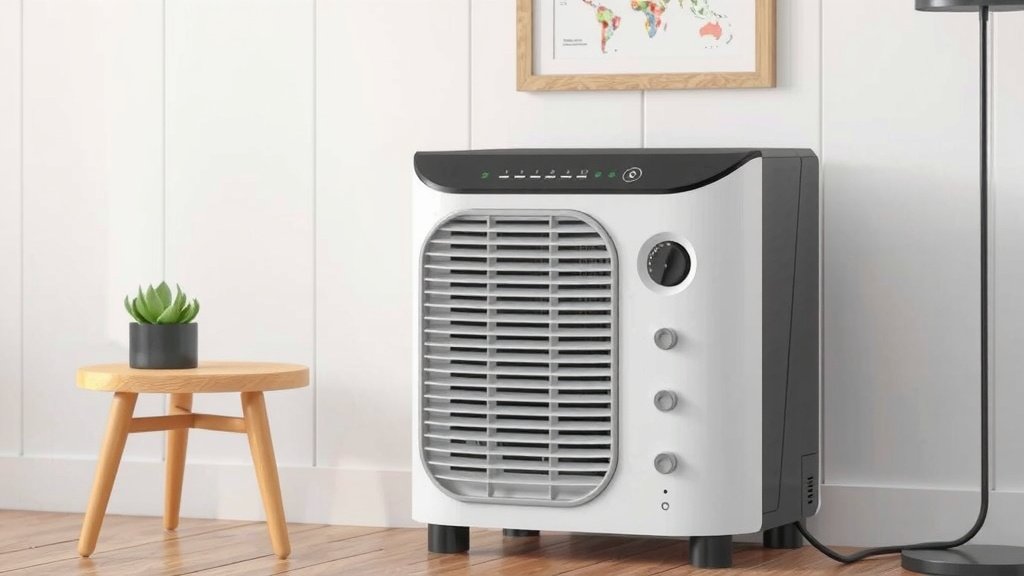
How Long Should You Run Your Air Purifier
You’re probably wondering, “How long should my air purifier run?” Great question! For the best results, you should aim to run your air purifier continuously, 24/7. This ensures you’re always breathing cleaner air, especially when pollutant levels are high. Think of it as a constant shield against allergens and irritants.
Leaving your air purifier on all the time helps maintain a consistent level of air quality in your home. This is particularly important for those with allergies or asthma. Many experts agree that consistent operation provides the most effective air cleaning. It’s about creating a healthier environment day in and day out.
- Run your air purifier all day, every day.
- This keeps your air consistently clean.
- It’s especially helpful for allergy sufferers.
- Don’t forget to change the filters regularly.
- Check your unit’s manual for specific recommendations.
Let’s break down why continuous operation is often recommended and what factors might influence your decision. We’ll cover everything you need to know to get the most out of your air purifier.
Running Your Air Purifier: How Long Is Best?
So, you’ve got your air purifier, and you’re ready for cleaner air. The big question is: how long should it actually be running? For the most effective air cleaning, experts generally recommend running your air purifier continuously, 24/7. This isn’t just a suggestion; it’s about maintaining a consistent shield against the airborne particles that can affect your health and comfort. Think of it like running your refrigerator – it’s designed to work non-stop to keep things fresh and safe. Your air purifier does the same for your air.
The Case for Continuous Air Purification
Why all-day operation? Because air pollution doesn’t take breaks. Dust, pollen, pet dander, and other microscopic irritants are constantly being generated or drifting into your home. Running your air purifier all the time ensures that these particles are captured as soon as they enter the air, or as soon as they are stirred up. This is especially important for those who suffer from allergies, asthma, or other respiratory sensitivities. Consistent purification helps create a stable environment, reducing the chances of sudden flare-ups triggered by airborne allergens (American Lung Association).
Many air quality professionals agree that continuous use provides the most benefit. It’s not about quick fixes; it’s about building a healthier breathing space over time. When you turn your purifier off, the air quality can start to degrade again. This cycle can be problematic for sensitive individuals. Leaving it on means your air is always being monitored and cleaned, offering peace of mind.
Understanding Air Changes Per Hour (ACH)
You might see a rating called “Air Changes Per Hour” or ACH on your air purifier. This tells you how many times the unit can filter and recirculate all the air in a room within one hour. A higher ACH means the air is being cleaned more frequently.
What ACH Means for Run Time
If your goal is to achieve a specific number of air changes, running the unit continuously is the most straightforward way to get there. For instance, if a purifier has an ACH of 4 in a given room, it means it cleans the entire volume of air four times every hour. To achieve this consistently, it needs to be running constantly. For those dealing with significant air quality concerns, aiming for a higher ACH and continuous operation is often advised.
Factors Influencing Your Air Purifier’s Run Time
While 24/7 is the general recommendation, there are a few things that might adjust how you use your air purifier. Your specific needs and environment play a big role. It’s not a one-size-fits-all situation. Let’s look at what might sway your decision.
Your Home Environment and Air Quality
Consider the general air quality in your area. Do you live near a busy highway with a lot of traffic pollution? Is wildfire smoke a common problem during certain seasons? If your outdoor air quality is frequently poor, bringing that pollution inside means you’ll likely want your purifier running much more often, if not constantly. Similarly, if you have lots of windows and doors open regularly, you’re inviting more outdoor particles inside. In these cases, constant purification is your best bet.
Household Members and Their Needs
Do you have family members with allergies, asthma, or other respiratory conditions? For them, consistent air quality is not just a comfort; it’s a health necessity. Studies have shown that continuous air filtration can significantly reduce allergy and asthma symptoms (National Institutes of Health).
Even if no one has a diagnosed condition, you might notice a difference. Perhaps you have pets that shed a lot, or you live in a home with older carpeting that tends to trap dust. Running your purifier whenever people are home, and ideally continuously, will help manage these sources of airborne irritants.
Specific Situations and Temporary Needs
There are times when you might want to run your air purifier on a higher setting or for extended periods. For example, after cooking strong-smelling foods, painting, or using strong cleaning products, you’ll want to clear those fumes quickly. Similarly, if you’re having guests who have allergies, running the purifier in the main living areas beforehand can help create a more comfortable environment for them. These are instances where you might prioritize maximum purification for a set duration.
When You Might Reduce Run Time (With Caution)
While continuous operation is ideal, some people consider turning their air purifier off at certain times to save energy. This is generally not recommended if air quality is a primary concern. However, if energy savings are a major consideration and air quality is not a severe issue, you might strategically reduce run time. This could involve running it only when you are home and awake, or perhaps during specific hours of the day when pollution levels are typically higher.
We found that many users choose to run their units only when they’re home to conserve energy. If you decide to do this, ensure you’re still getting sufficient filtration. You might need a higher fan speed when you are home to compensate for the periods it’s off. Always prioritize the air quality needs of your household. If you have any doubts, it’s best to err on the side of caution and run it more often than less.
Energy Consumption Considerations
Modern air purifiers are designed to be quite energy-efficient. They typically use less electricity than older appliances. The cost of running an air purifier 24/7 is often less than you might think. You can usually find the wattage listed on the unit or in its manual. Calculating the daily cost can help you make an informed decision.
For example, if your purifier uses 50 watts and electricity costs $0.15 per kilowatt-hour, running it 24 hours a day would cost about $0.18 per day. That’s roughly $5.40 per month. For the significant health benefits of consistently clean air, this is often a small price to pay.
Your Air Purifier Usage Checklist
To make sure you’re getting the most from your air purifier, keep these points in mind:
- Run it continuously if possible for the best air quality.
- Adjust fan speed based on immediate needs (e.g., higher after cooking).
- Consider the needs of allergy and asthma sufferers in your home.
- Monitor your local air quality reports and adjust usage if needed.
- Always replace filters according to the manufacturer’s recommendations.
- Check your unit’s manual for specific performance guidelines.
Conclusion
To get the most benefit from your air purifier, continuous operation is your best bet. Running it 24/7 helps maintain a steady shield against allergens, dust, and other irritants. This consistent cleaning is especially important for those with allergies or asthma, creating a healthier home environment day after day. While specific needs might cause you to adjust fan speed or usage slightly, the goal is always clean air. Your next step should be to check your air purifier’s manual for any specific filter replacement schedules and performance guidelines to ensure it runs at its best.
Frequently Asked Questions
Can I run my air purifier only when I’m home?
You can, but it’s not ideal for maintaining consistent air quality. If you choose to only run it when you’re home, consider using a higher fan setting when you are present to compensate for the times it’s off. This will help clear out any pollutants that accumulated while it was inactive.
Will running my air purifier all the time use too much electricity?
Modern air purifiers are surprisingly energy-efficient. Many use less electricity than you might think, often comparable to a small appliance. The cost to run one 24/7 is typically quite low, making the health benefits of continuous clean air often worth the minimal energy expense.
How often should I change the filters on my air purifier?
Filter replacement frequency depends on your specific model and how often you run the unit. Most manufacturers recommend changing filters every 6 to 12 months. Always consult your air purifier’s manual for the exact recommended schedule for your unit.
Should I run my air purifier on a high setting all the time?
Running your air purifier on a higher setting generally cleans the air faster but can be louder and use more energy. For continuous, day-to-day use, a medium or automatic setting is often sufficient. You might use a higher setting for temporary needs, like after cooking or when guests with allergies are visiting.
Does running an air purifier help with odors?
Yes, many air purifiers, especially those with activated carbon filters, are effective at reducing common household odors. These filters help capture and neutralize odor-causing molecules. Continuous operation will help keep your home smelling fresher by constantly filtering out these scent particles.