How Many Air Purifiers Do You Need Per House
Generally, you’ll need one air purifier per room you spend a lot of time in, especially bedrooms and living areas. The size of the room and the purifier’s CADR rating are the most important factors. It’s not a one-size-fits-all situation, but this is a great starting point for cleaner air in your home.
Figuring out how many air purifiers your house needs involves a bit more than just counting rooms. We found that understanding air changes per hour (ACH) and your specific air quality concerns, like allergies or pet dander, helps you make the best choice. It’s about creating healthy air zones where you need them most.
- You generally need one air purifier per main room.
- Consider room size and the purifier’s cleaning power.
- Allergies or pets might mean more purifiers are needed.
- Think about air changes per hour (ACH) for optimal performance.
- Placement matters: focus on bedrooms and living spaces.
Let’s break down what really matters when deciding how many air purifiers will make your home feel fresh and healthy.
How Many Air Purifiers Does Your Home Really Need?
Figuring out the right number of air purifiers for your house isn’t a simple one-size-fits-all answer. It really depends on your specific needs and the layout of your home. Think of it like buying shoes; you wouldn’t buy the same size for everyone, right? The same goes for air purification. We’ve found that focusing on key factors helps you make the best choice for cleaner, fresher air throughout your living space.
Understanding Your Home’s Air Quality Needs
What’s Your Primary Concern?
Before you start counting rooms, ask yourself: what are you trying to solve? Are you battling seasonal allergies? Do you have pets that leave fur and dander everywhere? Or maybe someone in your household has asthma or other respiratory issues? Knowing your main concern helps you decide where to focus your purification efforts first. For instance, if allergies are your main issue, you’ll want purifiers in the rooms where you spend the most time, like the bedroom and living room.
Room Size Matters a Lot
This is perhaps the most critical factor. An air purifier designed for a small bedroom won’t do much in a large open-concept living area. Every air purifier has a specified room coverage area, often measured in square feet. Make sure the purifier you choose is rated for the size of the room you intend to use it in. Going for an underpowered unit is like trying to fill a swimming pool with a teacup – it just won’t be effective.
The Magic Number: Air Changes Per Hour (ACH)
You might hear about something called Air Changes Per Hour, or ACH. This tells you how many times an air purifier can cycle and clean the air in a room within one hour. For general air cleaning, an ACH of 2 is usually sufficient. This means the purifier can clean all the air in the room twice every hour. However, if you have significant allergies or health concerns, aiming for an ACH of 4 or even 5 is often recommended by air quality experts (Cleveland Clinic). This higher rate ensures more frequent filtration of airborne particles.
Calculating Your Air Purifier Needs by Room
Your Bedroom: A Priority Zone
Your bedroom is a prime spot for an air purifier. You spend a significant amount of time here, often with the door closed, allowing pollutants to build up. It’s where you rest and recover, so breathing clean air is especially important. We recommend placing a HEPA air purifier specifically sized for your bedroom’s square footage. This will help remove allergens like dust mites, pollen, and pet dander that can disrupt your sleep. Many people find they sleep better and wake up feeling more refreshed with a purifier running.
Living Areas: Where You Live and Breathe
Your living room, family room, or any main gathering space is another essential area. This is where you and your family spend a lot of time together. If you have pets that roam freely, or if you live in an area with higher outdoor pollution, a purifier here is a smart move. Again, ensure the unit’s capacity matches the room’s size. For larger, open-plan spaces, you might even consider a more powerful unit or strategically place two smaller ones to cover the area effectively.
Other Areas to Consider
Beyond the bedroom and living room, think about other spaces where you or your family spend considerable time. This could include a home office where you work for hours, a nursery for a baby, or even a basement den. If someone in the house has a chronic respiratory condition, placing purifiers in multiple rooms can offer consistent relief. It’s about creating healthy air zones where they’re needed most.
Understanding Air Purifier Ratings for Smart Choices
The Importance of CADR
When you look at air purifiers, you’ll often see something called CADR, which stands for Clean Air Delivery Rate. This rating measures how effectively and quickly an air purifier can remove specific particles from the air, like smoke, dust, and pollen. A higher CADR means faster cleaning. For example, a smoke CADR of 200 means the purifier can remove 200 cubic feet of smoke per minute. It’s a key indicator of a unit’s performance. Always match the CADR to your room size for the best results.
HEPA Filters: The Gold Standard
Most effective air purifiers use HEPA (High-Efficiency Particulate Air) filters. True HEPA filters are designed to capture at least 99.97% of airborne particles that are 0.3 microns in size. This includes common allergens, mold spores, bacteria, and even some viruses. If your goal is to reduce allergens or improve air quality for health reasons, always look for a unit with a true HEPA filter. Some purifiers also include activated carbon filters to help with odors and VOCs (Volatile Organic Compounds), which can be useful if you’re concerned about smells from cooking or household cleaners.
| Room Size (Sq. Ft.) | Recommended CADR (Smoke) | Typical Number of Purifiers |
|---|---|---|
| Up to 150 | 50-100 | 1 (for small bedroom) |
| 150 – 350 | 100-150 | 1 (for standard bedroom/office) |
| 350 – 500 | 150-250 | 1 (for medium living room) |
| 500 – 1000+ | 250+ | 1 large unit or 2 smaller units |
Smart Placement for Maximum Impact
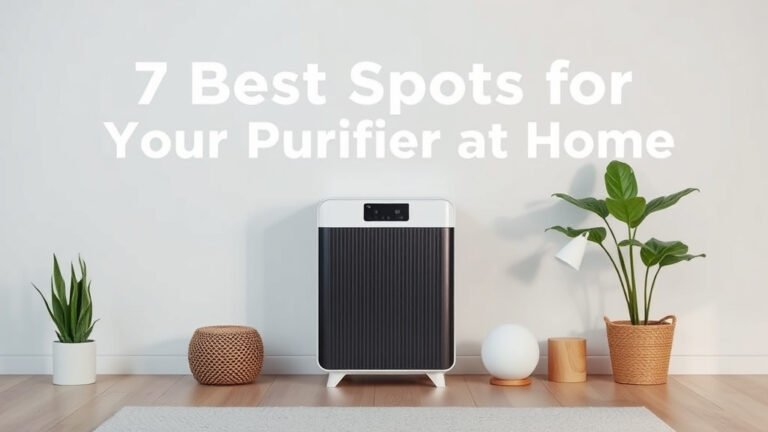
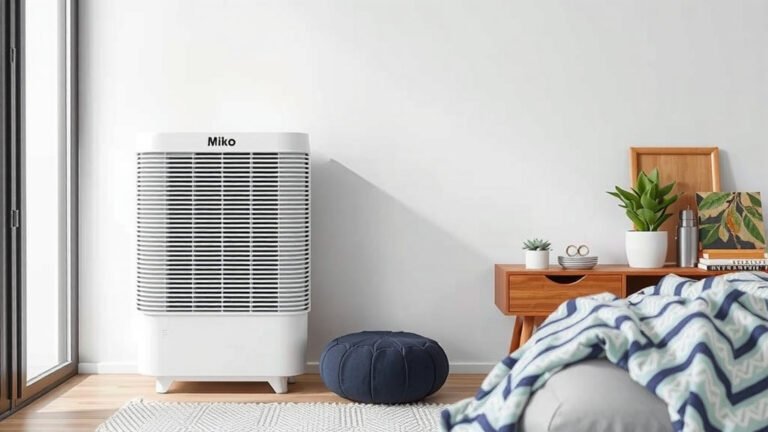
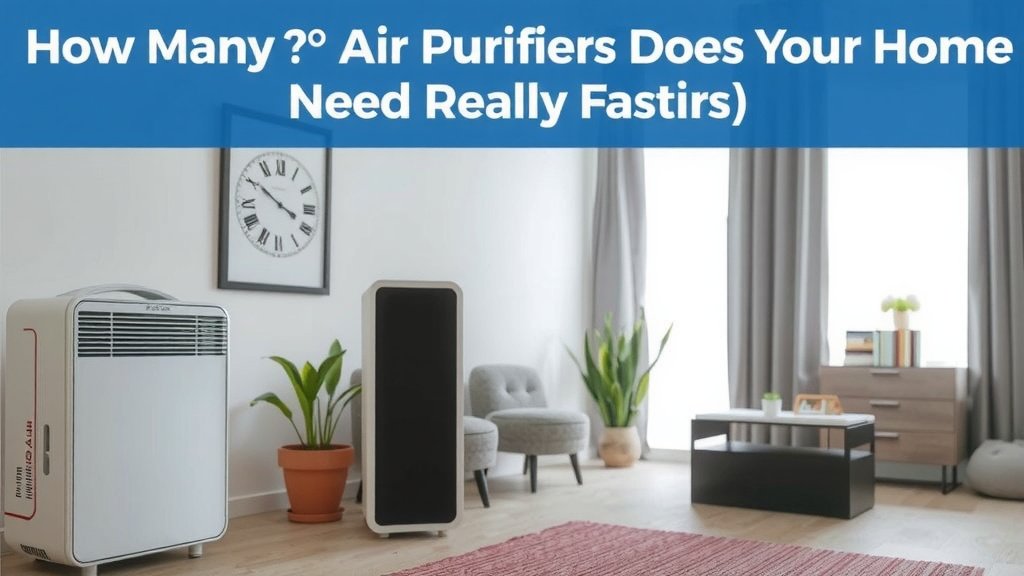
Where you put your air purifier makes a difference. Avoid placing it directly against a wall or furniture, as this can obstruct airflow. Give it at least a foot or two of clearance on all sides. You want the air to be able to circulate freely into the unit and then be dispersed back into the room. Think of it as giving your air purifier room to breathe!
Putting it All Together: Your Air Purification Checklist
- Assess your main air quality concerns (allergies, pets, odors, etc.).
- Measure the square footage of each room where you want cleaner air.
- Check the CADR and room coverage of potential air purifiers.
- Prioritize bedrooms and main living areas for purifier placement.
- Consider units with True HEPA filters for maximum particle capture.
- Ensure proper clearance around the purifier for optimal airflow.
By considering these factors, you can create a personalized strategy for air purification that will genuinely improve the air you breathe every day. It’s about making smart choices for a healthier home environment.
Conclusion
Deciding how many air purifiers your home needs is more about smart strategy than simple math. We’ve learned that your primary concerns, like allergies or pet dander, and the size of your rooms are your best guides. Always check the CADR rating and look for True HEPA filters to ensure effective cleaning. You generally want one well-sized purifier for each main room you use frequently. Your next step is to measure your key rooms and compare them against purifier specifications to find the perfect fit for your space.
Frequently Asked Questions
Can one air purifier clean my whole house?
Generally, one air purifier is not enough to clean an entire house, especially larger homes. Air purifiers are designed for specific room sizes, and their effectiveness decreases significantly in larger, open-concept areas. For comprehensive air cleaning, you’ll likely need multiple units placed strategically in different rooms.
Do I need an air purifier in every room?
You don’t necessarily need an air purifier in every single room. Focus your efforts on the spaces where you spend the most time, such as bedrooms, living rooms, and home offices. Rooms that are used less frequently may not require dedicated purification, especially if they have good natural ventilation.
How do I know if an air purifier is powerful enough for my room?
You’ll know if an air purifier is powerful enough by checking its room coverage rating, usually listed in square feet. Also, consider the CADR (Clean Air Delivery Rate); a higher CADR means it cleans the air faster. For allergies or respiratory issues, aim for a unit that can achieve at least 4-5 Air Changes Per Hour (ACH) for that room size.
What’s the difference between one large purifier and multiple smaller ones?
One large air purifier might cover a very big open space, but multiple smaller units offer more flexibility. You can place smaller purifiers in different rooms or zones where they are most needed, ensuring targeted air cleaning. For very large or multi-level homes, a combination of larger central units and smaller room-specific units can be most effective.
Should I move my air purifier from room to room?
While you can move an air purifier from room to room, it’s less effective than having dedicated units. Moving a purifier means only one space gets cleaned at a time, and pollutants can build up elsewhere. For consistent clean air, especially in high-traffic areas like bedrooms, keeping purifiers in place is the best approach.