
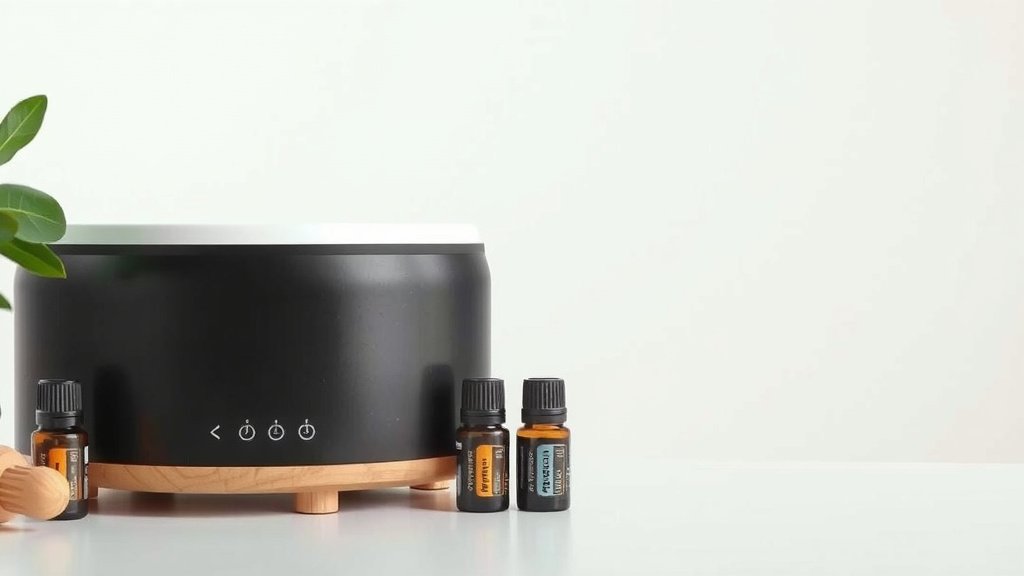
Essential Oil Drops for Air Purifier: How Many?
So, you’re wondering how many drops of essential oil to put in your air purifier? Generally, less is more. Most experts recommend starting with just 2-3 drops per use, if your air purifier even supports adding oils at all. Many models aren’t designed for this, and putting too much oil can actually damage the unit or the filter.
Before you start adding your favorite scents, it’s really important to check your air purifier’s manual. Some are built to handle a few drops, while others can be damaged by the oils. Using the wrong amount or the wrong type of oil can affect your filter’s lifespan and potentially your purifier’s performance. Let’s make sure you get the best results!
- Always check your air purifier’s manual first.
- Start with only 2-3 drops of essential oil.
- Using too much oil can damage your purifier.
- Some air purifiers are not designed for essential oils.
- Consider a separate diffuser for a stronger scent.
We’ve found the details on how to safely add essential oils to your air purifier, or when to avoid it altogether. Let’s walk through exactly what you need to know.
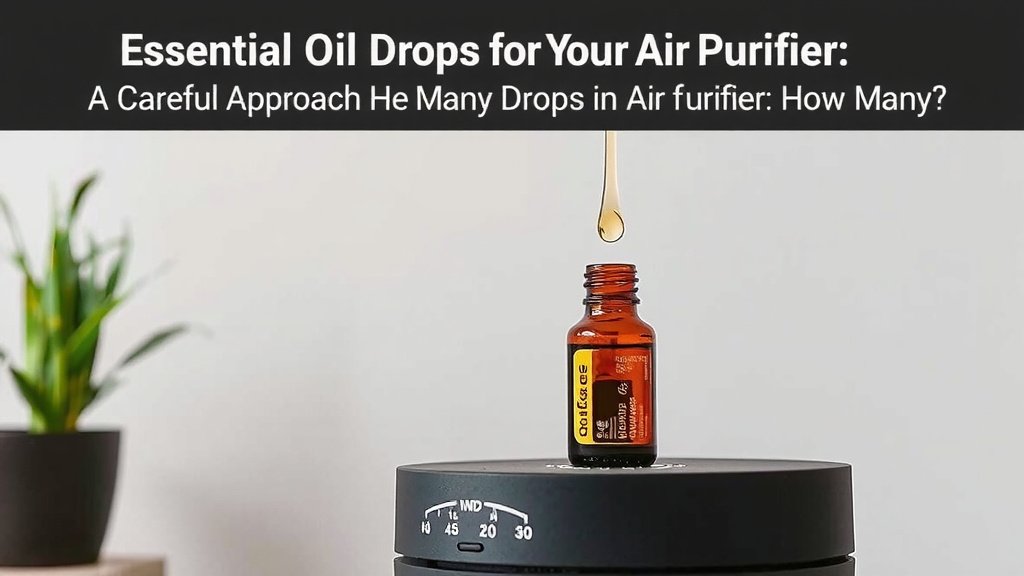
Adding Essential Oils to Your Air Purifier: A Careful Approach
You’re curious about adding essential oils to your air purifier. It’s a popular idea to combine air purification with aromatherapy. However, it’s not as simple as just adding a few drops. We found that many air purifiers are not designed for essential oils. Using them incorrectly can lead to problems.
Understanding Your Air Purifier’s Capabilities
The first and most important step is to consult your air purifier’s user manual. This document holds the key to whether your specific model can handle essential oils. Some units have a dedicated tray or pad for oils. Others are not built for this at all. If your manual is silent on the matter, assume it’s not supported. Attempting to add oils to a non-compatible unit could void your warranty.
Dedicated Oil Trays vs. General Use
Many air purifiers designed for essential oils feature a small compartment. This might be a felt pad or a small dish. This is where you’d place your drops. This design keeps the oils away from the main filtration system. It allows the fan to disperse the scent effectively. If your purifier lacks such a feature, it’s likely not meant for oils.
The Risk of Damaging Filters
Essential oils are concentrated. They can be oily. When they come into contact with standard air filters, especially HEPA filters, they can clog the delicate pores. This reduces the filter’s effectiveness at capturing airborne particles like dust and allergens. Over time, this can shorten the filter’s lifespan, costing you money.
How Many Drops Are Really Needed?
If your air purifier is designed for essential oils, the amount is usually very small. We found that most recommendations hover around 2 to 5 drops. This is typically per use or per day, depending on the model and your preference. Start with the absolute minimum, like 2 drops. You can always add one more if the scent isn’t strong enough. It’s much easier to add oil than to remove it if you’ve used too much.
Starting Low and Slow
Think of it like seasoning food. You can always add more salt, but you can’t easily take it away. The same applies here. Begin with just 2 or 3 drops of your chosen essential oil. Run the air purifier for a short period. See how the scent disperses. If you desire a stronger aroma, you can add another drop or two. It’s about finding that sweet spot without overwhelming the air or the machine.
Considering the Oil’s Potency
Some essential oils are much more potent than others. For example, peppermint oil has a very strong scent. You might only need 1-2 drops of peppermint. Lavender or chamomile might require 3-4 drops for a similar effect. Research the specific oil you plan to use. Understand its intensity before you begin dropping it into your purifier. This careful consideration prevents overdoing it.
When to Avoid Essential Oils in Your Air Purifier
As we’ve mentioned, not all air purifiers are created equal. If your manual explicitly states no essential oils, or if it lacks a dedicated oil compartment, do not use them. The risks of damaging the unit or its filters are too high. Furthermore, if you have respiratory sensitivities, allergies, or are concerned about the health effects of essential oils, it might be best to skip this practice altogether. Always prioritize clean air over strong scents.
Health Considerations and Sensitivities
Essential oils, while natural, can still trigger reactions in some individuals. Symptoms can include headaches, nausea, or respiratory irritation. Children, the elderly, and individuals with asthma or other respiratory conditions may be more sensitive. Organizations like the American Lung Association advise caution. They suggest that even natural scents can irritate the lungs. If anyone in your household experiences adverse reactions, discontinue use immediately. Your family’s well-being is most important.
Alternative Ways to Enjoy Essential Oils
If your air purifier isn’t suitable for oils, or if you want a more robust scent experience, consider other options. A dedicated essential oil diffuser is the best alternative. These devices are specifically designed to disperse essential oils safely and effectively into the air. They often use ultrasonic vibrations or heat to create a fine mist. This allows for a more controlled and potent release of fragrance. Many offer timers and adjustable mist settings.
Choosing the Right Diffuser
Diffusers come in various types, from ultrasonic to nebulizing. Ultrasonic diffusers use water and vibrations to create a mist. They are common and relatively affordable. Nebulizing diffusers use only oil and pressurized air for a more concentrated scent. They tend to be more expensive but offer a stronger aroma. Selecting the right one depends on your desired scent intensity and budget. They are far more effective for true aromatherapy than a few drops in an air purifier.
A Simple Checklist for Safe Usage
To recap, here’s a quick guide to keep things safe and simple:
- Read your manual: Always check if your air purifier supports essential oils.
- Start small: Use only 2-3 drops initially.
- Use dedicated compartments: Only add oils where instructed.
- Monitor for reactions: Be aware of any health sensitivities.
- Consider a separate diffuser: For a better scent experience.
- Use pure oils: Ensure you’re using 100% pure essential oils, not fragrance oils.
Conclusion
Adding essential oils to your air purifier can enhance your home’s atmosphere, but it requires a cautious approach. We found that your air purifier’s manual is your best friend here. Always confirm if your model is designed for oils to avoid damage. If it is, start with just 2-3 drops and observe. Remember, most purifiers aren’t built for this, and overdoing it can harm your filter. For a richer aromatic experience, a dedicated diffuser might be a better choice.
Your next step is to check your air purifier’s manual thoroughly. If it supports oils, begin with the smallest amount recommended, and see how you like it. Prioritize the health of your machine and your family’s well-being.
Frequently Asked Questions
Can I put essential oils in any air purifier?
No, you should not put essential oils in just any air purifier. Many models are not designed for oils and can be damaged. Always consult your air purifier’s user manual to see if it explicitly supports essential oil use. If the manual is silent or states no oils, assume it’s not compatible.
What is the maximum number of essential oil drops I should use?
If your air purifier is designed for essential oils, the general recommendation is to start very low, often with 2-3 drops. Some might allow up to 5 drops, but it’s best to begin with the minimum and add more only if needed. Using too much oil can clog filters and damage the unit.
Will essential oils damage my air purifier’s filter?
Yes, essential oils can potentially damage your air purifier’s filter. The concentrated oils can clog the delicate pores of HEPA filters, reducing their ability to capture airborne particles. This can shorten the filter’s lifespan and decrease the purifier’s overall effectiveness.
What should I do if my air purifier doesn’t have an oil tray?
If your air purifier lacks a dedicated oil tray or compartment, you should not add essential oils to it. These units are not designed for oil diffusion, and adding oils directly could cause harm. Consider using a separate essential oil diffuser for aromatherapy instead.
Are there health risks associated with using essential oils in an air purifier?
Yes, there can be health risks. While natural, essential oils can trigger reactions in sensitive individuals, including headaches or respiratory irritation. Children, the elderly, and those with asthma may be particularly vulnerable. It’s wise to be aware of any sensitivities within your household before using oils this way.
![5 Best Home Air Purifier for Cigarette Smoke [In 2026]](https://homeunderstandable.com/wp-content/uploads/2025/05/best-home-air-purifier-for-cigarette-smoke-top-picks-for-fresh-air-768x512.jpg)