Air Compressor Weight Guide: How Much Does One Weigh
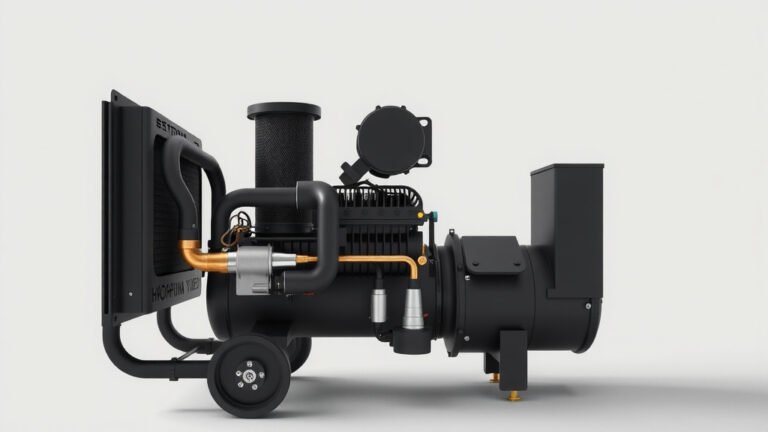
Wondering how much an air compressor weighs? You’re not alone! Air compressor weights can vary wildly, from tiny portable units under 20 pounds to massive industrial tanks weighing over 500 pounds. The size and type of compressor are the biggest factors. We’ll help you figure out what to expect.
When you’re looking for an air compressor, understanding its weight is key. It affects portability, installation, and even the type of job it’s suited for. We found that small pancake compressors are super light, while larger stationary units can be quite heavy. Consider your needs carefully before you buy.
- Air compressor weight depends heavily on its size and type.
- Portable compressors are generally much lighter than stationary ones.
- Tank size, horsepower, and materials all contribute to the overall weight.
- Plan for weight when considering storage and transport.
Let’s dive into the details and break down the weights you’ll likely encounter for different kinds of air compressors.
Understanding Air Compressor Weight Factors
You’re probably wondering, “Just how much does an air compressor weigh?” It’s a great question, and the answer really depends on the type and size of the unit. Think of it like buying a car; a small compact will weigh far less than a large SUV. We’ve found that weight is a primary indicator of a compressor’s power and intended use.
We’ll break down the typical weights you can expect for various air compressors. This will help you figure out what’s realistic for your needs. Keep in mind that weight often correlates directly with storage convenience and portability.
Portable Air Compressors: Light and Nimble
Portable air compressors are designed for mobility. They’re great for DIYers, roadside repairs, or small job sites. You can easily move these units around your garage or take them to different locations. Their lighter build is a major selling point for many users.
Pancake and Hot Dog Styles
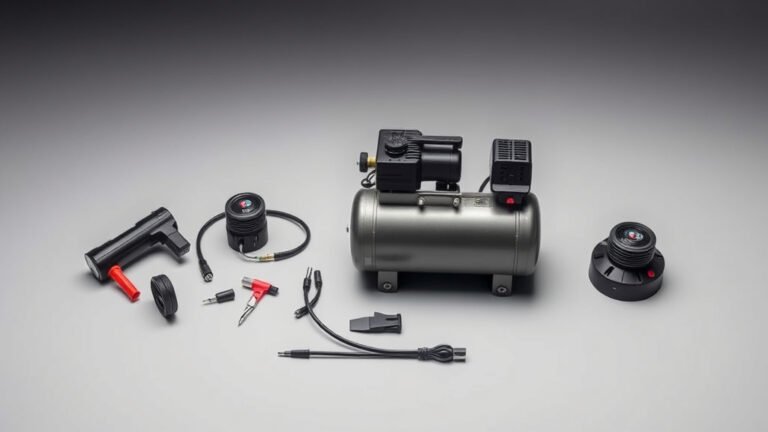
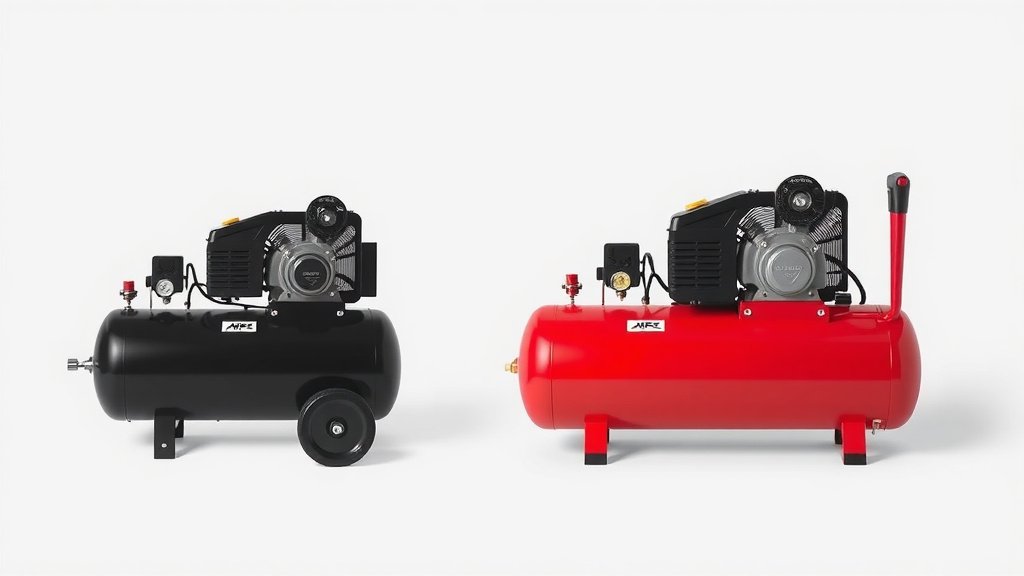
These are some of the smallest and lightest compressors available. Pancake compressors are often chosen for their compact, low profile. Hot dog compressors are taller but still very portable. We found that models in this category typically range from 20 to 50 pounds.
A typical 1-2 horsepower pancake compressor might weigh around 30-40 pounds. The exact weight depends on features like the tank size and motor. These are easy to lift with one hand, making them perfect for tasks like inflating tires or powering small air tools.
Twin-Stack and Smaller Wheelbarrow Styles
Moving up slightly in size, twin-stack compressors offer more power and air storage. Wheelbarrow-style compressors are also designed for portability, often with larger wheels and sturdy frames. These units tend to weigh between 50 and 100 pounds.
A twin-stack compressor with a larger tank might reach the higher end of this range. While still manageable for most adults, you might need a second person or a hand truck to move them comfortably. We found that their added weight often means a bigger tank and a more powerful motor.
Stationary Air Compressors: Built for Power and Stability
Stationary air compressors are built for demanding jobs. Think of auto repair shops, woodworking studios, or industrial settings. These units are not designed to be moved frequently, if at all. Their weight is a testament to their robust construction and higher capacity.
Small to Medium Stationary Units
Stationary compressors generally start where portable ones leave off. You’ll find units weighing anywhere from 100 to 300 pounds. These often have larger horsepower motors and bigger air tanks, providing more consistent air supply.
A common 5-horsepower stationary compressor might tip the scales at around 150-200 pounds. They usually come with a sturdy base, but moving them requires proper equipment like a forklift or a heavy-duty dolly. We found that their substantial weight contributes to their stability during operation.
Large Industrial and Two-Stage Compressors
For heavy-duty applications, industrial-grade compressors are necessary. These machines are built to run continuously and deliver massive amounts of air. Their weight can range from 300 pounds to well over 500 pounds.
A two-stage compressor, which compresses air in two steps for higher efficiency, is typically heavier. These units are often installed permanently. We found that their sheer mass is part of what makes them so effective at delivering consistent, high-pressure air for demanding tasks.
Factors Influencing Air Compressor Weight
Several components contribute to an air compressor’s overall weight. Understanding these can help you better estimate the weight of a unit you’re considering. It’s a bit like understanding what makes a backpack heavy.
Tank Size and Material
The air tank is often the bulkiest part of a compressor. Larger tanks mean more steel or aluminum, adding considerable weight. A 60-gallon tank will naturally weigh much more than a 2-gallon tank. We found that steel is a common, durable material that adds significant mass.
Motor and Horsepower
A more powerful motor means a heavier motor. Higher horsepower (HP) ratings usually indicate a larger, more robust motor. This is especially true for stationary compressors designed for continuous use. We found that the motor’s construction materials and size directly impact the unit’s total weight.
Pump Design and Construction
The pump is the heart of the air compressor. Single-stage pumps are simpler and lighter. Two-stage pumps, which are more efficient for higher pressures, involve more components and are generally heavier. The materials used in the pump assembly, like cast iron, also add to the weight. Many experts say cast iron pumps offer better durability (Industrial Equipment News).
Frame and Portability Features
Compressors designed for portability will have frames, handles, and wheels. While these add some weight, they are essential for moving the unit. Stationary compressors often have very basic, heavy frames designed for stability rather than ease of movement.
Weight Considerations for Your Needs
When you’re choosing an air compressor, think about how you’ll use it. Will you need to move it often? Do you have help available if it’s heavy? Planning for the weight upfront can save you a lot of hassle later.
Consider where you’ll store the compressor. A 200-pound unit isn’t ideal for a second-story closet! We found that transport is also a key factor. If you plan to take it to job sites, ensure you have a way to move it safely, perhaps with a small trailer or a sturdy dolly.
Quick Air Compressor Weight Checklist
Before you make a purchase, ask yourself these questions about weight:
- Will I need to move this compressor regularly?
- Do I have a way to safely transport it if needed?
- Can I lift or maneuver it on my own, or will I need assistance?
- Is there adequate space for its weight and size in my storage area?
- Does the weight align with the compressor’s intended power and tank capacity?
Conclusion
We’ve seen that air compressor weight can span a wide spectrum, from under 20 pounds for small portables to over 500 pounds for industrial giants. Your choice boils down to how you’ll use the compressor. Portable units offer convenience for on-the-go tasks, while stationary models provide the power for demanding, continuous jobs. Always consider the weight when planning for storage, transport, and installation. You now have a clear picture of what to expect.
Before you buy, measure your space, consider how you’ll move it, and choose a compressor that fits both your workspace and your workload. This planning ensures you get the right tool without any heavy surprises.
Frequently Asked Questions
How much does a small portable air compressor typically weigh?
Small portable air compressors, like pancake or hot dog styles, generally weigh between 20 and 50 pounds. These are easy to carry and suitable for tasks like inflating tires or running small air tools.
What is the average weight for a larger portable or small stationary compressor?
Compressors like twin-stack or small wheelbarrow styles, or entry-level stationary units, usually weigh between 50 and 150 pounds. You might need assistance to move these comfortably.
Are industrial air compressors very heavy?
Yes, industrial and two-stage air compressors are quite heavy. They often range from 300 pounds to well over 500 pounds due to their robust construction and larger capacity for heavy-duty work.
Does the air tank size affect the compressor’s weight?
Absolutely. The air tank is a major component that contributes to weight. Larger tanks, especially those made of steel, will significantly increase the overall weight of the compressor.
Why are some air compressors much heavier than others?
Weight differences come from several factors. Larger tanks, more powerful motors (higher horsepower), and more robust pump designs (like cast iron or two-stage pumps) all add considerable mass to the unit.