Air Purifier Effectiveness: How Much Do They Really Help
Yes, air purifiers can significantly help improve your indoor air quality. They work by filtering out common airborne pollutants like dust, pollen, pet dander, and smoke. This can lead to a noticeable difference in how fresh your home feels.
When you’re looking for cleaner air, an air purifier is a great tool. Many find they help reduce allergy symptoms and asthma triggers. We found that air purifiers can effectively capture even tiny particles that you can’t see. They are designed to capture a wide range of irritants.
- Air purifiers filter out common pollutants.
- They can help reduce allergy and asthma symptoms.
- Look for the right type for your room size.
- Maintenance like filter changes is important.
Let’s break down exactly how much of a difference an air purifier can make for your health and home comfort.
How Much Can an Air Purifier Actually Help Your Home?
You might be wondering, “Do air purifiers really make a difference?” The answer is a resounding yes, especially if you’re concerned about the air you breathe indoors. We found that these devices can tackle a surprising range of airborne particles that can affect your comfort and health.
Think of your home as a little ecosystem. While you can’t control what happens outside, you can control what circulates within your living space. Air purifiers are designed to be your home’s personal air filters, working hard to remove unwanted guests from your air.
What Pollutants Can Air Purifiers Tackle?
Air purifiers are like tiny superheroes for your air. They don’t just move air around; they actively remove various types of particles. We found that understanding what they can capture is key to appreciating their benefit.
Common Household Irritants
Many of us deal with everyday irritants like dust and pollen. These get tracked in from outside or are generated by everyday living. Air purifiers with HEPA filters are excellent at capturing these larger particles. They can make a big difference for allergy sufferers.
Then there’s pet dander. If you have furry friends, you know how much they shed. Dander is a common allergen. An air purifier can trap these tiny skin flakes, helping to reduce allergic reactions in your home. Many pet owners report a noticeable improvement in their symptoms.
Odor and Smoke Reduction
Lingering smells from cooking, pets, or even that forgotten gym bag can be unpleasant. Air purifiers equipped with activated carbon filters are specifically designed to absorb odors. They act like a sponge, trapping odor molecules instead of just masking them.
For those who deal with smoke, whether from wildfires or indoor activities, air purifiers can be incredibly helpful. They can capture smoke particles and the associated odors. We found that in areas affected by wildfire smoke, portable air purifiers are often recommended by health organizations to improve indoor air quality (CDC).
Microscopic Particles
What about the stuff you can’t see? This is where things get really interesting. Air purifiers with true HEPA filters are rated to capture at least 99.97% of airborne particles down to 0.3 microns in size. That’s incredibly small!
This includes things like mold spores, bacteria, and some viruses. While an air purifier isn’t a medical device for treating illness, reducing the concentration of these airborne microbes in your home can contribute to a healthier environment. Many experts suggest they can be a useful tool in managing indoor air quality, especially for those with respiratory sensitivities.
Impact on Allergy and Asthma Symptoms
If you or someone in your household struggles with allergies or asthma, an air purifier can be a game-changer. We found that removing common triggers from the air can lead to fewer symptoms.
Allergens like pollen, dust mites, and pet dander are frequent culprits behind sneezing, itchy eyes, and wheezing. By capturing these irritants, an air purifier can help create a more comfortable breathing environment. This can translate to better sleep and less reliance on medication for some individuals.
For asthma sufferers, airborne irritants can trigger attacks. Reducing exposure to these triggers can help manage the condition. Research has shown that improving indoor air quality can have a positive impact on asthma control (NIH). It’s about creating a sanctuary from airborne triggers.
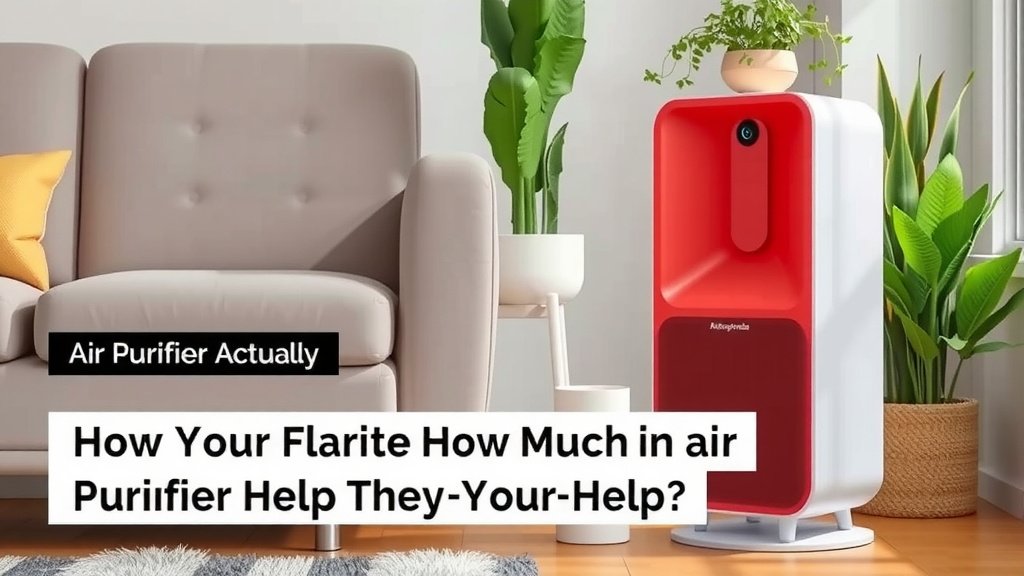
Choosing the Right Air Purifier for Your Needs
Not all air purifiers are created equal. To get the most benefit, you need to pick one that’s right for your space and your specific concerns. We found that understanding a few key features makes a big difference.
Room Size Matters
A small purifier in a large room won’t be very effective. Look for the Clean Air Delivery Rate (CADR) rating. This tells you how quickly the unit can clean the air in a specific room size. Make sure the CADR is appropriate for your bedroom, living room, or office.
Filter Types Explained
There are several types of filters, and many units use a combination:
- HEPA Filters: Essential for capturing small particles like dust, pollen, dander, and mold spores. Always look for “True HEPA.”
- Activated Carbon Filters: Great for absorbing odors and gases from cooking, smoke, and VOCs (Volatile Organic Compounds).
- Pre-filters: These capture larger particles like hair and lint, extending the life of the main HEPA filter.
Understanding VOCs and Gases
Volatile Organic Compounds (VOCs) are gases emitted from common household items like paints, cleaning supplies, and furniture. They can cause headaches and other health issues. Air purifiers with substantial activated carbon filters can help reduce these gases. This is especially important in newer homes or after renovations.
The Importance of Maintenance
An air purifier is only as good as its filters. Neglecting maintenance means it won’t perform optimally. We found that consistent care is essential for long-term effectiveness.
You’ll need to replace the filters regularly. The frequency depends on the model and how much you use the purifier. Check your owner’s manual for recommendations. Some pre-filters can be washed, which is a nice bonus.
Forgetting filter changes is a common mistake. When filters get clogged, air can’t pass through effectively. This reduces the purifier’s ability to clean your air and can even cause it to work harder, using more energy. Keeping up with maintenance ensures you’re getting the cleanest possible air.
What to Expect Over Time
In a well-maintained system, you should notice a difference in your air quality. Odors may dissipate more quickly. Allergy symptoms might become less severe. Your home might just feel fresher.
The impact isn’t always dramatic overnight, but it’s a continuous improvement. Think of it like regularly changing the oil in your car; it keeps everything running smoothly. An air purifier is an investment in your indoor environment.
A Quick Checklist for Air Purifier Success:
- Choose a unit sized correctly for your room.
- Look for a True HEPA filter for particle capture.
- Ensure it has an activated carbon filter for odors.
- Check the CADR rating for effective air cleaning.
- Replace filters on schedule – don’t forget!
- Clean or replace pre-filters as recommended.
Conclusion
You’ve learned how air purifiers can truly make a difference in your home. They actively remove common irritants like dust, dander, and smoke. For allergy and asthma sufferers, this means breathing easier. You also now know how to pick the right purifier for your space and why maintenance is key. Investing in an air purifier is investing in a fresher, healthier indoor environment for you and your family. Ready to take the next step? Start by measuring your room and researching models with True HEPA and activated carbon filters that fit your budget.
Frequently Asked Questions
How quickly can I expect to notice a difference after using an air purifier?
You might notice a difference within a few hours to a few days, especially with strong odors. For allergy symptoms, it can take a week or two of consistent use to feel a noticeable improvement. The air will gradually feel fresher and cleaner as the purifier works.
Can an air purifier completely eliminate all allergens from my home?
While air purifiers are very effective at capturing many allergens like pollen, dander, and dust mites, they can’t eliminate 100% of them. Regular cleaning and reducing allergen sources in your home are still important. Think of an air purifier as a powerful tool to significantly reduce, not entirely remove, allergens.
Are air purifiers noisy when they run?
Noise levels vary by model and fan speed. Many purifiers have a “sleep mode” or low setting that is very quiet, almost like a gentle hum. Higher fan speeds will be more audible, but this is often necessary for quick air cleaning. We found that quieter models are often preferred for bedrooms.
Do air purifiers help with the smell of smoke from wildfires?
Yes, air purifiers with activated carbon filters are especially good at capturing smoke particles and odors. During wildfire events, they can significantly improve your indoor air quality by trapping smoke that makes its way inside. This can provide much-needed relief from smoky air.
How often do I really need to change the filters?
Filter replacement frequency depends on the purifier model and your home environment. Typically, HEPA filters need changing every 6-12 months, while carbon filters might need replacing every 3-6 months. Always check your owner’s manual for the manufacturer’s specific recommendations for best performance.
![5 Best Air Purifier for a Dorm Room [In 2026]](https://homeunderstandable.com/wp-content/uploads/2025/06/best-air-purifier-for-a-dorm-room.jpg)
![What Is The Best Air Purifier for Condo [In 2026]](https://homeunderstandable.com/wp-content/uploads/2025/06/best-air-purifier-for-condo.jpg)